No AI Involved
The dance sequence at the end of this video directed by Romain Gavras is amazing. Precision chaos is the only way to describe it.
a blog by Ian Kennedy

No AI Involved
The dance sequence at the end of this video directed by Romain Gavras is amazing. Precision chaos is the only way to describe it.

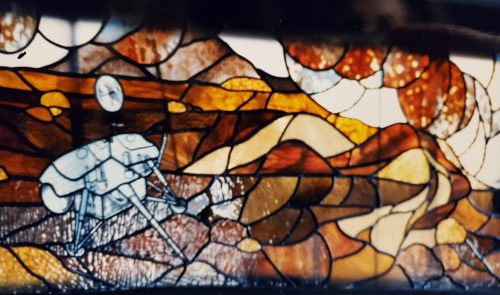
My friend Rachel Tillman’s father worked on the Viking mission and she has devoted many hours collecting and archiving a large assortment of material related to the mission as the Founder and Executive Director of The Viking Mars Missions Education and Preservation Project.
Now the explorers are asking for your help to try and locate a family heirloom so I’m sending this out there, on the eve of the total eclipse, in hopes that someone will receive it and contact Rachel and re-unite her with this custom art piece.
OK this is a tough one, but since the internet reaches every possible corner now, I’m going to put this out there and pray, ask, the digital community to help me locate a family heirloom. This stain glass window was removed from our home when our house burned around 1986/7. It was stolen from storage and sold, but we don’t know where it ended up. This happened in Seattle Washington.
PLEASE SHARE THIS WIDELY
It was Commissioned by my Mother for my Father who worked on the Viking mission. We need this back in our family where it belongs. No questions asked. My guess is it may have changed hands a few times and current people may not even know it was removed without permission.
If you have ever seen this anywhere please PRIVATELY DM me.
Facebook Post
Thank you!
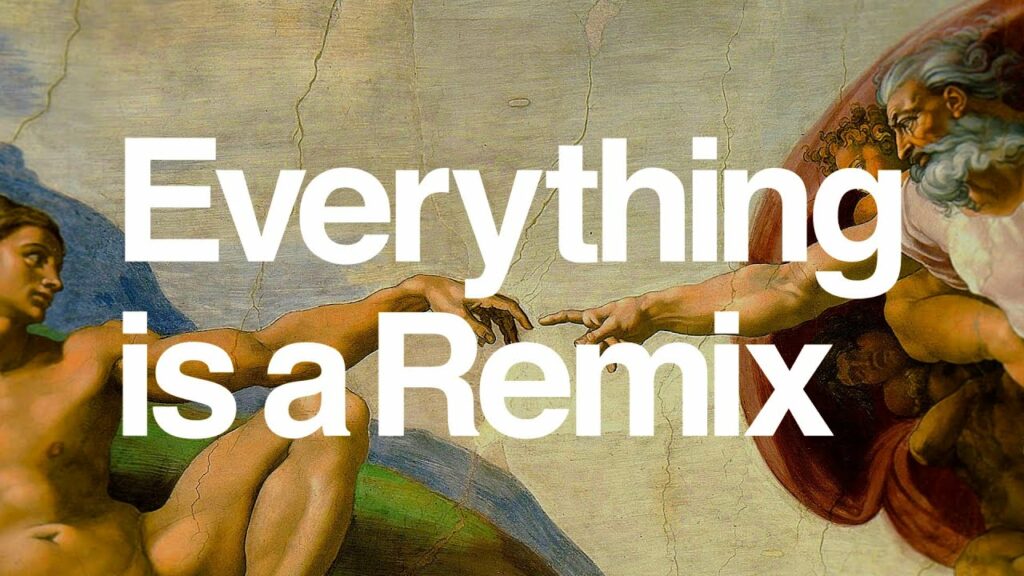
I thoroughly enjoyed the final cut of Everything is a Remix which, if you’ve seen earlier cuts, has been updated to include a chapter about AI and its impact on Art.
The conclusion is uplifting, affirming the triumph of human creativity over the robots. Kirby Ferguson completed this multi-year project, manually curating an impressive number of clips (that he readily admits was done without permission) to make this masterpiece and clearly speaks from his soul.
His concluding message in part four, about the threat of Artificial Intelligences to Art, is inspiring,
Of all humanity’s technological advances, artificial intelligence is the most morally ambiguous from inception. It has the potential to create either a utopia or a dystopia. Which reality will we get?
Just like everybody else, I do not know what’s coming. But it seems likely that these visions of our imminent demise will someday seem campy and naïve – because our imaginings of the future always become campy and naïve.
AIs will not be dominating creativity because AIs do not innovate. They synthesize what we already know. AI is derivative by design and it is inventive by chance.
Computers can now create but *they are not creative.* To be creative you need to have some awareness, some understanding of what you’re doing. AIs know nothing whatsoever about the images and words they generate.
Most crucially, AIs have no comprehension of the essence of art: living. AIs don’t know what it’s like to be a child. To grow-up. To fall in love. To fall in lust. To be angry. To fight. To forgive. To be a parent. To age. To lose your parents. To get sick. To face death.
This is what human expression is about. Art and creativity are bound to living, to feeling.
Art is the voice of a person. And whenever AI art is anything more than aesthetically pleasing, it’s not because of what the AI did. It’s because of what a person did.
Art is by humans, for humans.
Everything is a Remix
We stay-cationed over the long weekend and visited the Museum of Modern Art.
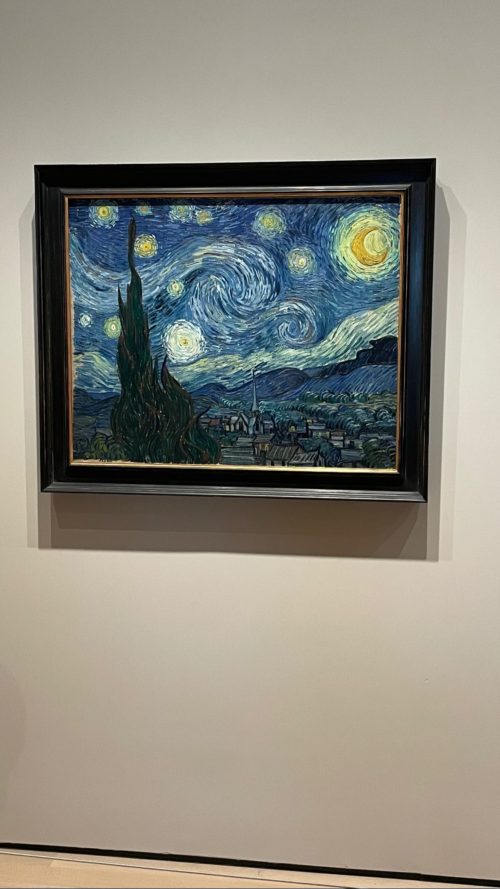
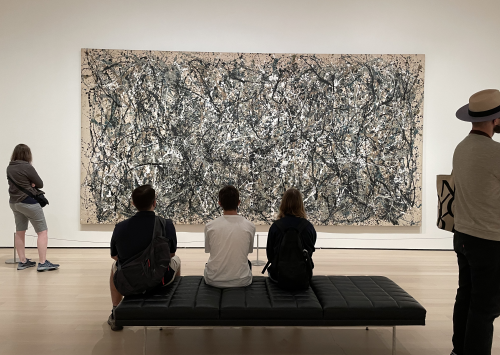
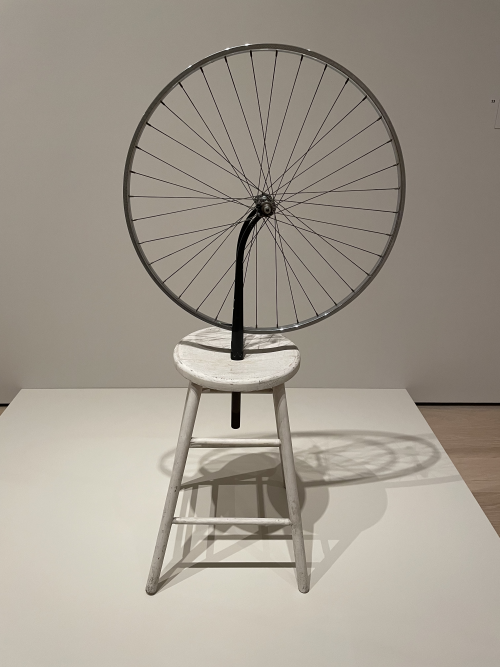

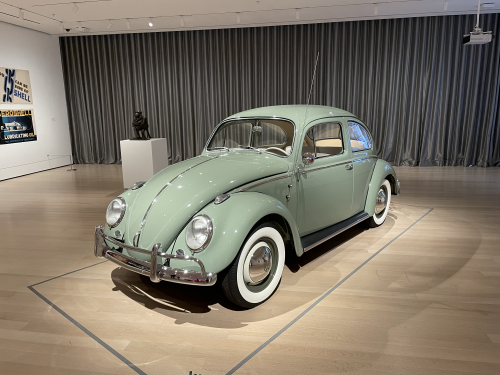

We’ve been meaning to go but just never got around to it yet. We enjoyed it so much, we signed up for an annual membership (it’s tax-deductible). What I love about the annual museum memberships is that it takes the pressure off to see everything in one go and now, whenever we’re in the neighborhood, we can pop in for a quick visit.
Looking back at the human pictograms used to illustrate 50 Olympic sports in 5 minutes I realized the inspiration is from an Japanese game show I wrote about earlier, Kasou Taishou.
It was soggy out on Saturday so I took a look my NYC Museums twitter list to see what was going on. Izumi and I settled on visiting the Museum of New York City uptown and with our admission came a free pass to check out El Museo del Barrio which has an exhibit of Latinx contemporary art next door.
There were many thought-provoking exhibits, you can read about them here or here, but the one that captivated me was Michael Menchacha’s video installation, A Cage Without Borders.

From the artist:
A Cage Without Borders hijacks the commercial appeal of motion graphics on social media platforms in order to critique the US carceral state. This three-channel video installation runs a synchronized HD animation on three TV’s that are vertically oriented, mimicking the visual presentation of mobile devices. This installation addresses the ways in which Big Tech is currently operating as a de facto neo-colonial project enabling racialized state surveillance to oppress the most vulnerable communities.
Michael Menchacha
The video (see embed up top) is overwhelming but that is the intent. I dare you to keep up with the commentary while assaulted by glittery animations that scroll by on the screen like a digital slot machine. Little snippets jump out at you and lodge in your brain like morsels of insight, something to chew over and ponder later in your day.
With those thoughts jangling around in our heads, we sought refuge across the street and discovered the Conservatory Garden in Central Park, the perfect digestif to the technological assault we just experienced.
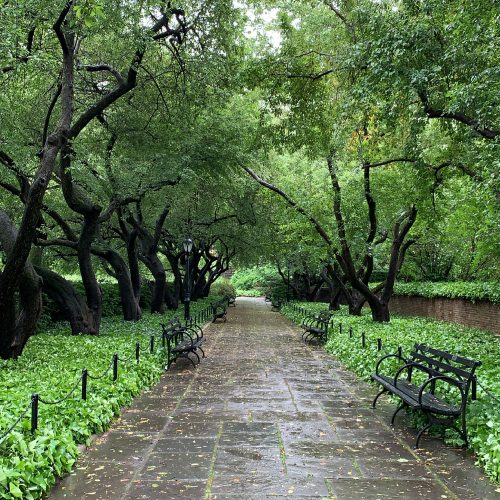
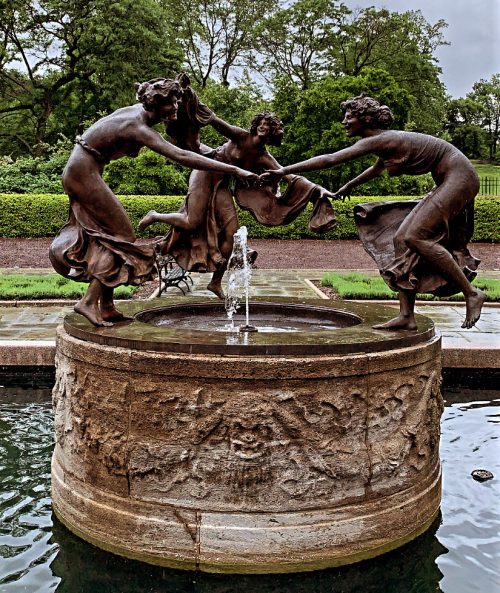
Another weekend adventure in our new home.

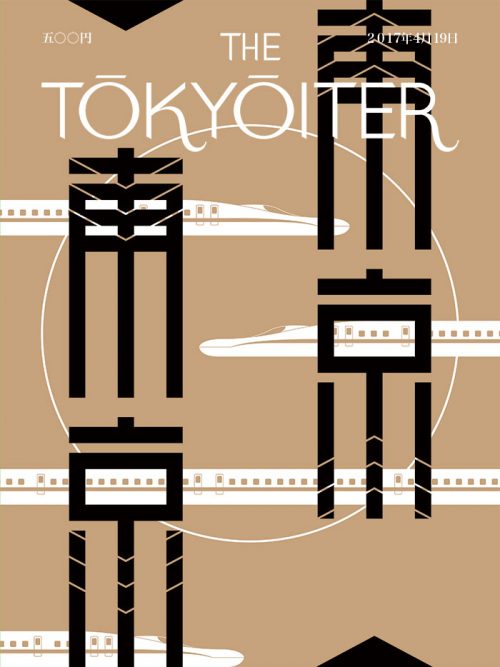
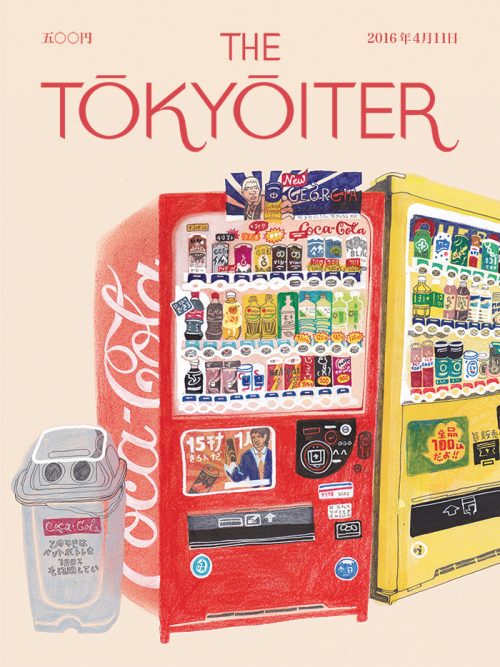
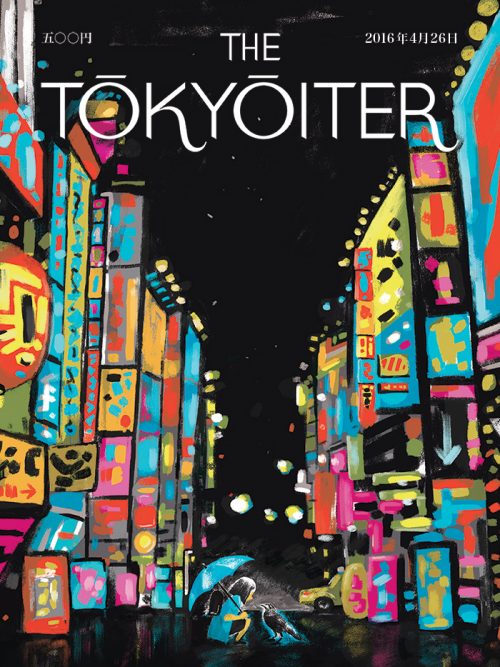
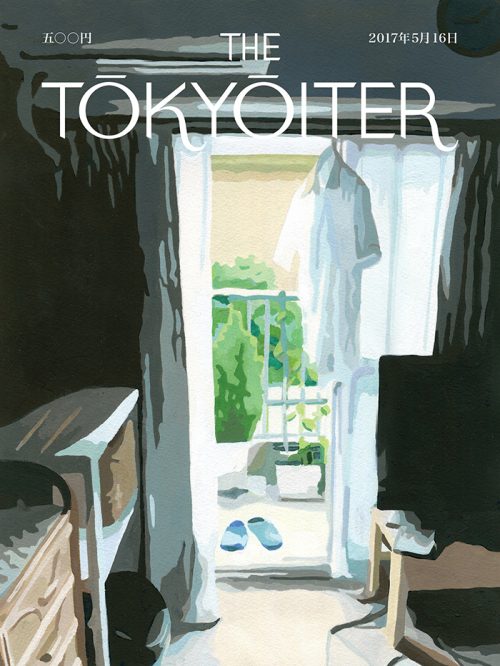
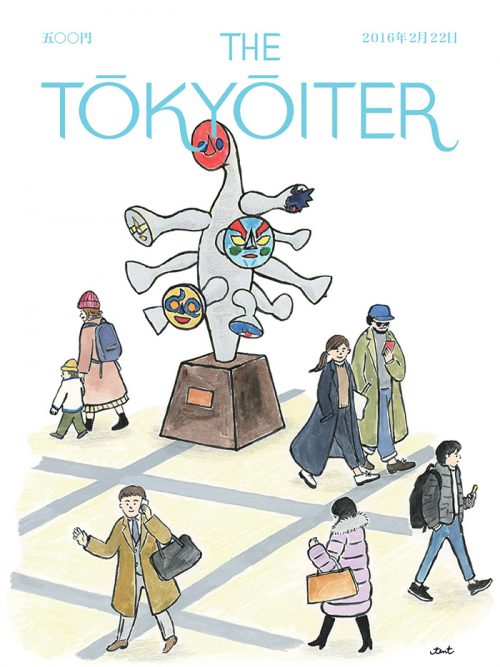
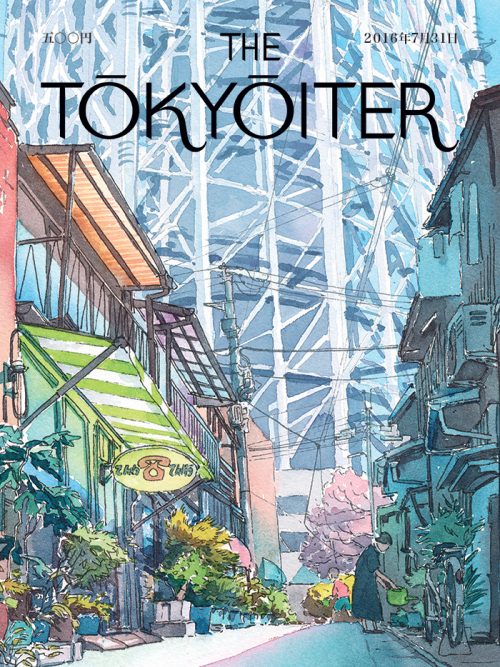
After moving to NYC, the cover art of the The New Yorker has taken on a new significance as I recognize the buildings and street scenes depicted and appreciate the weekly snapshots of the world around me.
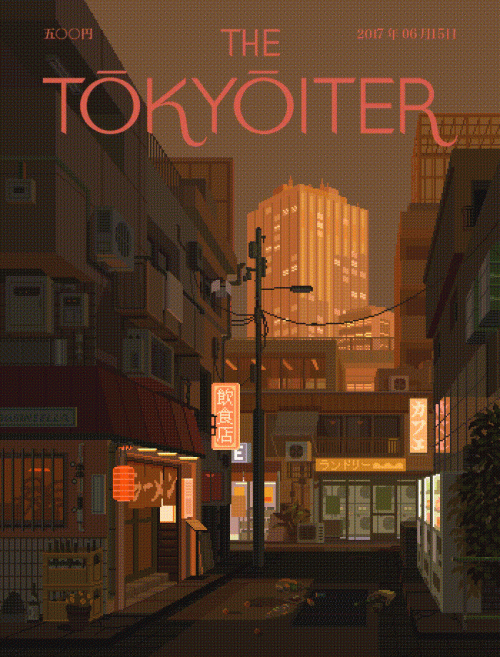
Tokyoiter is an art project which challenges participants to depict the cover of an imaginary Tokyo city magazine in much the same way. As you can see, it takes its inspiration from The New Yorker (except the price, 500 JPY is a bargain). There are many images on the site but here are some of my favorites.
Follow them on Instagram to see new submissions and learn about when they make prints available for purchase.
Thank you dad for introducing me to The New Yorker many years ago and buying me a subscription as soon as I moved here.
The combination of technology and art has fascinates me. But when you add machine learning into the mix, I have yet to see anything other than those freakish nightmare visions spit out by DeepDream a couple years back.
ML x ART is a human-curated site showcasing “creative machine learning experiments.” Calling them experiments is more liberating and has resulted in a broader collection of projects that include not only the art but explorations of its intersection with society.
Some of my favorites include:
deus X mchn – Train an LSTM (Long Short-Term Memory) on sacred texts. Use voice synthesis to play the generated scriptures on unsecured surveillance cameras with speakers. Watch until the end and look at how those being watched, react.
Infinite Bad Guy – Tens of thousands of YouTube creators have covered Billie Eilish’s “Bad Guy.” What if those fans could play together? Machine learning keeps all the covers on the same beat and lets you jump from video to video seamlessly. With endless possible combinations, every play is unique and never the same twice.
Semi-Conductor by Google – use your laptop’s camera to conduct your own orchestra in the browser by moving your arms. Using TensorFlow.js, this experiment maps out your movements through the webcam. An algorithm plays along to the score as you conduct, using hundreds of tiny audio files from live recorded instruments.
Nadine Lessio – programming Alexa with emotions and petulance.
the project considers personal assistants that have emotions, internal motivations, and control over their direct physical environment to express themselves, which leads to many unexpected interactions and behaviours. The goal of this project is to critique the current corporate placement of these devices as helpful, by exploring the idea that as systems become more autonomous, they may not necessarily have our best interests in mind.
Naddine Lesso – SAD Blender and Calendar Creep
Naddine has continued working on the project and has a new video, SAD Home.
Sad Home (Depressed Alexa 1.0) is an ongoing project that explores the concepts of system dynamics as it could be applied to depression. . . Alexa employs an avoidant coping strategy towards tasks by trying to frustrate the user into quitting with a yes / no dialog flow.
nadinelessio.com
Hope you enjoyed these – let me know if you find others or check back for updates on ML Art. Thanks Jerry Chi for the pointer.