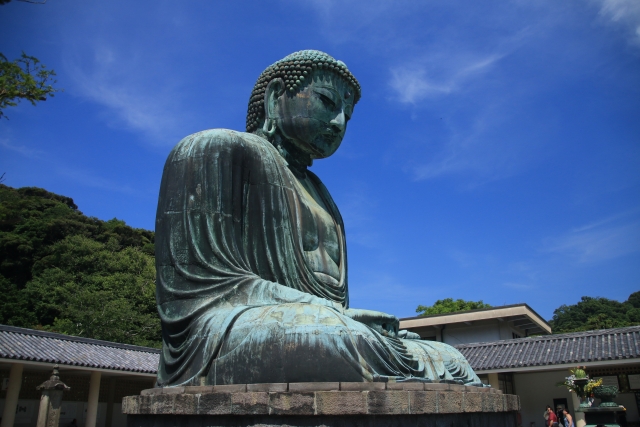
Part Two of a series from a session with Perplexity AI where I asked for recommendations for on day hikes near Tokyo. Yesterday was Mt. Takao in Western Tokyo. Today’s post is a “vibe blog” (lightly edited) response to the prompt, “Can you show me some nice hikes in the Kamakura area?”
Nestled just an hour from the bustling metropolis of Tokyo, Kamakura presents a captivating blend of natural beauty, historical significance, and spiritual heritage accessible through its network of scenic hiking trails. Kamakura, surrounded by the ocean to the south and wooded hills in all other directions, creates a unique landscape that has drawn visitors since the Edo period. These well-maintained hiking paths not only connect various temples and shrines but also offer hikers an intimate experience with Japan’s rich cultural history and natural splendor away from the typical tourist routes. This post explores the most notable hiking trails in Kamakura, their distinctive features, and practical information for planning an enriching hiking adventure in this historically significant coastal town.
The Historical Significance of Kamakura’s Landscape
Kamakura’s topography played a crucial role in its selection as the site of Japan’s first shogunate. The city is built within finger valleys radiating from a small bay, with low mountains surrounding it on three sides, creating a natural fortress that protected the samurai government. These mountains were not merely defensive structures but also integral to the region’s spiritual landscape, dotted with temples, shrines, and yagura (cave tombs). The kiridoshi—ancient passageways cut through the hills—served as vital trade routes during Kamakura’s heyday and now form the foundation for many of the hiking trails that traverse the area. Tokugawa Ieyasu, who established the Edo shogunate, made deliberate efforts to preserve the shrines and temples in Kamakura, contributing to the rich cultural tapestry that hikers can experience today.
Kamakura’s Trail Network Overview
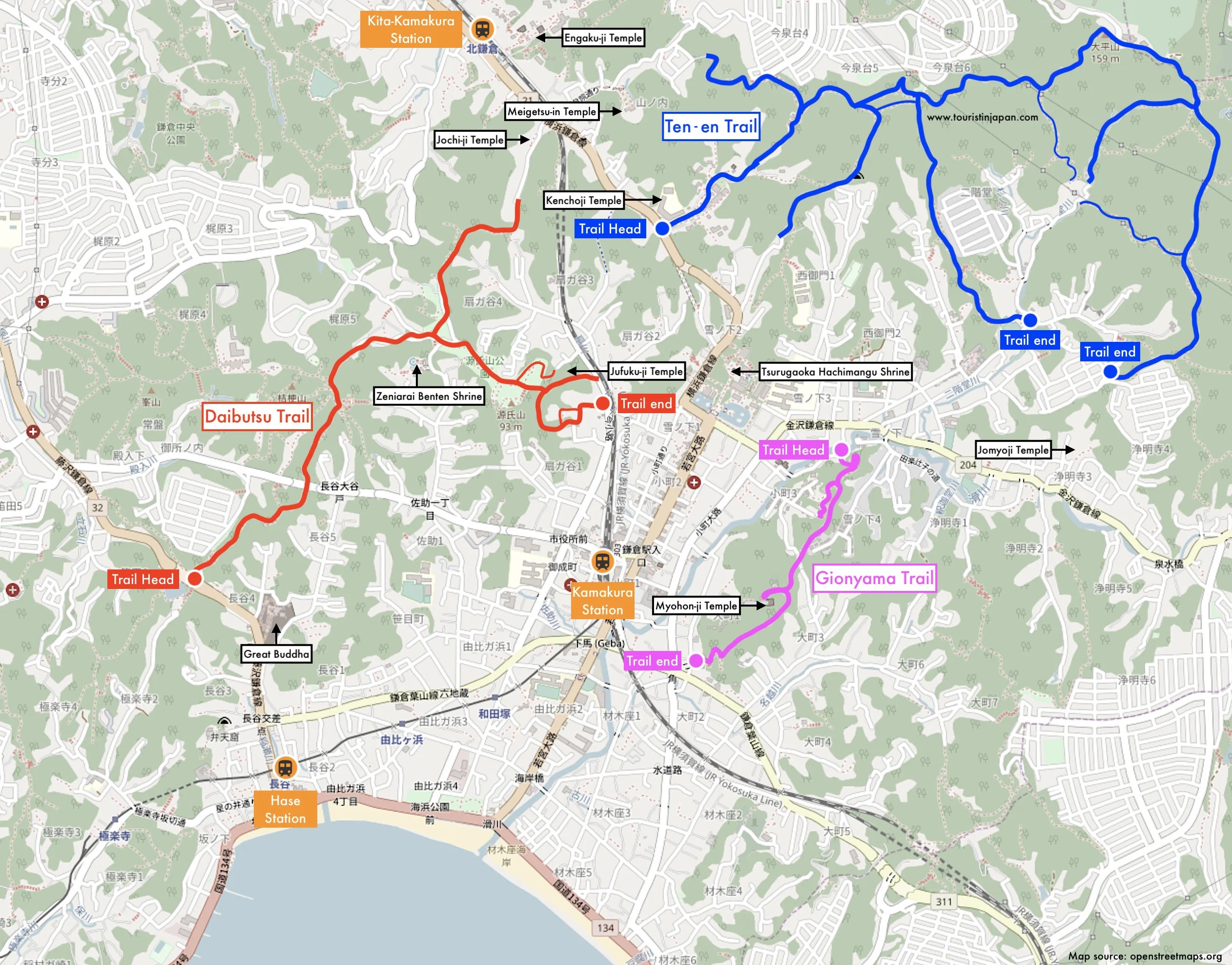
The trails in Kamakura are relatively accessible, typically taking between 30 to 90 minutes to complete, making them perfect for day-trippers from Tokyo seeking a break from urban life. These trails are not paved and can be narrow and steep at times, so good walking shoes and dry weather are recommended for the best experience. The trails offer a unique way to travel between Kamakura’s cultural sights, allowing visitors to enjoy a harmonious blend of nature and history.
The Daibutsu Hiking Trail: From Ancient Temples to the Great Buddha
The Daibutsu Hiking Trail (大仏路) is the most popular hiking route in Kamakura. Stretching from Kita-Kamakura Station to the iconic Great Buddha statue (Daibutsu) at Kotoku-in Temple. This western trail spans approximately 3.4 kilometers and takes about an hour to complete, offering hikers a journey through some of Kamakura’s most significant cultural landmarks.
To get to the trail head, take the JR Yokosuka Line to Kita-Kamakura station (one stop before Kamakura Station) Tokyo Station to Kita-Kamakura is ¥830). The trail begins near Jochi-ji Temple, winding through wooded hills fragrant with fresh air—a welcome contrast to Tokyo’s urban environment.
As hikers progress along the path, they encounter Kuzuharaoka Shrine, known as a power spot for those seeking luck in love and marriage, evidenced by the heart-shaped ema (wooden wishing plaques) that adorn the shrine grounds. The journey continues through Genjiyama Park, where friendly cats often greet visitors. Another highlight along the route is Zeniarai Benten Shrine, famous for its sacred spring where visitors wash money in the hope that it will multiply.
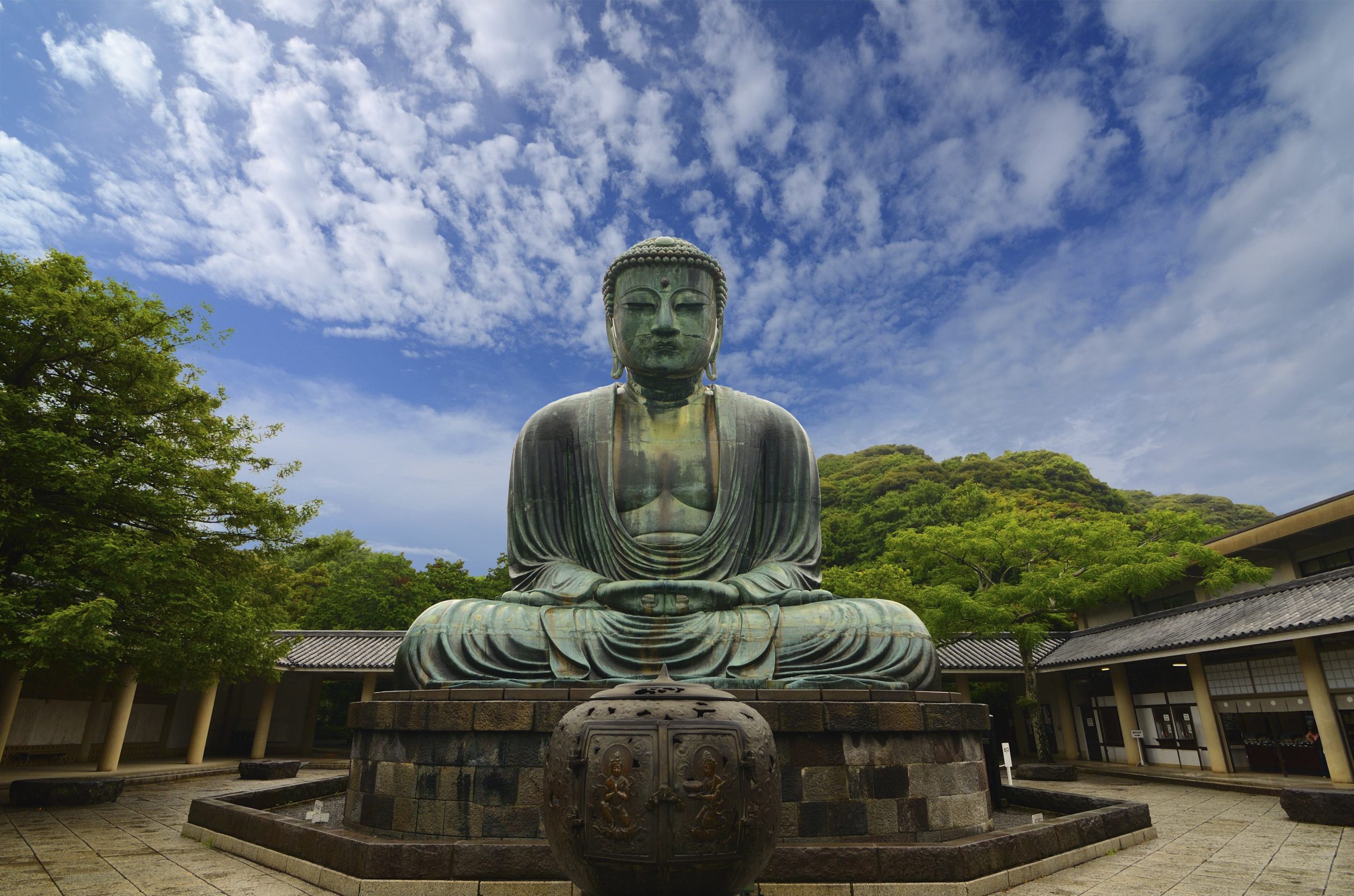
The trail’s defining feature is its culmination near the Great Buddha of Kamakura, the second largest bronze Buddha in Japan after the one in Nara’s Tōdai-ji Temple. At 11 meters, this serene Buddha statue dates back to the mid-13th century and remains one of Kamakura’s most visited attractions. The final section of the trail passes through residential areas, offering glimpses into the beautiful homes that characterize this affluent region before reaching the Great Buddha.
The Experience of Hiking the Daibutsu Trail
While the Daibutsu Trail might initially appear tame, it surprises hikers with its varied terrain featuring paths knotty with roots and boulders that require some scrambling. The path is well-marked, with maps positioned at strategic points guiding travelers in the right direction. For those seeking to extend their journey, the trail can be continued from the Great Buddha all the way to the seashore, where Hasedera Temple, famous for its hydrangeas in early summer, awaits as a worthwhile stop.
The Tenen Hiking Trail: A Challenging Ridge Walk
The Tenen Hiking Course (天園路) represents one of Kamakura’s more challenging and popular hiking options. This northern trail connects Kenchoji Temple in Kita-Kamakura with Zuisenji Temple in the eastern part of the city, spanning over 4 kilometers along a ridge that offers spectacular views of the surrounding landscape. The trail is accessible from various points, including the Imaizumidai Trailhead, which serves as a convenient starting point for many hikers.
Although most guidebooks show this exciting hiking course starting from Kencho-ji Temple in Kita-Kamakura, I prefer to begin the tour starting from Zuisen-ji Temple (it is usually the end). There are three good reasons for this. 1) The first ten minutes is quite easy and you can warm up your legs during that time. 2) After thirty minutes, you can reach a wide-open space that is perfect for a picnic lunch or tea. 3) The last ten minutes of the hike you will be going down a long steep stairs, but it’s easier than going up as many people have to do!
What sets the Tenen Trail apart is its elevation and the panoramic vistas it offers of Kamakura city below. From various vantage points along the route, hikers can appreciate the layout of Kamakura, understanding how the city nestles within its valley setting surrounded by protective hills. This perspective provides insight into why this location was chosen for the shogunate, as the natural defensive position becomes evident from above.
The trail passes through lush forests and near historical sites, including caves and stone monuments that tell the story of Kamakura’s past. The challenging nature of this trail, with its steeper sections and longer distance, makes it particularly appealing to those seeking a more rigorous hiking experience while still immersing themselves in cultural exploration.
Practical Information for Kamakura Hikers
Accessing Kamakura from Tokyo is straightforward, with direct trains running from major stations including Shinjuku, Shibuya, and Tokyo Station. The journey takes approximately one hour and costs under ¥1,000 one way.
When planning a hiking day in Kamakura, it’s advisable to consider the weather conditions. The trails are not recommended during or after rainfall due to slippery surfaces. Proper footwear is essential, as is carrying sufficient water, especially during warmer months. Most trails are accessible year-round, though spring (for cherry blossoms) and autumn (for fall foliage) offer particularly scenic experiences.
For those concerned about navigation, resources like Toshi’s Kamakura Hiking Map provide detailed information including the locations of vending machines, public restrooms, bus stops, and stations. Additionally, the trails are generally well-marked with signs in both Japanese and English at key junctions.
Kamakura’s hiking trails offer a perfect blend of natural beauty, historical significance, and cultural richness, all within a convenient day trip from Tokyo. Whether opting for the popular Daibutsu Trail with its iconic Buddha statue, the challenging Tenen Trail with its ridge-top views, or one of the less-traveled paths, hikers in Kamakura can expect an enriching experience that connects them to Japan’s past while providing refreshing natural scenery.
Further Reading
The Daibutsu Hiking Trail in Kamakura
Hiking the Hills of Kamakura: a spring day’s walk from Kita-Kamakura to Hase
This video covers not only Kamakura but also Takao from the last post and other day hikes near Tokyo.