My father moved our family to Tokyo in 1978. As a local, he had a great run sharing his observations of Japanese culture from a Western perspective in a collection of of essays collected in a now out-of-print book, Home Sweet Tokyo.
Here’s his take on the Japanese culture of gift-giving.
It is curious that in a society as dedicated to sweetness and harmony as that of Japan, a tradition as potentially disruptive as the ritual giving of gifts has been allowed to flourish. People don’t talk much about the consequences of indiscriminate gift giving for fear of being seen as mean, but it is clear that in Japan gifts are launched as missiles, serving, if rightly chosen, to stun the recipient, or as least to nudge him or her off balance.
As gift giving proliferates, it tends to be taken for granted, and so to achieve its purpose of impressing the other fellow with the giver’s scarcely controllable generosity, the preferred gift has to be seen to be twice as magnificent as any sane person would deem reasonable.
In this way the ante escalates. If I give you a cheap souvenir teaspoon stamped “Shizuoka, counterpunch with a packet of fine tea. I fight back with an antique teapot; you ambush me with a round trip for two to a luxury hotel on the grounds of a Sri Lankan tea plantation. I, panicking, present you with a one-third interest in Twinings… and so on until we are both bankrupt.
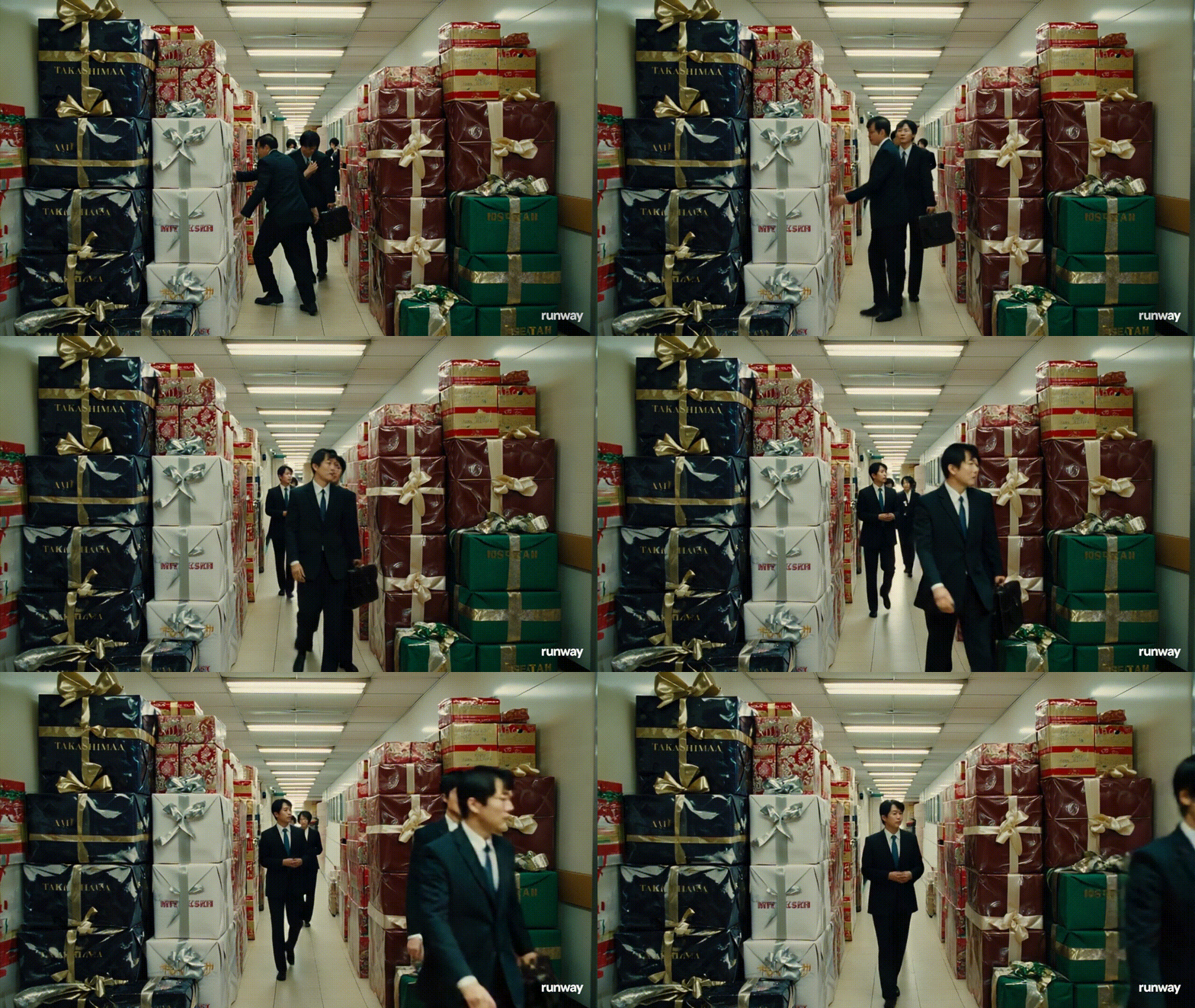
In Tokyo this annual escalation of gifts given takes place between companies who do business together: one company one year giving its client company ten cases of beer, the next twenty, the next forty, until all corridors, closets, washrooms, and space at the back of the recipient company’s garage are filled with brightly wrapped packages from Mitsukoshi Department Store. At the end of the gift-giving season, the employees of both companies thus locked in gift-giving combat must hire trucks to cart away their share of the bounty, wanted or not, to their own homes and garages.
At a higher level, the presidents of the companies involved will exchange exquisite lacquer boxes, larger ones every year, each requiring the attention of a master craftsman for several months and costing millions of yen. It is said that the hills outside Kyoto are heavily populated with subtle geniuses whose sole occupation is the crafting of fine lacquer boxes destined to be presented by the heads of Japanese industry to each other during the annual gift-giving seasons of o-chugen in the summer and o-seibo in the winter.
Escape from the gift-giving plague is impossible. On every train platform, boxes of the local specialty-pickles, bean cakes, rice cakes, fish cakes, twirligigs – are dutifully purchased by travelers (although they may only have gone overnight to Osaka to visit an aged aunt) to be taken back and presented to fellow office workers and neighbors as a gesture of their enduring concern.
The constant flow of gifts keeps the Japanese economy purring and out in front of the unsupercharged economies of nations that don’t indulge in frenzied gift giving. A good 15 percent of the revenue of the average department store is generated by gifts: boxes of bars of soap, cans of soup, tins of salad oil and pressed seaweed, matched bottles of wine and whiskey and 100-percent orange juice, and hampers of exotic foreign delicacies – a truly prodigious prodigality, as if to make up for the shameful thriftiness of the rest of the year.
Perhaps, though, this gift-giving reflex could be put to good use.
One hears that the American public continues to be concerned that they are buying more Japanese goods than Japanese consumers are buying American goods. Some Americans are evidentily itchier than ever about the trade imbalance and have convinced themselves that behind it all there lurks some great brooding conspiracy.
Would not an appropriate gift serve to ease the tension? Why don’t the Japanese people simply present the American people with a massive present, perhaps a video game or a motor scooter for everyone, or a new national railroad system (staffed by supernumerary JR railroad men), or maybe, because after all it is the thought that counts, an enormous lacquer box?
15 years ago a friend asked me for tips on what to do in Tokyo. I’ve updated the post a few times with new information but never shared anything about where to stay and what to eat so here’s text lifted from a long message to another friend.
Where to Stay
Old Tokyo
I like Yanaka in eastern Tokyo. This area was not bombed during the war so many of the old buildings and temples remain. I used to live there and enjoyed having good access to downtown but still retreat to a neighborhood when you want to decompress. For visitors, it’s a more authentic Japanese experience than the hustle, bustle and glitz of Ginza or Shibuya.
I recently went back to visit and now it’s been rediscovered as a nostalgic neighborhood and has transformed a bit like Williamsburg in New York.
There’s a family-run inn in the neighborhood that’s still there. I’ve never stayed there but imagine it’s a bit like a backpacking experience. You’ll definitely meet other travelers that might be fun to hang out if you’re traveling solo.
When I worked at SmartNews and traveled to Tokyo every couple of months, I would stay at the Shibuya Dormy Inn. The rooms are tiny but they have a large shared bath & sauna and the breakfast buffet is a good deal. Location-wise you’ll be a 15-minute walk from Shibuya station so if you go out late, it’s a cheap cab ride home. Stay here if you want to be in the thick of it. Pro-tip, ask for a room away from the train tracks which run right next to the hotel.
Tokyo is like NYC in that there is anything you want and the baseline quality isn’t bad. If you know what you want and plan ahead, you will have access to some truly unique dining experiences. Off the top of my head, here are some places to try.
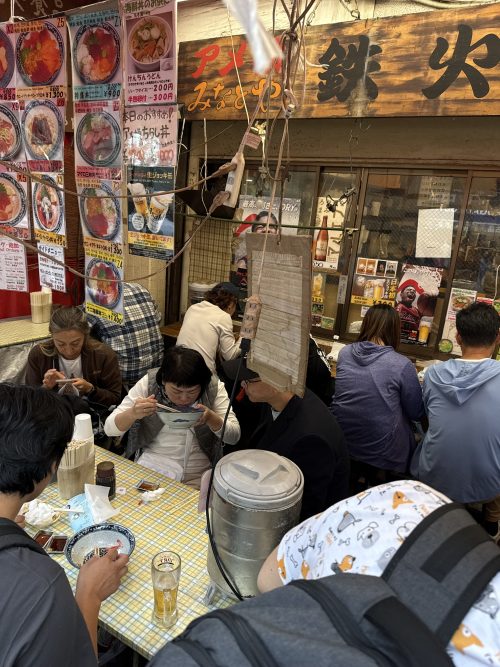
Minatoya – cheap sushi-don under the tracks. The whole neighborhood was where the black market was after the war and still is a neighborhood full of niche shops selling their wares at a discount. After visiting the rabbit warren of shops, be sure to stop by here for your requisite $8 lunch.
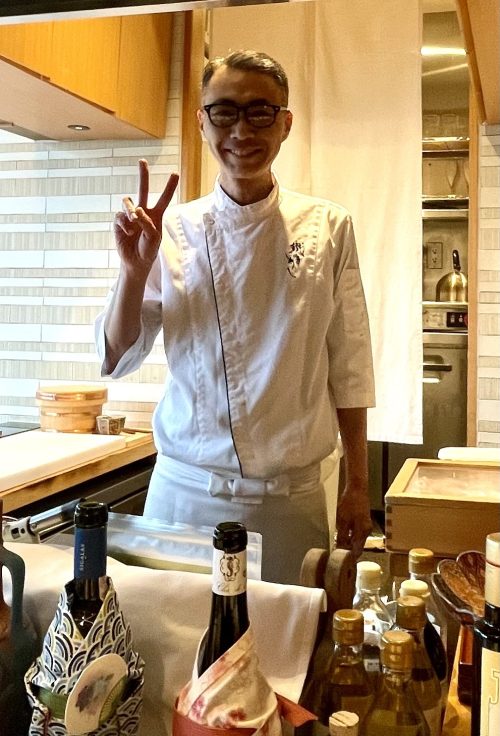
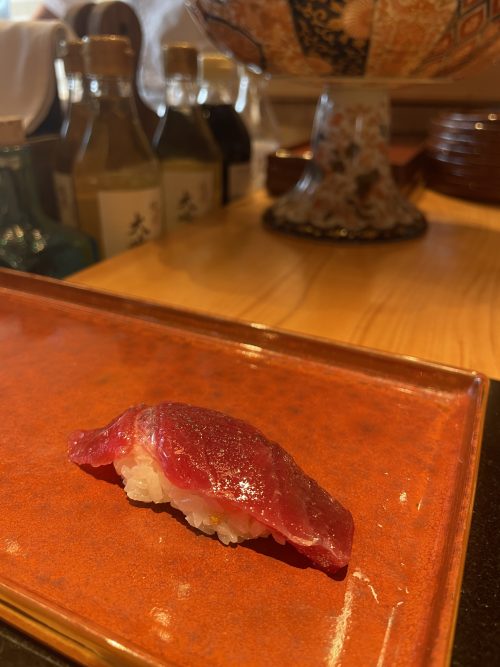
Bayside Sakura Olion-sushi – if you’re looking for a different take on sushi, this place pairs olive oils and salts with their fish to serve a somewhat hybrid meal. The chef trained in Southern Europe (Spain I think) so came to appreciate the Mediterranean way of eating and fused that with traditional Japanese sushi. High end eating but well worth it.
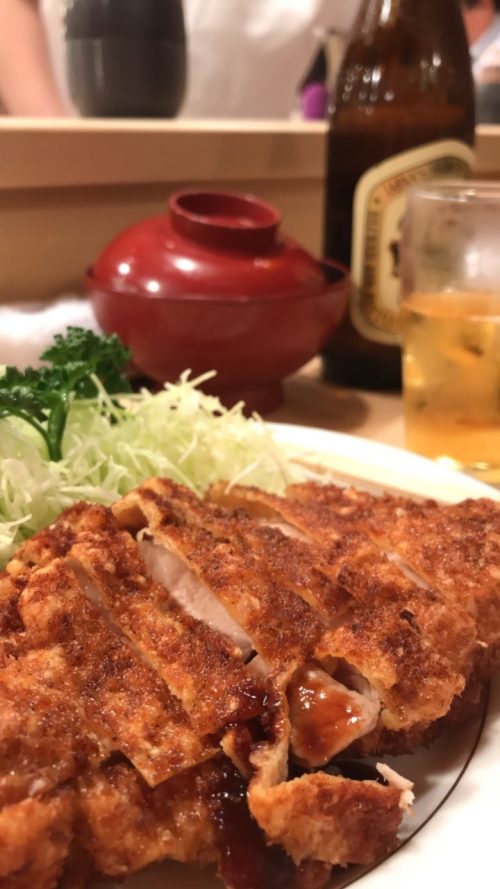
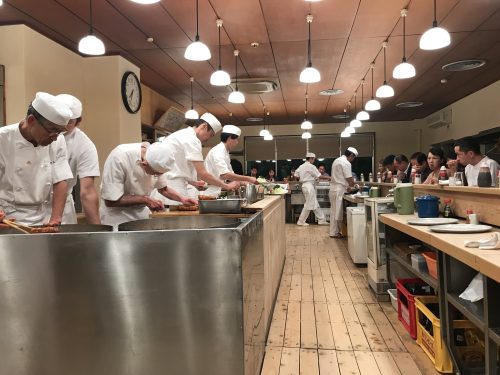
Tonki – Fried pork cutlet is not for everyone but if you want to try the best Tonkatsu in the world, this is the spot. The place is immaculate and they run people through there like it’s a factory. You’ll get to sit at the counter and watch the open kitchen work in quiet efficiency. The rice is fluffy, the sliced cabbage is sweet and the roast pork done to perfection. Truly a temple to the pork cutlet.
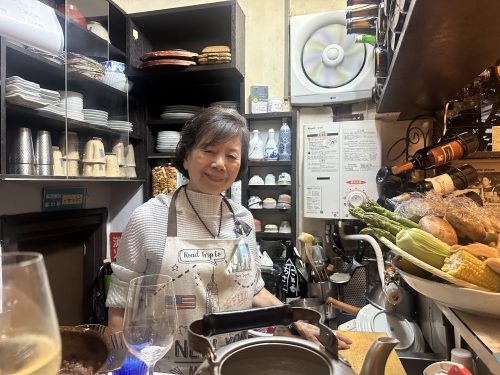
Enoki – Tiny Japanese bar that seats 6 in the shadow of the skyscrapers of Shibuya. I have been going here since the 80s (Enoki was in my post 15 years ago) so Chizuru, the proprietor has know me since I was in my twenties. It’s super hard to get in so if you want to go, call a day or two ahead.
Tokyo is a city that gives more than it takes. If you go in with an unstructured schedule with only one or two things to do each day and leave yourself plenty of time to poke around surrounding neighborhoods and open yourself to sidebar explorations, you will be amazed at what you’ll find.
Be observant, marvel at the intricate designs on the manhole covers, see a line of folks at a sweet treat shop? Queue up and try it out. Ask questions, have conversations, connect with humanity and celebrate what brings us together.
I was just back there last month to visit my parents to celebrate my dad’s 90th. While I spent most of my time with my parents, I did manage a couple of focused days out and caught a whiff of that Tokyo magic. Here’s what I did.
It’s been said that Tokyo is Disneyland for adults. If you approach the city with a beginner’s mind the city will reward you many times over.
I’m back in Tokyo visiting with my parents (who have been living here since 1978!) and while I spent most of my time visiting with them, I did go out a few days just to poke around. Here’s what happened on one of those days.
On Tyler’s recommendation, I went to the Tokyo City Flea Market, held on Saturday from 9 – 2 pm down by the Kawasaki horse racing track. Like most large flea markets it was mostly vintage clothing and collectables but there was some cool finds such this game my sister and I used to play.
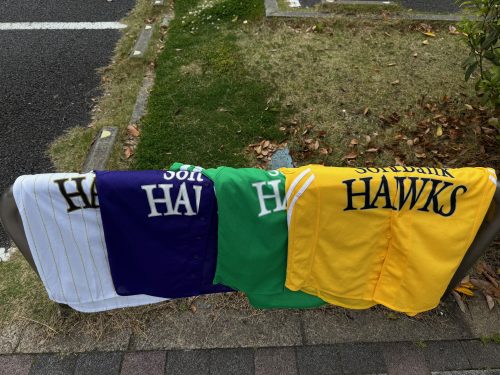
I also found a guy selling cheap, Japanese baseball jerseys and managed to buy an assortment of Softbank Hawks jerseys for the family. We can wear them at a Mets game in honor of Kodai Senga, their new Japanese pitcher who used to play for the Hawks
500 JPY ($3.50) each, not a bad haul!
I then went to Akihabara to check out the latest gadgets. I spent some time in the main Bic Camera branch playing Japanese Go against a robot. I lost all five times.
I then walked up to Okachimachi to wander around the warren of shops tucked in under the tracks. This area was a huge black market region after the war and it retains the feeling of a place where you can strike a bargin. I visited Minatoya, a great place for a donburi bowl topped with sushi.
1,200 JPY ($8.50) for the lot (yes, including the beer!)
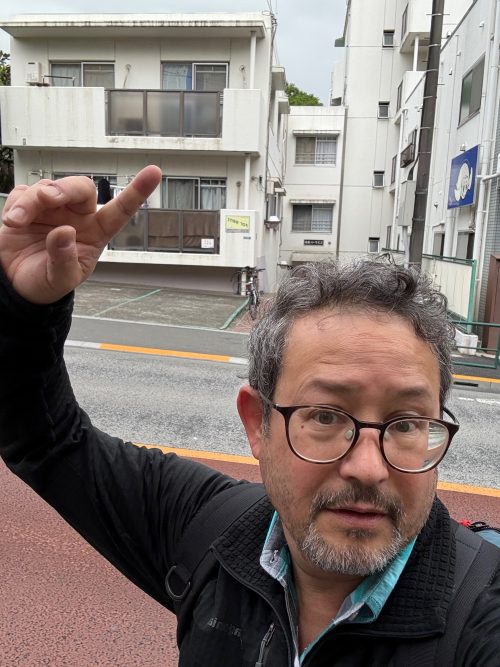
From there I punched through Ueno park to my old neighborhood in Yanaka to visit my old apartment.
Doesn’t look like much but Nezu/Nippori is one of my favorite neighborhoods in Tokyo
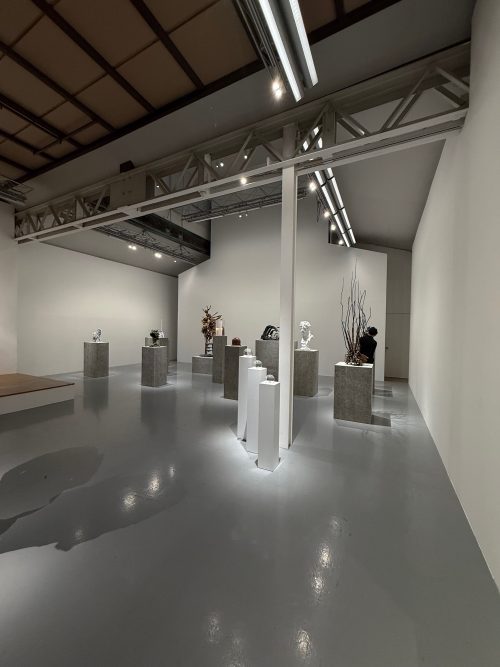
Around the corner is SCAI the Bathhouse. True story, when I just moved to the neighborhood, I went there when it was still a public bathhouse. As I entered, everyone was singing songs and greeting each others as if in a large family reunion. The atmosphere was unusually jovial for a public bath which is usually a reflective place where one goes to scrub down and soak up to your chin while gazing at Mount Fuji depicted on the tile wall. When I asked the proprietor if it’s usually this festive, she replied that that day was the last day in their 165-year existence as they were converting the structure to an art gallery!
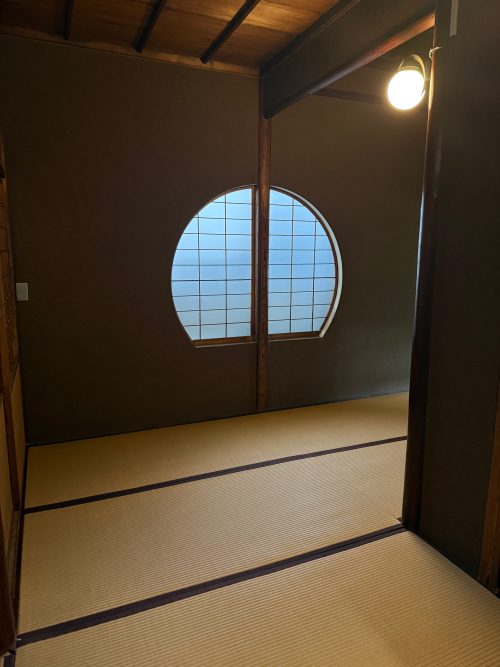
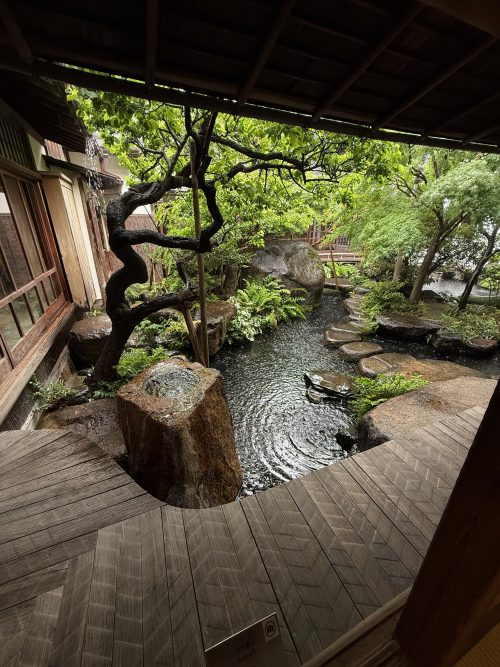
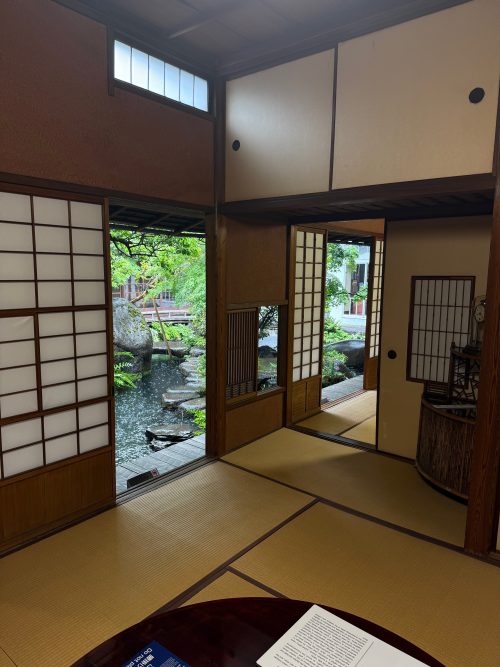
As I was walking the old neighborhood it started to rain so I ducked into another neighborhood favorite, the Asakura Museum. The home is unique in style with a wonderful blend of early 20th century Eastern and Western styles. I would often go just to gaze out on the beautiful garden and it’s amazing carp. The rain sprinkling drops on the water made it even more magical.
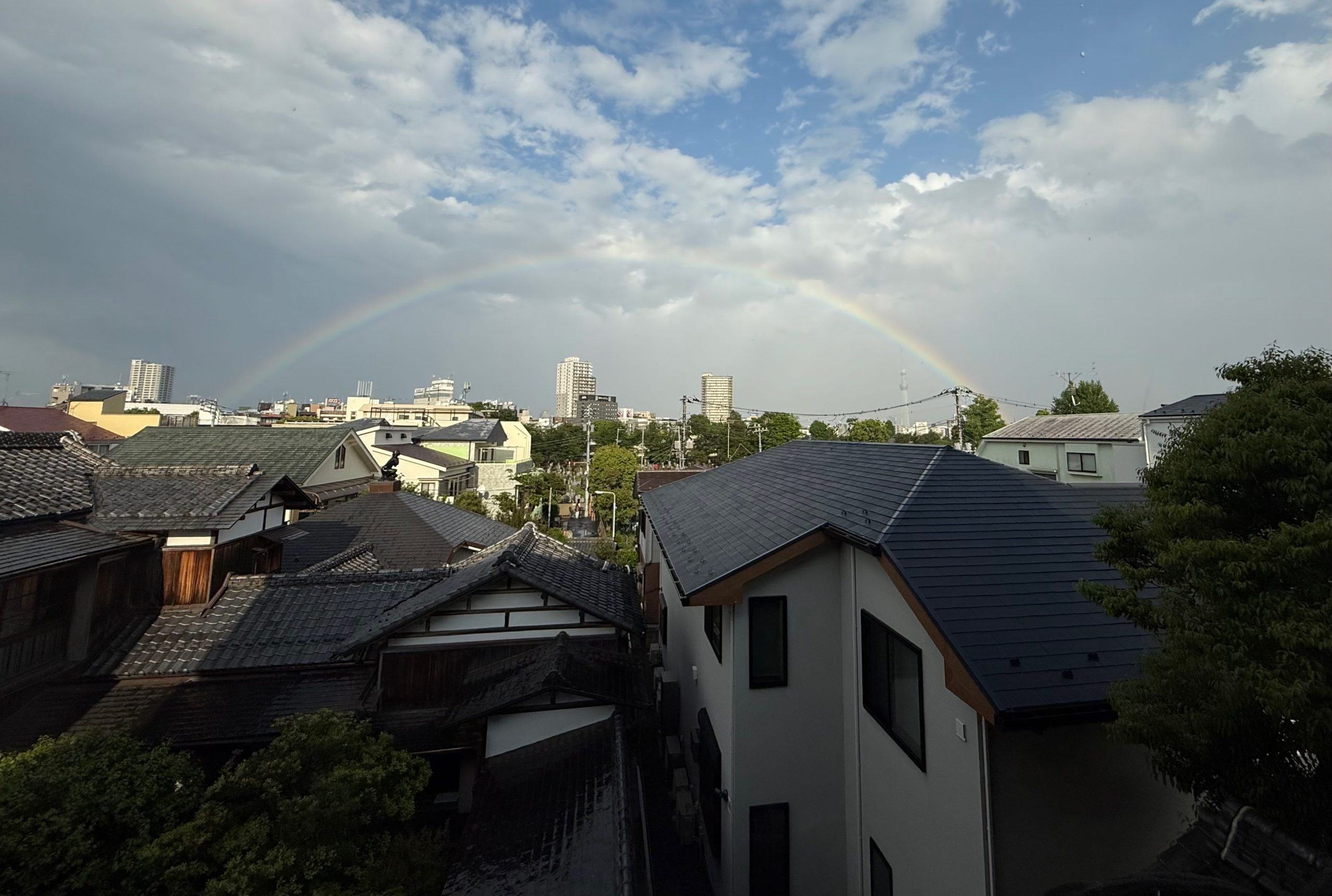
Later the rain cleared up and the ladies who run the museum let us know excitedly that we should make our way to the top floor to view the rainbow.
If you look carefully, you’ll see the Akasaka Sky Tree near the right base of the rainbow.
Next, I went to meet my sister at the Yanaka Ginza shopping street where we had a nice cup of coffee and then headed to meet my friend Yuji and his lovely wife Yumi at a local beer hall. Yuji and I met at a Grateful Dead concert in Oakland and when I moved to Japan he introduced me to the surfing culture as well as the downtown community spirit of shitamachi in the working class neighborhoods of Eastern Tokyo. After sampling their beer and light snacks, we headed to Asakusa for some monja, a local dish cooked over a teppan stove with copious amounts of beer and chu-hai.
Yuji makes the monja
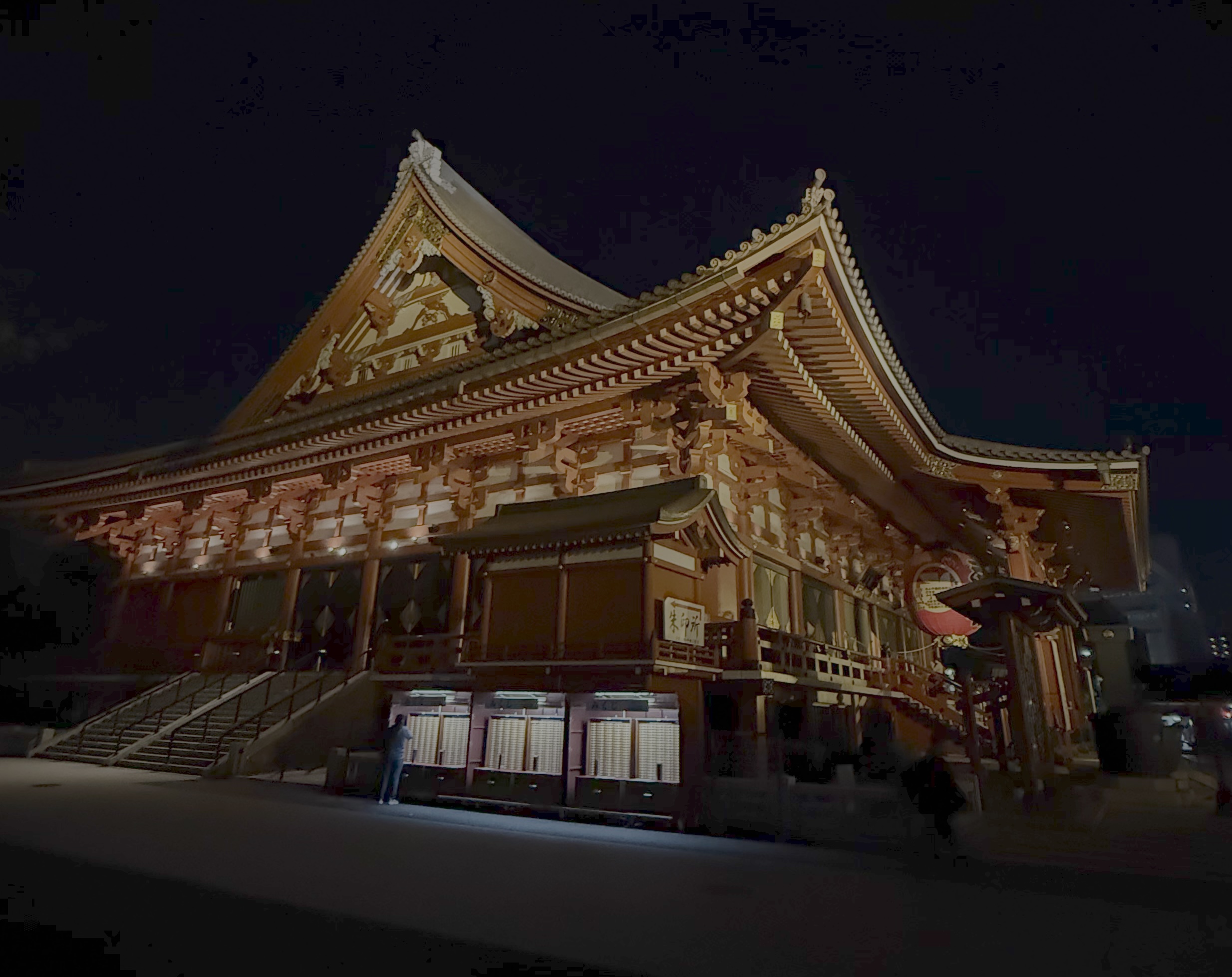
By then it was getting late so we walked through the Sensoji temple grounds which were mostly empty but lit up majestically.
Sensoji at night
By the time my sister and I got back to Hiyoshi station where my parents live, we had just enough time to grab “one more drink” so we looked for bar on Google Maps and were drawn to a place called Valhalla.
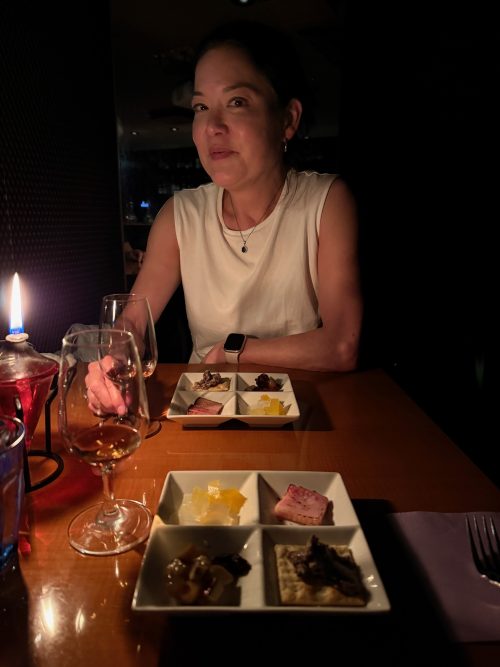
We stepped in timidly as it was dark and there was no one else in the place. Pink Floyd was playing gently on the hi-fi and the proprietor warmly welcomed us and motioned us to sit down. He brought an oil candle and the menu and we flipped around looking for the beer or chu-hai selections.
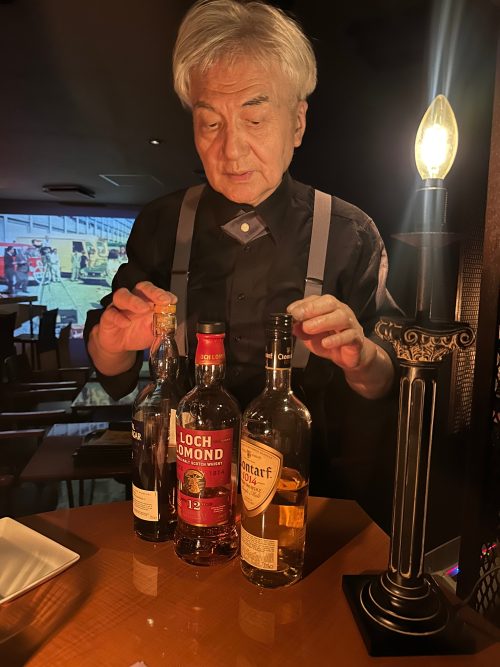
When he brought over light snacks and laid out a collection of cigars we asked what kind of bar we were in. It was clear from the many pages of single malt whiskeys listed, this was a place for serious drinking. The master said the cigars were for people who enjoy a smoke with their whiskey. As he was explaining all this, he frowned as my sister flipped to the cocktails page. When I asked for something “on the rocks” he looked at me as if I had asked for a mug of mulled wine. We were gently guided to the topic at hand. Were locked in, whiskey it will be.
The master instructsMy sister not sure what she’s in for
For the next hour, my sister and I were given a master class on single malts. Their history, the varieties, some of the distillers, and, most importantly, how to appreciate and drink properly. He wielded the sipping glasses as deftly as a magician. Vigorously swirling the liquor in the glass, the master instructed us to jam our nose in and take a deep inhale before taking a single drop. Notes of peanuts I think. Then he had us take a very small sip and then to smell again and note how the “nose” had changed. He later dipped a fork in some water and let a single drop fall into the whiskey and go through the whole process again. Completely different once again.
We were both amazed how a single drop of water could alter the entire experience. I could understand how he would be offended by anyone who would plunk an entire ice cube into his precious elixir!
After a second round of a different whiskey (we thought he’d cry if we left after only one) it was time to call it a night. Mie and I both laughed how, only in Tokyo, you could go from wolfing down monja and beers in shitamachi to finishing the night with an instructive tour of finer points of Scottish single malts. All completely unplanned and completely serendipitous.
When in Japan, things work out best if you surrender to the flow.
Part Two of a series from a session with Perplexity AI where I asked for recommendations for on day hikes near Tokyo. Yesterday was Mt. Takao in Western Tokyo. Today’s post is a “vibe blog” (lightly edited) response to the prompt, “Can you show me some nice hikes in the Kamakura area?”
Nestled just an hour from the bustling metropolis of Tokyo, Kamakura presents a captivating blend of natural beauty, historical significance, and spiritual heritage accessible through its network of scenic hiking trails. Kamakura, surrounded by the ocean to the south and wooded hills in all other directions, creates a unique landscape that has drawn visitors since the Edo period. These well-maintained hiking paths not only connect various temples and shrines but also offer hikers an intimate experience with Japan’s rich cultural history and natural splendor away from the typical tourist routes. This post explores the most notable hiking trails in Kamakura, their distinctive features, and practical information for planning an enriching hiking adventure in this historically significant coastal town.
The Historical Significance of Kamakura’s Landscape
Kamakura’s topography played a crucial role in its selection as the site of Japan’s first shogunate. The city is built within finger valleys radiating from a small bay, with low mountains surrounding it on three sides, creating a natural fortress that protected the samurai government. These mountains were not merely defensive structures but also integral to the region’s spiritual landscape, dotted with temples, shrines, and yagura (cave tombs). The kiridoshi—ancient passageways cut through the hills—served as vital trade routes during Kamakura’s heyday and now form the foundation for many of the hiking trails that traverse the area. Tokugawa Ieyasu, who established the Edo shogunate, made deliberate efforts to preserve the shrines and temples in Kamakura, contributing to the rich cultural tapestry that hikers can experience today.
The trails in Kamakura are relatively accessible, typically taking between 30 to 90 minutes to complete, making them perfect for day-trippers from Tokyo seeking a break from urban life. These trails are not paved and can be narrow and steep at times, so good walking shoes and dry weather are recommended for the best experience. The trails offer a unique way to travel between Kamakura’s cultural sights, allowing visitors to enjoy a harmonious blend of nature and history.
The Daibutsu Hiking Trail: From Ancient Temples to the Great Buddha
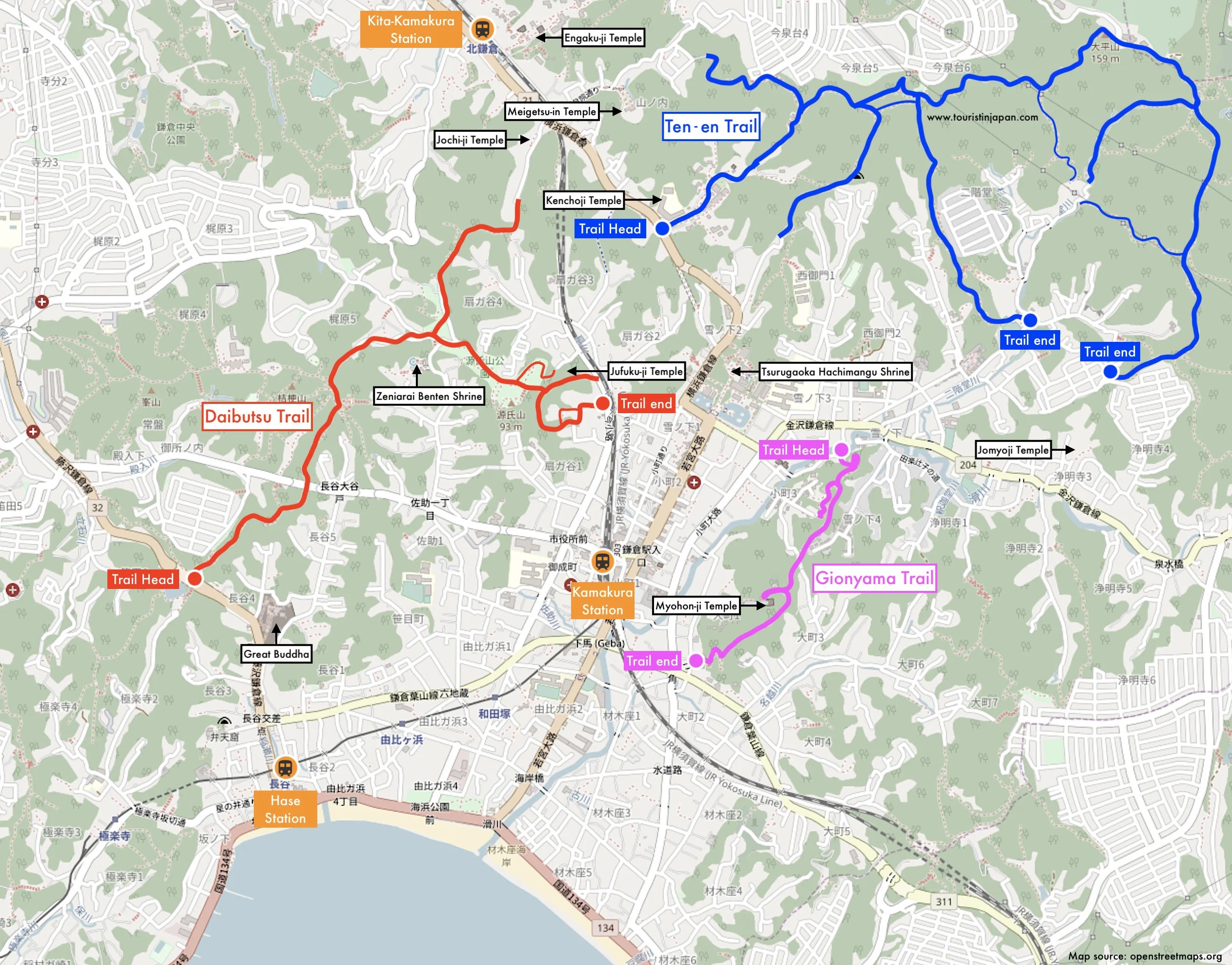
The Daibutsu Hiking Trail (大仏路) is the most popular hiking route in Kamakura. Stretching from Kita-Kamakura Station to the iconic Great Buddha statue (Daibutsu) at Kotoku-in Temple. This western trail spans approximately 3.4 kilometers and takes about an hour to complete, offering hikers a journey through some of Kamakura’s most significant cultural landmarks.
To get to the trail head, take the JR Yokosuka Line to Kita-Kamakura station (one stop before Kamakura Station) Tokyo Station to Kita-Kamakura is ¥830). The trail begins near Jochi-ji Temple, winding through wooded hills fragrant with fresh air—a welcome contrast to Tokyo’s urban environment.
As hikers progress along the path, they encounter Kuzuharaoka Shrine, known as a power spot for those seeking luck in love and marriage, evidenced by the heart-shaped ema (wooden wishing plaques) that adorn the shrine grounds. The journey continues through Genjiyama Park, where friendly cats often greet visitors. Another highlight along the route is Zeniarai Benten Shrine, famous for its sacred spring where visitors wash money in the hope that it will multiply.
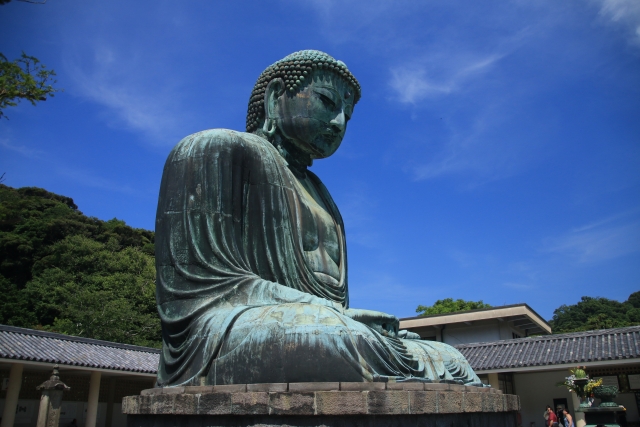
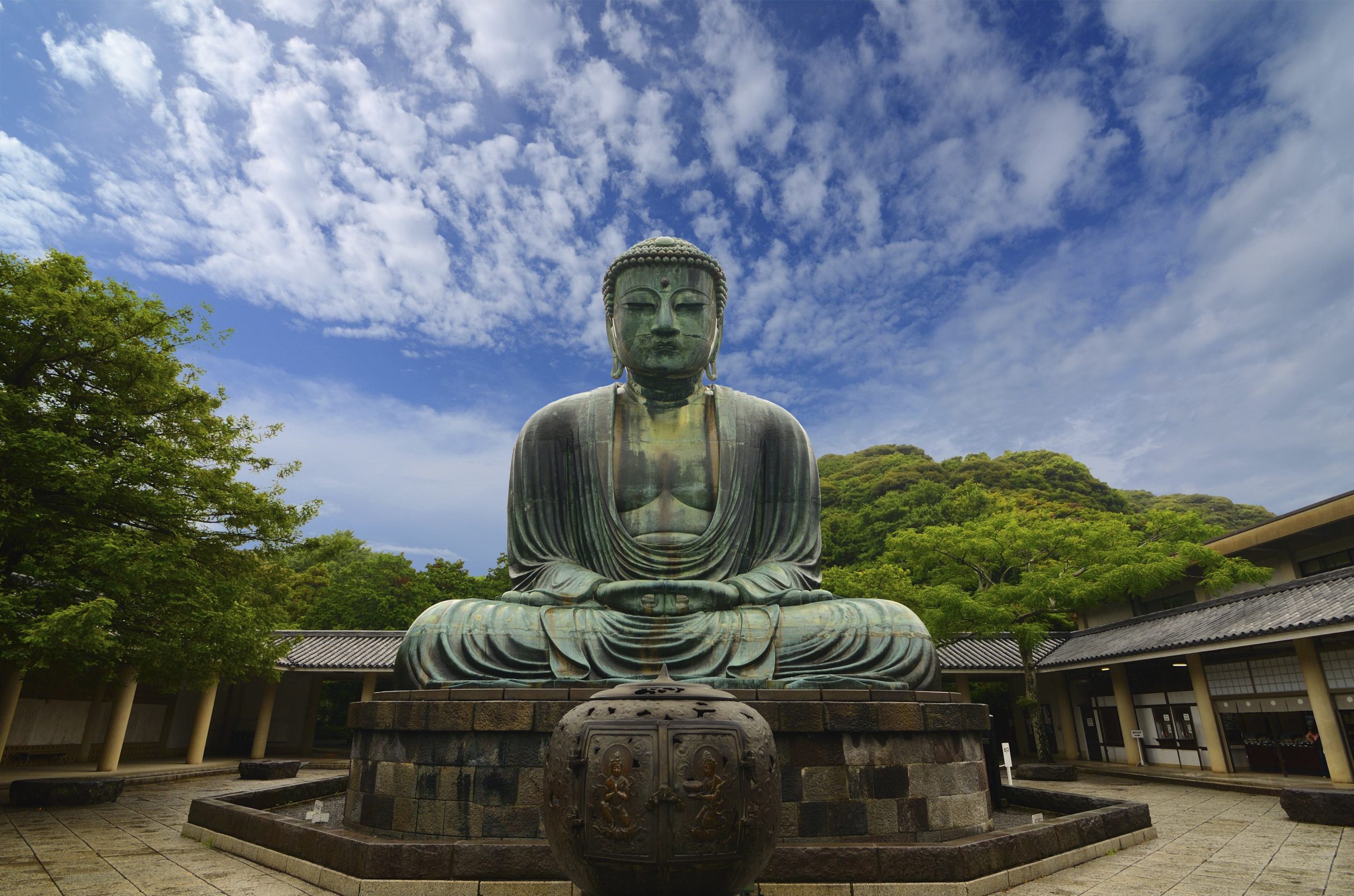
The Great Buddha (Daibutsu) on the grounds of Kotokuin Temple in Kamakura, Japan. (via GaijinPot)
The trail’s defining feature is its culmination near the Great Buddha of Kamakura, the second largest bronze Buddha in Japan after the one in Nara’s Tōdai-ji Temple. At 11 meters, this serene Buddha statue dates back to the mid-13th century and remains one of Kamakura’s most visited attractions. The final section of the trail passes through residential areas, offering glimpses into the beautiful homes that characterize this affluent region before reaching the Great Buddha.
The Experience of Hiking the Daibutsu Trail
While the Daibutsu Trail might initially appear tame, it surprises hikers with its varied terrain featuring paths knotty with roots and boulders that require some scrambling. The path is well-marked, with maps positioned at strategic points guiding travelers in the right direction. For those seeking to extend their journey, the trail can be continued from the Great Buddha all the way to the seashore, where Hasedera Temple, famous for its hydrangeas in early summer, awaits as a worthwhile stop.
The Tenen Hiking Trail: A Challenging Ridge Walk
The Tenen Hiking Course (天園路) represents one of Kamakura’s more challenging and popular hiking options. This northern trail connects Kenchoji Temple in Kita-Kamakura with Zuisenji Temple in the eastern part of the city, spanning over 4 kilometers along a ridge that offers spectacular views of the surrounding landscape. The trail is accessible from various points, including the Imaizumidai Trailhead, which serves as a convenient starting point for many hikers.
Although most guidebooks show this exciting hiking course starting from Kencho-ji Temple in Kita-Kamakura, I prefer to begin the tour starting from Zuisen-ji Temple (it is usually the end). There are three good reasons for this. 1) The first ten minutes is quite easy and you can warm up your legs during that time. 2) After thirty minutes, you can reach a wide-open space that is perfect for a picnic lunch or tea. 3) The last ten minutes of the hike you will be going down a long steep stairs, but it’s easier than going up as many people have to do!
What sets the Tenen Trail apart is its elevation and the panoramic vistas it offers of Kamakura city below. From various vantage points along the route, hikers can appreciate the layout of Kamakura, understanding how the city nestles within its valley setting surrounded by protective hills. This perspective provides insight into why this location was chosen for the shogunate, as the natural defensive position becomes evident from above.
The trail passes through lush forests and near historical sites, including caves and stone monuments that tell the story of Kamakura’s past. The challenging nature of this trail, with its steeper sections and longer distance, makes it particularly appealing to those seeking a more rigorous hiking experience while still immersing themselves in cultural exploration.
Practical Information for Kamakura Hikers
Accessing Kamakura from Tokyo is straightforward, with direct trains running from major stations including Shinjuku, Shibuya, and Tokyo Station. The journey takes approximately one hour and costs under ¥1,000 one way.
When planning a hiking day in Kamakura, it’s advisable to consider the weather conditions. The trails are not recommended during or after rainfall due to slippery surfaces. Proper footwear is essential, as is carrying sufficient water, especially during warmer months. Most trails are accessible year-round, though spring (for cherry blossoms) and autumn (for fall foliage) offer particularly scenic experiences.
For those concerned about navigation, resources like Toshi’s Kamakura Hiking Map provide detailed information including the locations of vending machines, public restrooms, bus stops, and stations. Additionally, the trails are generally well-marked with signs in both Japanese and English at key junctions.
Kamakura’s hiking trails offer a perfect blend of natural beauty, historical significance, and cultural richness, all within a convenient day trip from Tokyo. Whether opting for the popular Daibutsu Trail with its iconic Buddha statue, the challenging Tenen Trail with its ridge-top views, or one of the less-traveled paths, hikers in Kamakura can expect an enriching experience that connects them to Japan’s past while providing refreshing natural scenery.
A neighbor asked for some recommendations on where to go for a day hike somewhere near Tokyo. In another post of “cool things I asked an AI,” I worked with Perplexity to come up with some day hikes to recommend for someone visiting Tokyo looking for something different.
Today’s “vibe blog” is a result of asking Perplexity, “Can you help me plan a day of hiking Mt. Takao in Western Tokyo? I’m looking for a nice hike to the summit and a nice place to eat.”
Mt. Takao
Mt. Takao, a 599-meter mountain located in Hachioji City in western Tokyo, stands as one of the world’s most visited mountains with approximately 3 million visitors annually. The mountain offers the perfect combination of accessibility, beautiful nature, and excellent dining options, making it ideal for a rewarding day trip from central Tokyo. The following guide will help you plan a comprehensive Mt. Takao hiking experience, from reaching the summit to enjoying local culinary delights.
Getting to Mt. Takao
Reaching Mt. Takao from central Tokyo is straightforward. From Shinjuku Station, take the Keio Line directly to Takaosanguchi Station, a journey that takes just under an hour and costs approximately ¥430 each way. This convenience is one of the key reasons for Mt. Takao’s popularity, as it allows visitors to enjoy mountain hiking without venturing far from the city.
Upon arriving at Takaosanguchi Station, turn right and follow the path for about 500 meters to reach the cable car and chairlift stations, which mark the beginning of the hiking trails. The Omotesando trail, lined with soba restaurants and souvenir shops, leads from the station area toward the mountain trails.
Choosing Your Hiking Trail
Mt. Takao offers eight distinct hiking trails of varying difficulty levels, allowing hikers of all abilities to enjoy the mountain experience. Your choice of trail will significantly impact your overall experience, so it’s worth considering the options carefully based on your fitness level and hiking preferences.
The 8 main hiking trails of Mt. Takao (via Good Luck Trip)
Omotesando Trail: The Classic Route for First-Time Visitors
For first-time visitors or those seeking a balance of accessibility and sightseeing, Trail 1 (Omotesando Trail) stands as the most recommended option. As the main route to Takao-san Yakuo-in Temple, this trail is almost entirely paved, making it suitable even for those wearing casual shoes or sneakers.
The journey to the summit via Trail 1 typically takes about 1 hour and 40 minutes. The trail features numerous attractions along the way, including the historic Yakuo-in Temple (with a rich history of around 1,200 years), a monkey park, and a wild plant garden. After crossing the Joshinmon gate at Yakuo-in shrine, the trail divides into two sections: Otokozaka, featuring 108 steps, and Onnazaka, a gentler sloping path. The paths eventually reconnect, making it possible for groups to split up safely based on their energy levels.
A notable feature of Trail 1 is Gogenchaya teahouse, conveniently located where the Otokozaka and Onnazaka paths merge, offering a perfect rest stop with delicious soft-serve ice cream. The mountain’s temperature is typically cooler than central Tokyo, so carrying a light jacket is advisable even during summer months.
For Experienced Hikers: The Inariyama Trail
If you’re seeking a more challenging experience, the Inariyama Trail offers a more demanding route with numerous steep inclines. Historically used by timber industry workers, this trail is lined with Japanese cypress and cedar trees and takes approximately 90 minutes to reach the summit The Inariyama Trail follows the southern mountain ridge, providing ample sunshine on clear days and panoramic views of Hachioji from the Azuamaya lookout point. On particularly clear days, you might even spot Shinjuku’s skyscrapers in the distance. The trail’s most challenging section comes just before the summit with a staircase of approximately 200 steps. As this trail has no vending machines or eateries along the way, hikers should bring sufficient water and portable food. Additionally, proper trekking or mountain climbing shoes are recommended due to potentially poor footing or steep steps.
Dining Options Around Mt. Takao
Before Your Hike: Traditional Tororo Soba
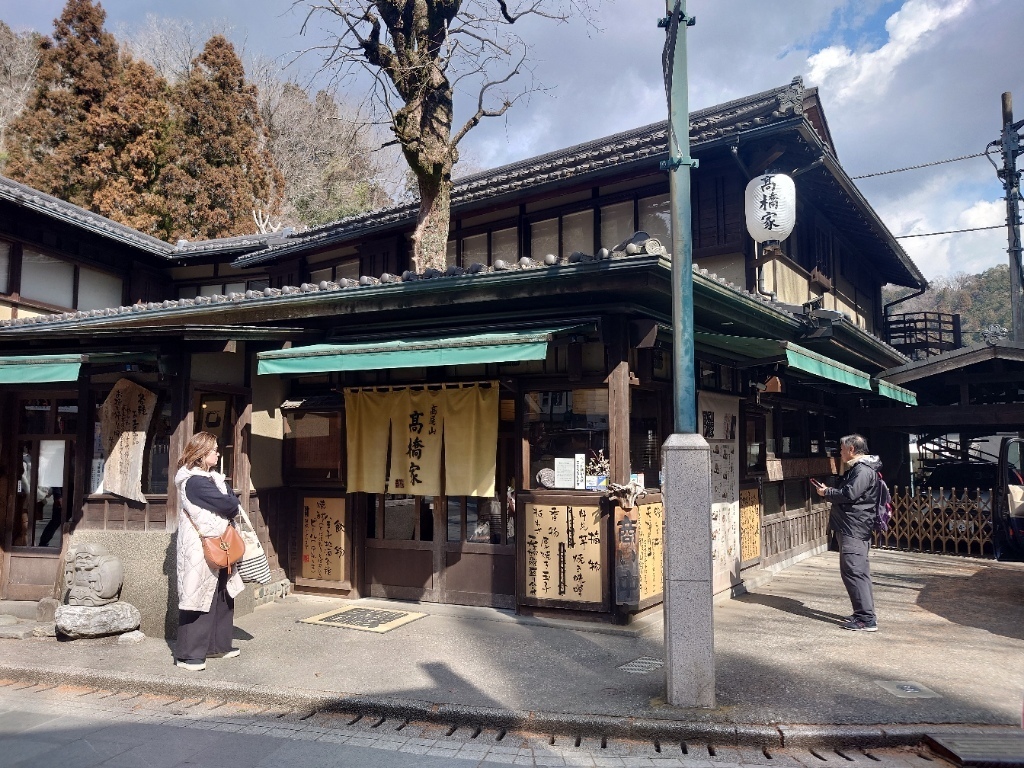
Before beginning your ascent, consider visiting Takaosan Takahashiya, a historic soba restaurant founded in the late Edo period (1603-1868). The restaurant’s most famous dish is tororo soba, a refreshing combination of soba noodles and grated Japanese yam (tororo). The restaurant features a remarkable 150-year-old persimmon tree growing through its roof, creating a peaceful and traditional atmosphere. Other popular dishes include tempura seiro (soba with tempura) and mugi-tororo meshi (rice with grated yam).
Tororo soba has historical significance in the area, as it was traditionally served to pilgrims climbing the mountain to visit Yakuo-in Temple. The grated yam was believed to have fortifying and nutritive effects, making it perfect fuel for mountain climbing.
During Your Hike: Trail Snacks and Refreshments
Along Trail 1, you’ll find numerous small shops and stalls offering a variety of snacks and refreshments. Several shops sell their own dango (rice dumplings) along what’s affectionately known as “dango street”. A particularly popular treat is “Tengu yaki,” a taiyaki-style snack shaped like the face of a Tengu (a mythological creature associated with mountains). Other popular refreshments include soft ice cream, shaved ice, and manju (Japanese sweet bean cakes), which provide welcome energy for tired climbers. In colder seasons, hot foods such as nameko soup and oden are also available.
Special Seasonal Option: Mt. Takao Beer Mount
If you’re visiting between mid-June and mid-October, consider stopping at Mt. Takao Beer Mount, Tokyo’s highest beer garden located at an elevation of nearly 500 meters. This seasonal establishment offers an all-you-can-eat, free-flow drink concept featuring Japan’s four major beers—Asahi, Kirin, Suntory, and Sapporo—along with numerous other beverages.
The venue provides two seating options: open-air tables on an observation deck or a sheltered hall with panoramic views of Mt. Takao’s verdant slopes. As night falls, the scenery transforms from lush greenery to the glittering nightscape of the Tokyo Metropolitan Area.
One word of warning, if you’re hoping to take the cable car down after all-you-can-drink beers, I think the last one leaves around 6pm.
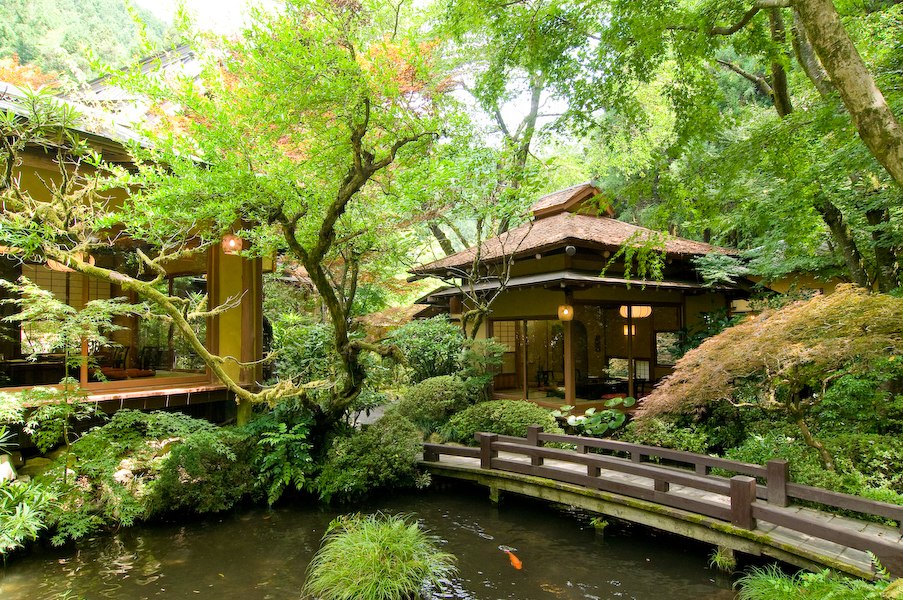
For a truly special post-hike meal, Ukai Toriyama offers an exceptional dining experience at the foot of Mt. Takao. This traditional Japanese restaurant specializes in charcoal-grilled dishes and is housed in gassho-zukuri style buildings surrounded by meticulously maintained Japanese gardens, ponds filled with koi, and the soothing sounds of trickling water. The restaurant offers both larger dining areas and cozy private rooms set amidst the natural surroundings. With its combination of exquisite food, impeccable service, and breathtaking ambiance, Ukai Toriyama provides a perfect way to conclude your Mt. Takao adventure.
Summit Highlights and Views
Upon reaching Mt. Takao’s 599-meter summit, you’ll be rewarded with spectacular panoramic views. On clear days, you can see Tokyo Tower, Tokyo Skytree, and other central landmarks. The summit also offers stunning views of Mt. Fuji in the distance and the surrounding Okutama mountains.
Practical Tips for Your Mt. Takao Hike
To ensure an enjoyable hiking experience, consider these practical recommendations:
Time Management: Allow approximately 1 hour 40 minutes for ascending and 1 hour 20 minutes for descending via Trail 1. If using the cable car or lift, these times reduce to about 50 minutes ascending and 40 minutes descending.
Appropriate Clothing: While Mt. Takao is accessible in casual shoes for Trail 1, comfortable walking shoes are recommended as some sections can be rocky. The mountain’s temperature is typically cooler than central Tokyo, so bringing a light jacket is advisable even in summer. For more challenging trails like the Inariyama Course, proper trekking or mountain climbing shoes are essential.
Cable Car and Lift Option: For those who prefer a less strenuous experience, the cable car or lift can transport you most of the way up the mountain, leaving a shorter hike to the summit.
Seasonal Considerations: Each season offers unique attractions on Mt. Takao. Spring brings beautiful cherry blossoms, including the famous “One Thousand Cherry Trees of Takao.” Summer features the Beer Mount and natural fireflies (mid-June to early July). Autumn showcases magnificent foliage, while winter has special events like the Winter Soba Campaign.
Mt. Takao offers a perfect blend of accessibility, natural beauty, historical significance, and culinary delights, making it an ideal destination for a day trip from Tokyo. Whether you’re a beginner seeking an easy hike with plenty of attractions or an experienced hiker looking for a more challenging trail, Mt. Takao provides options to suit every preference. By starting with a traditional tororo soba meal, selecting a trail that matches your hiking ability, enjoying the various attractions and views along the way, and concluding with a memorable dining experience, you can create a perfectly balanced day of physical activity, cultural exploration, and gastronomic pleasure. The mountain’s proximity to central Tokyo and well-developed facilities ensure that even first-time visitors can enjoy a stress-free and rewarding experience in one of Japan’s most beloved natural settings.
In America, it used to be AT&T that made the nostalgic TV commercials that would bring a tear to your eye. In Japan, a Yokohama train line is pulling on that thread.
The Sotetsu line was the train I took to my Japanese grandmother’s house in Wadamachi from its terminus in Yokohama. It was the first train I took by myself when visiting Japan when I was 12.
Their television commercials have gone viral for their nostalgia. 100 Years Train shows various couples missing each through the years before finally getting together at the end. This commercial was made to celebrate the train line’s 100 year anniversary.
Last month, Sotetsu updated this theme to celebrate the line’s extension to Tokyo. Father & Daughter follows a father and daughter over the years as the father takes his daughter to school. In the beginning, the daughter looks up to her dad and says that it’s so far away. In the end, the daughter stays on the train to go away to university, presumably in Tokyo, which she tells her father is not that far away.
Be sure to watch the “behind the scenes” video below which is really quite amazing. Instead of using CGI, the entire commercial was shot in one go with identical-looking actors and hand dollys to simulate the movement of the train.
Yasumura has been polishing his bit for years back in his native Japan. Now he has taken his act internationally to Britain’s Got Talent, changing his name to Toni Kaku and leaning into his mangled Engrish.
Don’t worry. . . he’s wearing . . . PANTS!
Izumi dug up a video of him from eight years ago. It’s a bit rougher and I have no idea why the women are in their underwear either but, you know, Japanese TV.
On October 11th Japan finally lifted the burdensome Covid restrictions which prevented all but the most determined from visiting Japan. With the USD/JPY rate approaching levels that we haven’t seen since the 1990s now is a great time to visit Japan.
Looking back at the human pictograms used to illustrate 50 Olympic sports in 5 minutes I realized the inspiration is from an Japanese game show I wrote about earlier, Kasou Taishou.