Tag: Tokyo

  • Where to stay and eat in Tokyo

    Where to stay and eat in Tokyo

    15 years ago a friend asked me for tips on what to do in Tokyo. I’ve updated the post a few times with new information but never shared anything about where to stay and what to eat so here’s text lifted from a long message to another friend.

    Where to Stay

    Old Tokyo

    I like Yanaka in eastern Tokyo. This area was not bombed during the war so many of the old buildings and temples remain. I used to live there and enjoyed having good access to downtown but still retreat to a neighborhood when you want to decompress. For visitors, it’s a more authentic Japanese experience than the hustle, bustle and glitz of Ginza or Shibuya. 

    I recently went back to visit and now it’s been rediscovered as a nostalgic neighborhood and has transformed a bit like Williamsburg in New York. 

    There’s a family-run inn in the neighborhood that’s still there. I’ve never stayed there but imagine it’s a bit like a backpacking experience. You’ll definitely meet other travelers that might be fun to hang out if you’re traveling solo.

    http://www.sawanoya.com/eigo.html

    Modern Tokyo

    When I worked at SmartNews and traveled to Tokyo every couple of months, I would stay at the Shibuya Dormy Inn. The rooms are tiny but they have a large shared bath & sauna and the breakfast buffet is a good deal. Location-wise you’ll be a 15-minute walk from Shibuya station so if you go out late, it’s a cheap cab ride home. Stay here if you want to be in the thick of it. Pro-tip, ask for a room away from the train tracks which run right next to the hotel. 

    https://dormy-hotels.com/dormyinn/hotels/shibuya

    Where to eat

    Tokyo is like NYC in that there is anything you want and the baseline quality isn’t bad. If you know what you want and plan ahead, you will have access to some truly unique dining experiences. Off the top of my head, here are some places to try.

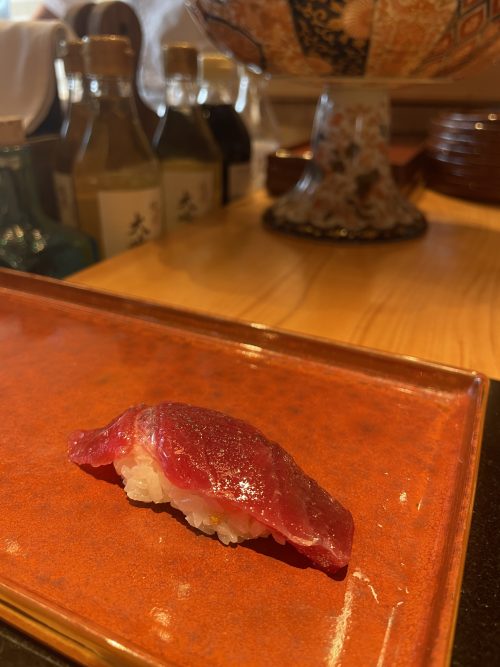
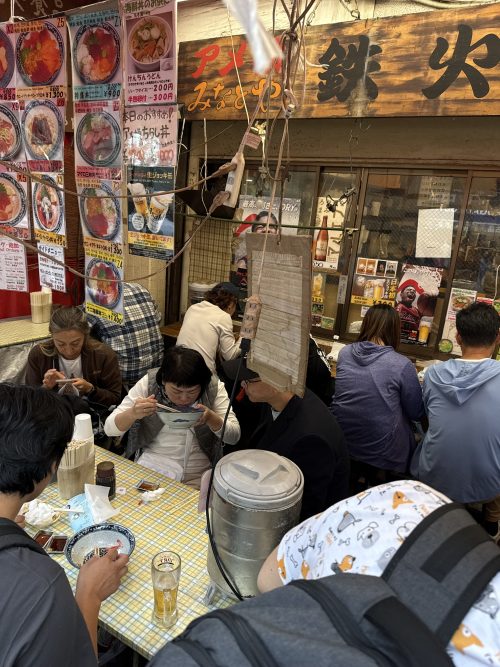
    Minatoya –  cheap sushi-don under the tracks. The whole neighborhood was where the black market was after the war and still is a neighborhood full of niche shops selling their wares at a discount. After visiting the rabbit warren of shops, be sure to stop by here for your requisite $8 lunch.
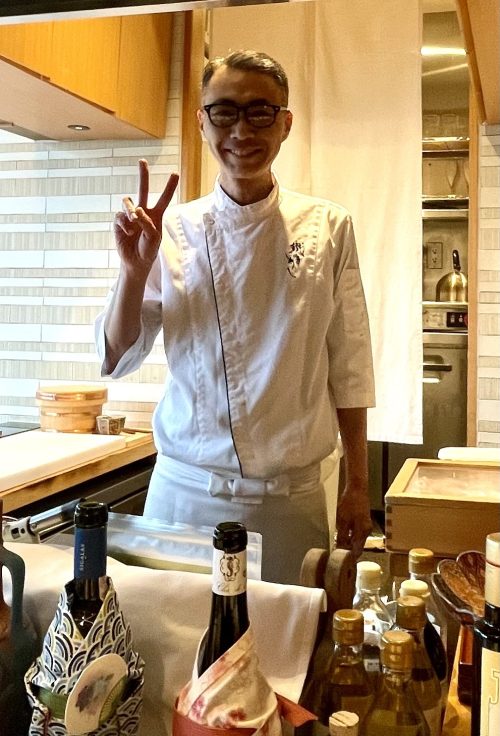
    Bayside Sakura Olion-sushi – if you’re looking for a different take on sushi, this place pairs olive oils and salts with their fish to serve a somewhat hybrid meal. The chef trained in Southern Europe (Spain I think) so came to appreciate the Mediterranean way of eating and fused that with traditional Japanese sushi. High end eating but well worth it. 
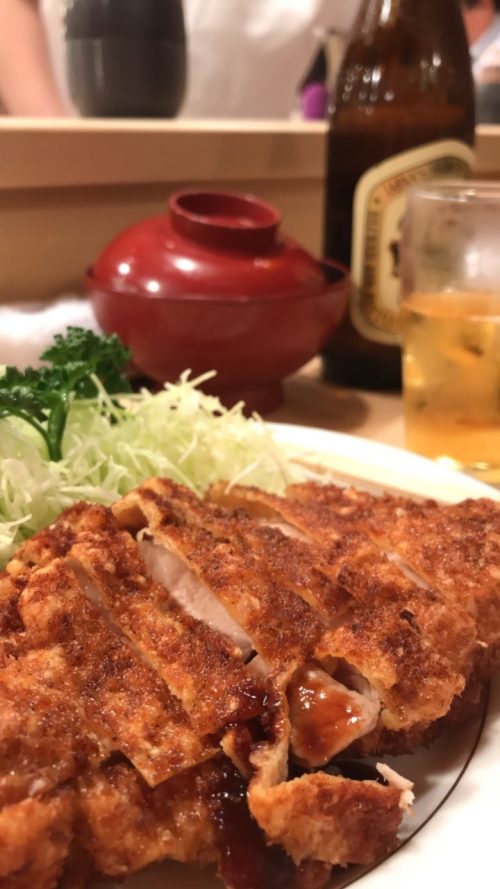
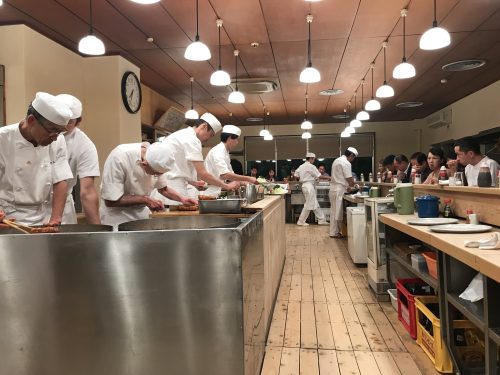
    Tonki – Fried pork cutlet is not for everyone but if you want to try the best Tonkatsu in the world, this is the spot. The place is immaculate and they run people through there like it’s a factory. You’ll get to sit at the counter and watch the open kitchen work in quiet efficiency. The rice is fluffy, the sliced cabbage is sweet and the roast pork done to perfection. Truly a temple to the pork cutlet. 

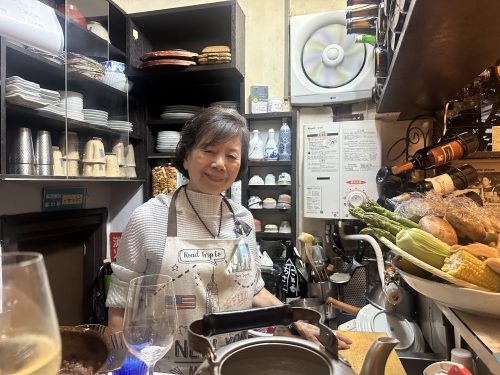
    Enoki – Tiny Japanese bar that seats 6 in the shadow of the skyscrapers of Shibuya. I have been going here since the 80s (Enoki was in my post 15 years ago) so Chizuru, the proprietor has know me since I was in my twenties. It’s super hard to get in so if you want to go, call a day or two ahead. 
    Tokyo is a city that gives more than it takes. If you go in with an unstructured schedule with only one or two things to do each day and leave yourself plenty of time to poke around surrounding neighborhoods and open yourself to sidebar explorations, you will be amazed at what you’ll find. 

    Be observant, marvel at the intricate designs on the manhole covers, see a line of folks at a sweet treat shop? Queue up and try it out. Ask questions, have conversations, connect with humanity and celebrate what brings us together. 

    I was just back there last month to visit my parents to celebrate my dad’s 90th. While I spent most of my time with my parents, I did manage a couple of focused days out and caught a whiff of that Tokyo magic. Here’s what I did. 
  • One Day in Tokyo

    One Day in Tokyo

    It’s been said that Tokyo is Disneyland for adults. If you approach the city with a beginner’s mind the city will reward you many times over.

    I’m back in Tokyo visiting with my parents (who have been living here since 1978!) and while I spent most of my time visiting with them, I did go out a few days just to poke around. Here’s what happened on one of those days.

    On Tyler’s recommendation, I went to the Tokyo City Flea Market, held on Saturday from 9 – 2 pm down by the Kawasaki horse racing track. Like most large flea markets it was mostly vintage clothing and collectables but there was some cool finds such this game my sister and I used to play.

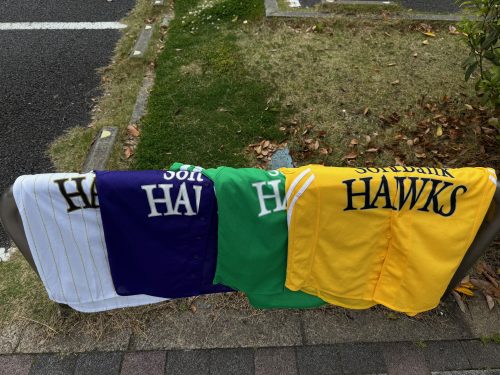
    I also found a guy selling cheap, Japanese baseball jerseys and managed to buy an assortment of Softbank Hawks jerseys for the family. We can wear them at a Mets game in honor of Kodai Senga, their new Japanese pitcher who used to play for the Hawks

    500 JPY ($3.50) each, not a bad haul!

    I then went to Akihabara to check out the latest gadgets. I spent some time in the main Bic Camera branch playing Japanese Go against a robot. I lost all five times.

    I then walked up to Okachimachi to wander around the warren of shops tucked in under the tracks. This area was a huge black market region after the war and it retains the feeling of a place where you can strike a bargin. I visited Minatoya, a great place for a donburi bowl topped with sushi.

    1,200 JPY ($8.50) for the lot (yes, including the beer!)

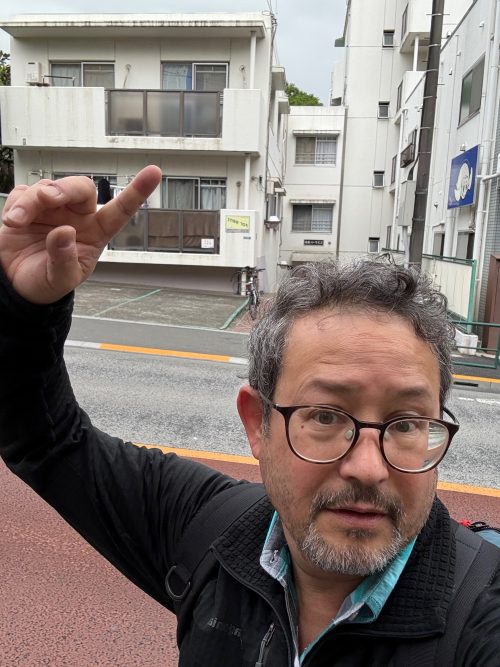
    From there I punched through Ueno park to my old neighborhood in Yanaka to visit my old apartment.

    Doesn’t look like much but Nezu/Nippori is one of my favorite neighborhoods in Tokyo

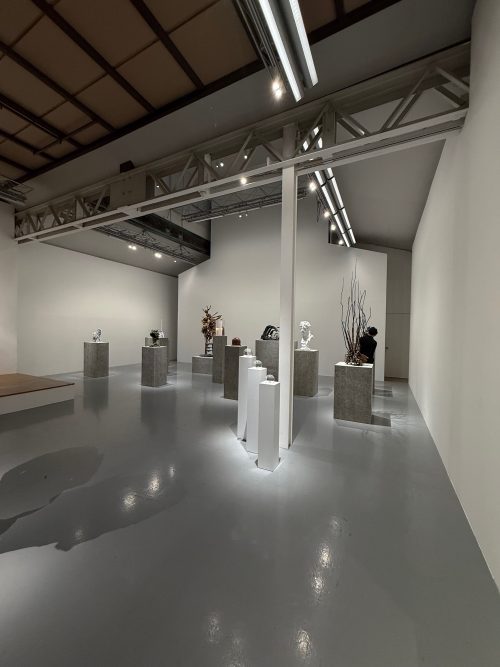
    Around the corner is SCAI the Bathhouse. True story, when I just moved to the neighborhood, I went there when it was still a public bathhouse. As I entered, everyone was singing songs and greeting each others as if in a large family reunion. The atmosphere was unusually jovial for a public bath which is usually a reflective place where one goes to scrub down and soak up to your chin while gazing at Mount Fuji depicted on the tile wall. When I asked the proprietor if it’s usually this festive, she replied that that day was the last day in their 165-year existence as they were converting the structure to an art gallery!

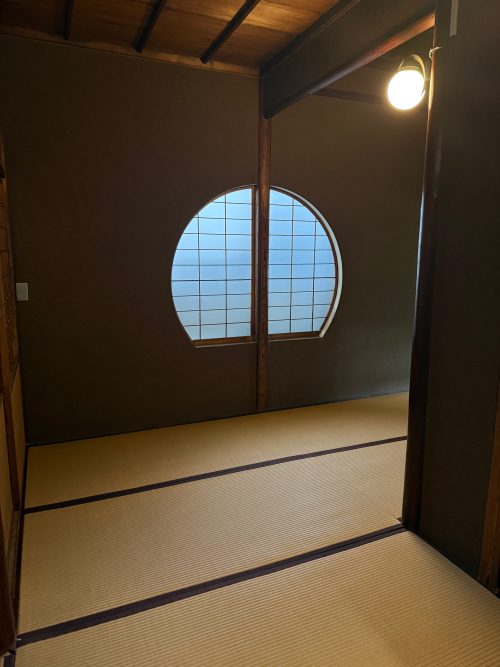
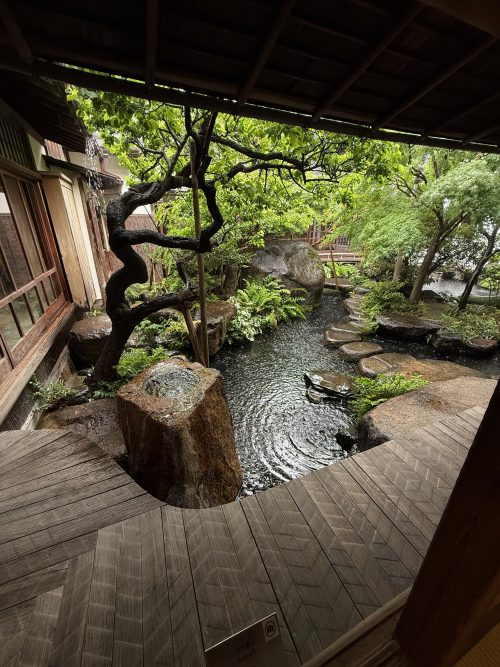
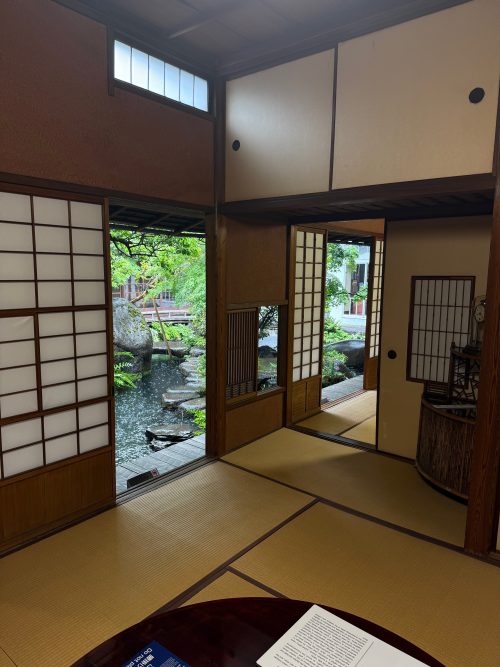
    As I was walking the old neighborhood it started to rain so I ducked into another neighborhood favorite, the Asakura Museum. The home is unique in style with a wonderful blend of early 20th century Eastern and Western styles. I would often go just to gaze out on the beautiful garden and it’s amazing carp. The rain sprinkling drops on the water made it even more magical.

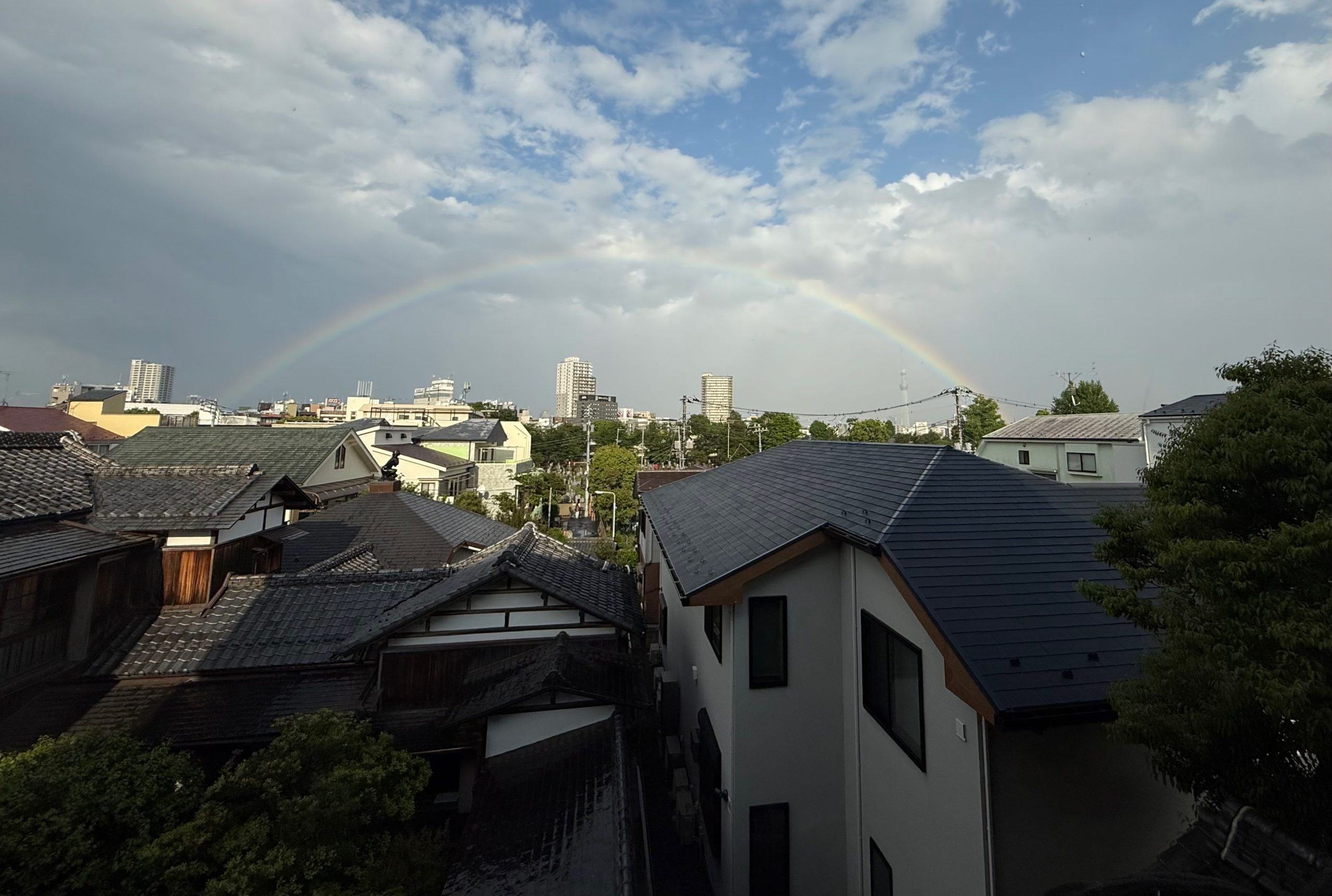
    Later the rain cleared up and the ladies who run the museum let us know excitedly that we should make our way to the top floor to view the rainbow.

    If you look carefully, you’ll see the Akasaka Sky Tree near the right base of the rainbow.

    Next, I went to meet my sister at the Yanaka Ginza shopping street where we had a nice cup of coffee and then headed to meet my friend Yuji and his lovely wife Yumi at a local beer hall. Yuji and I met at a Grateful Dead concert in Oakland and when I moved to Japan he introduced me to the surfing culture as well as the downtown community spirit of shitamachi in the working class neighborhoods of Eastern Tokyo. After sampling their beer and light snacks, we headed to Asakusa for some monja, a local dish cooked over a teppan stove with copious amounts of beer and chu-hai.

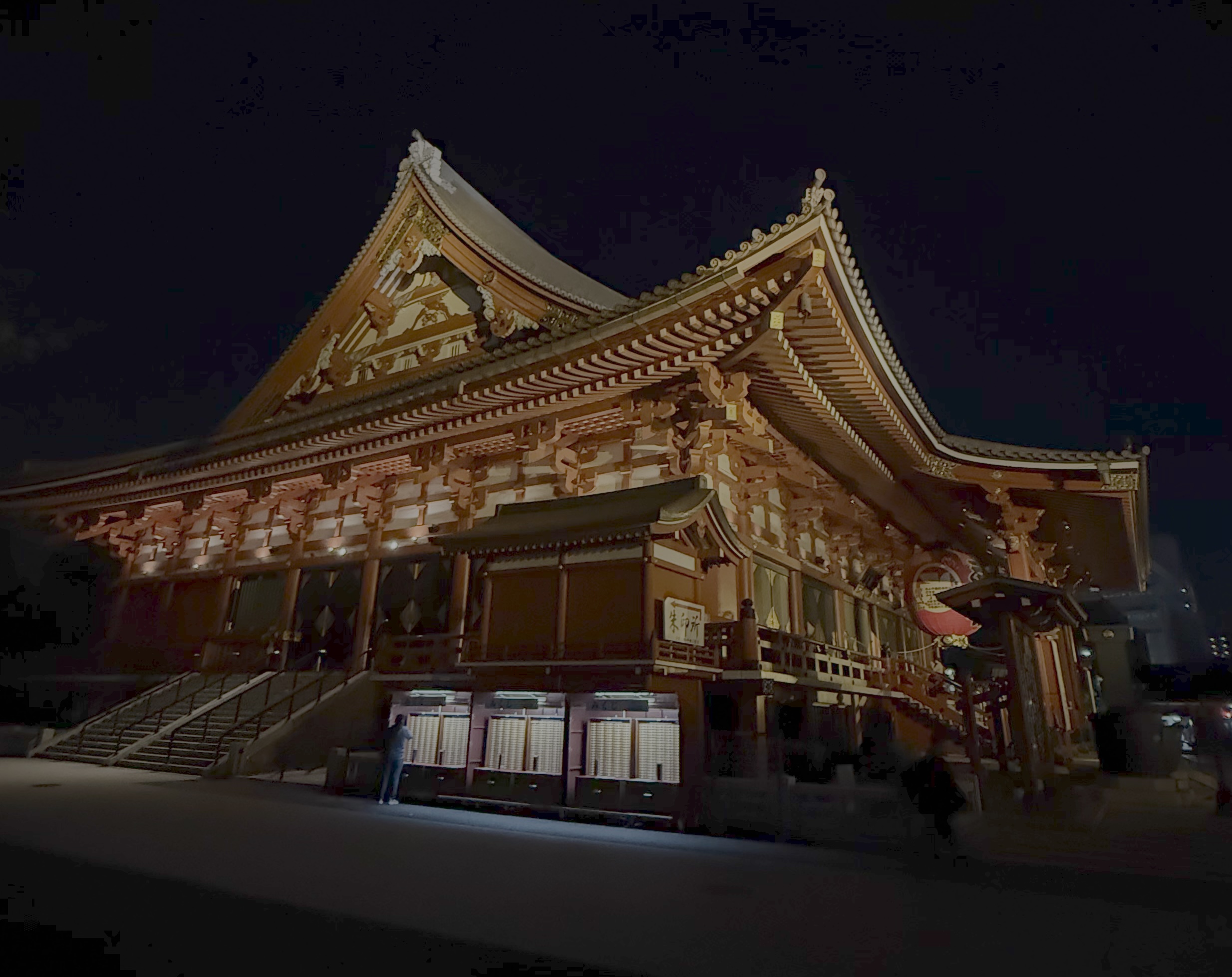
    By then it was getting late so we walked through the Sensoji temple grounds which were mostly empty but lit up majestically.

    Sensoji at night

    By the time my sister and I got back to Hiyoshi station where my parents live, we had just enough time to grab “one more drink” so we looked for bar on Google Maps and were drawn to a place called Valhalla.

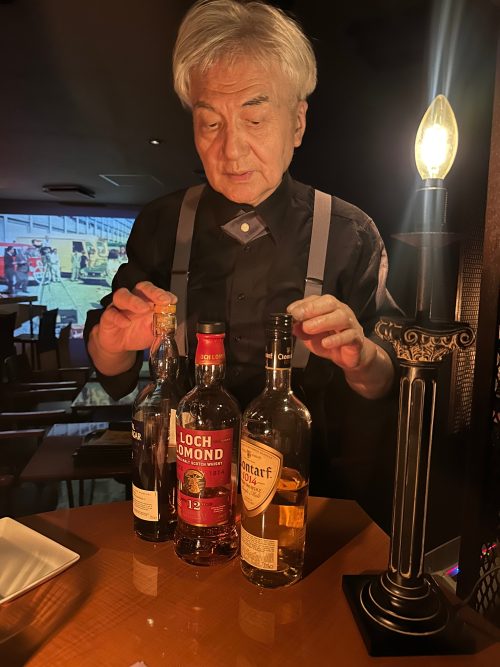
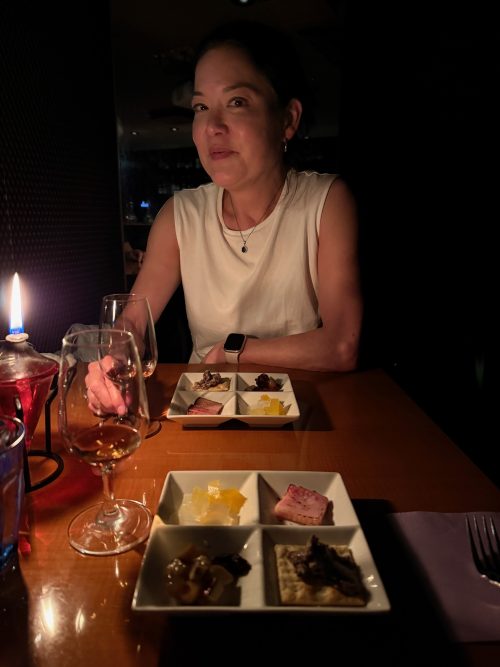
    We stepped in timidly as it was dark and there was no one else in the place. Pink Floyd was playing gently on the hi-fi and the proprietor warmly welcomed us and motioned us to sit down. He brought an oil candle and the menu and we flipped around looking for the beer or chu-hai selections.

    When he brought over light snacks and laid out a collection of cigars we asked what kind of bar we were in. It was clear from the many pages of single malt whiskeys listed, this was a place for serious drinking. The master said the cigars were for people who enjoy a smoke with their whiskey. As he was explaining all this, he frowned as my sister flipped to the cocktails page. When I asked for something “on the rocks” he looked at me as if I had asked for a mug of mulled wine. We were gently guided to the topic at hand. Were locked in, whiskey it will be.

    For the next hour, my sister and I were given a master class on single malts. Their history, the varieties, some of the distillers, and, most importantly, how to appreciate and drink properly. He wielded the sipping glasses as deftly as a magician. Vigorously swirling the liquor in the glass, the master instructed us to jam our nose in and take a deep inhale before taking a single drop. Notes of peanuts I think. Then he had us take a very small sip and then to smell again and note how the “nose” had changed. He later dipped a fork in some water and let a single drop fall into the whiskey and go through the whole process again. Completely different once again.

    We were both amazed how a single drop of water could alter the entire experience. I could understand how he would be offended by anyone who would plunk an entire ice cube into his precious elixir!

    After a second round of a different whiskey (we thought he’d cry if we left after only one) it was time to call it a night. Mie and I both laughed how, only in Tokyo, you could go from wolfing down monja and beers in shitamachi to finishing the night with an instructive tour of finer points of Scottish single malts. All completely unplanned and completely serendipitous.

    When in Japan, things work out best if you surrender to the flow.

  • When the New Jersey Nets came to Tokyo

    When the New Jersey Nets came to Tokyo

    Going through some old boxes during the holidays I came across this old press pass which has a funny story behind it which I’ll share for posterity.

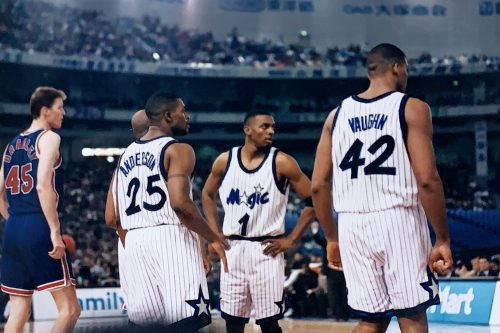
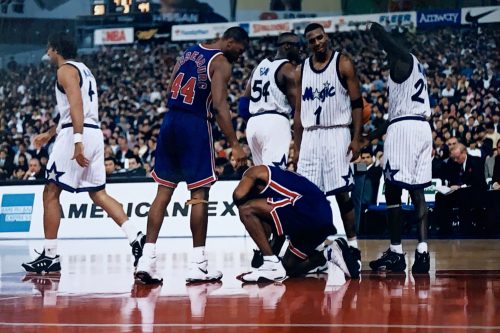
    In 1996, the then New Jersey Nets came to Tokyo to play against the Orlando Magic. The NBA was reaching to Japan to expand awareness of the sport and this was the fourth time two NBA teams traveled to Japan to play a regular season game in front of a Japanese crowd. Shaq had recently decamped for the Los Angeles Lakers but the Magic was still the team to watch with Penny Hardaway as the man to watch.

    My friend Kimiaki Tanaka was a reporter for China Television and called me in the morning to ask if I wanted to join her at the game and tag along as her “cameraman.” I didn’t have a proper camera beyond a small Olympus Mju so there I was, down under the basket, at the Tokyo Dome, with all the other international press and their 400 mm zoom lenses.

    Here are a couple of photos from that I found from that roll of film. I don’t think I’ll ever get that close to a professional game again.

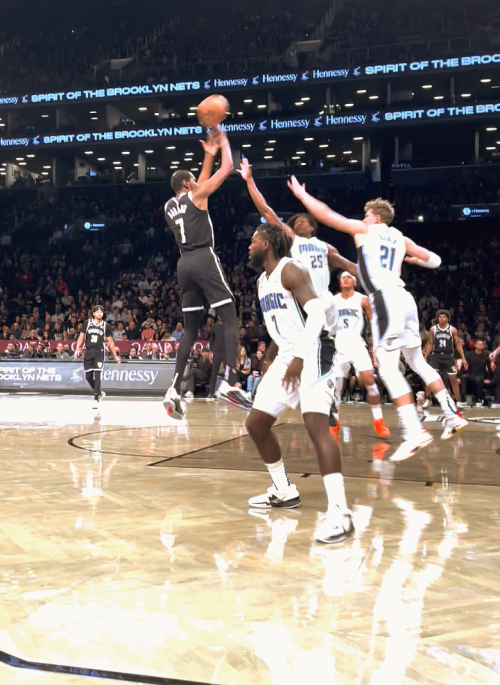
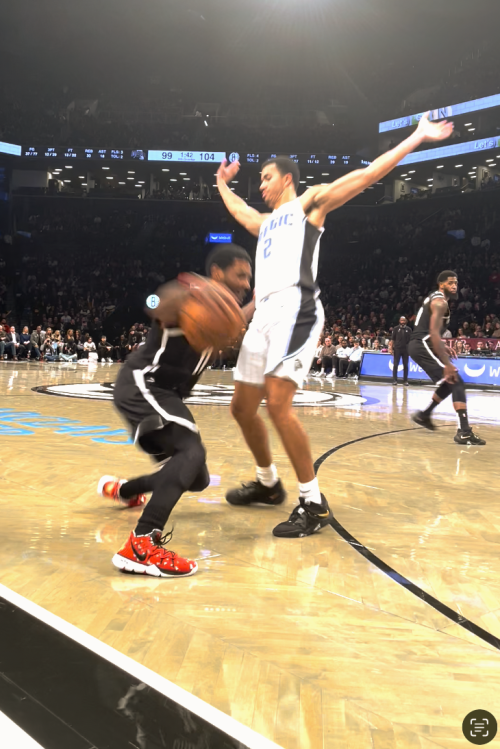
    Flash forward 26 years and my son Tyler is working at what is now the Brooklyn Nets and seeing many games (one of the benefits in working for the team). He did make it courtside recently and caught these photos of, you guessed it, the Nets going up against the Magic.

    These are just screenshots. It’s 2022 so we have video!

  • Tokyoiter

    Tokyoiter

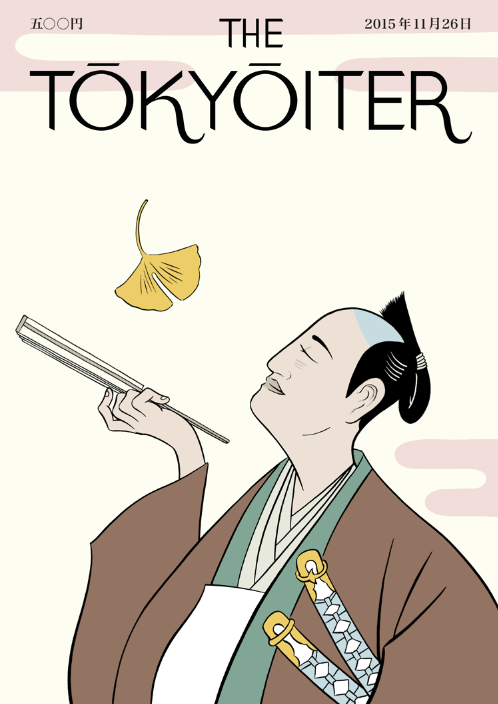
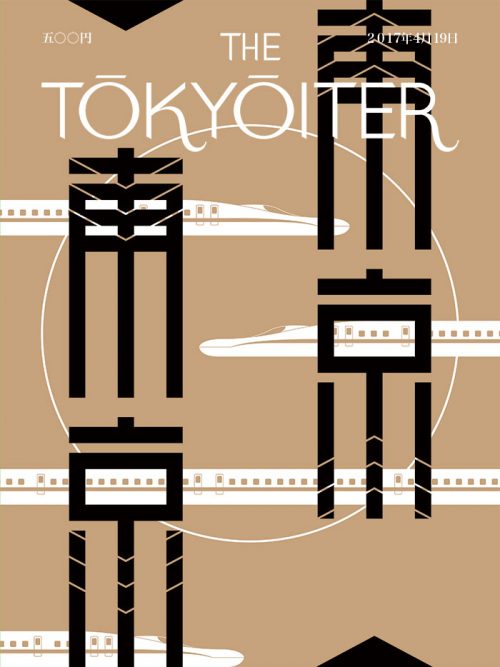
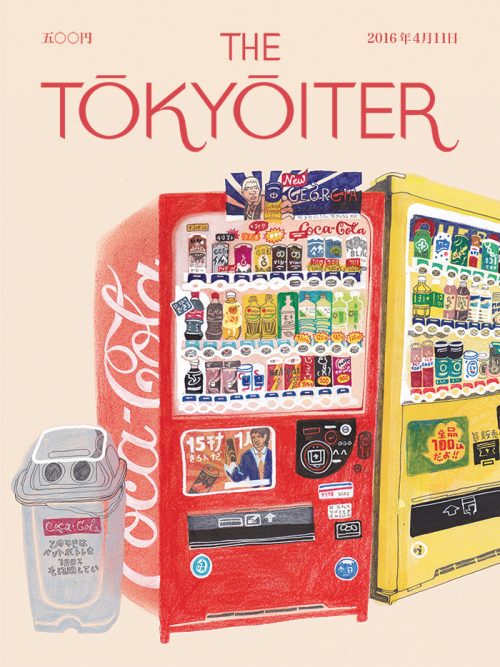
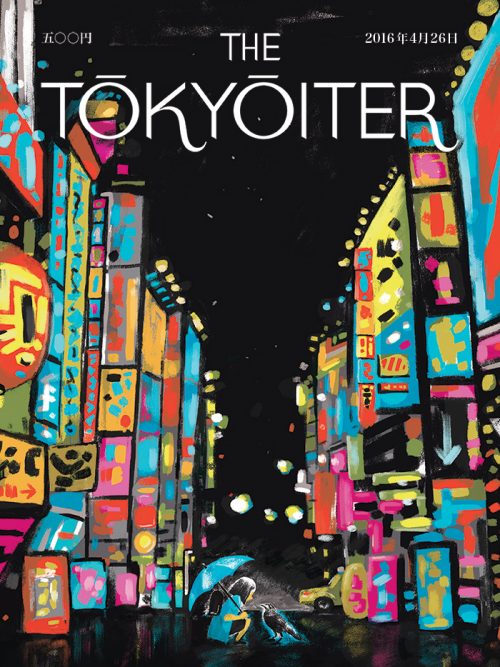
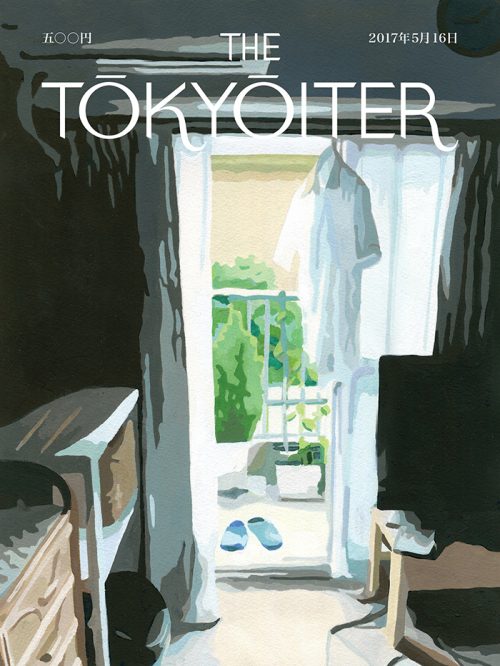
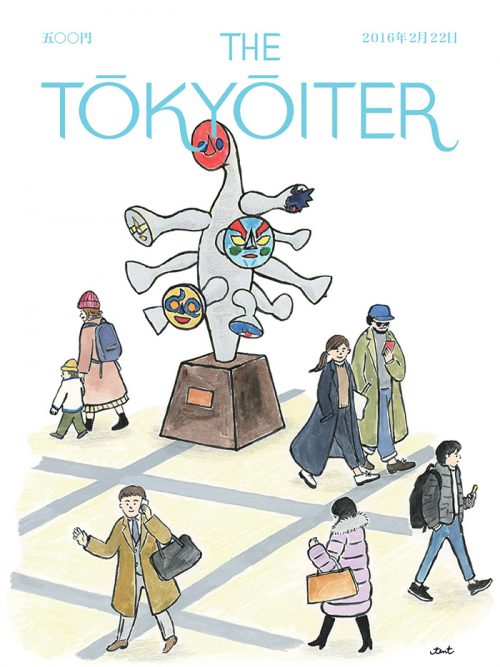
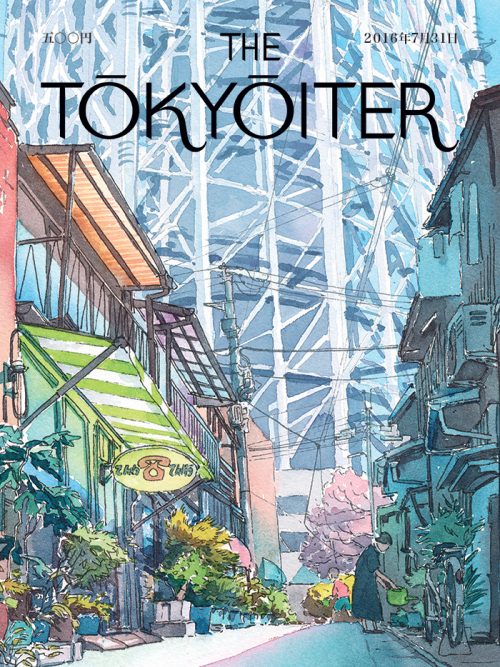
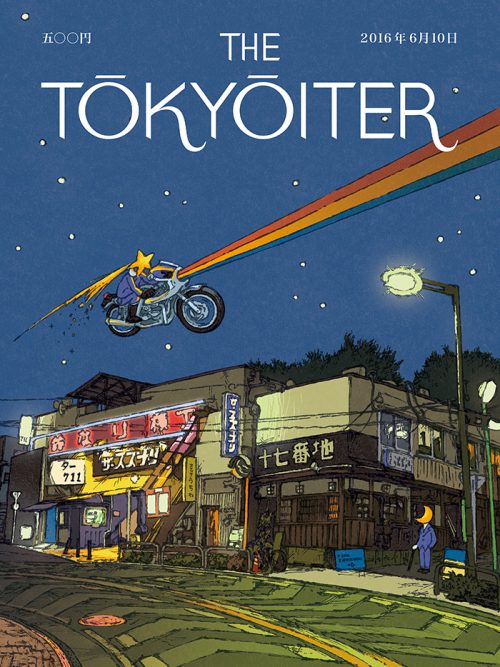
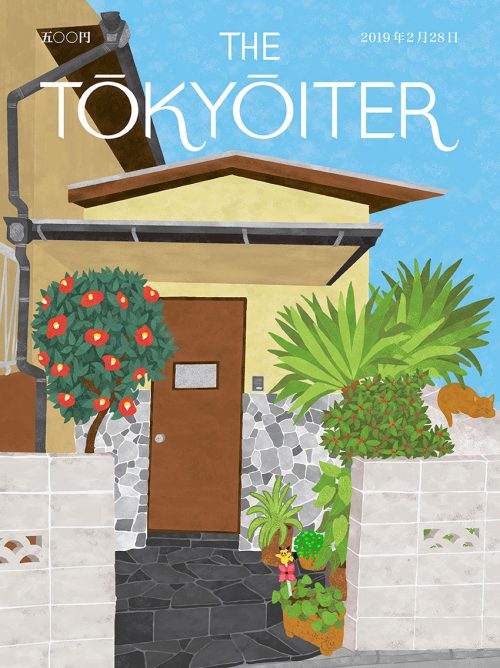
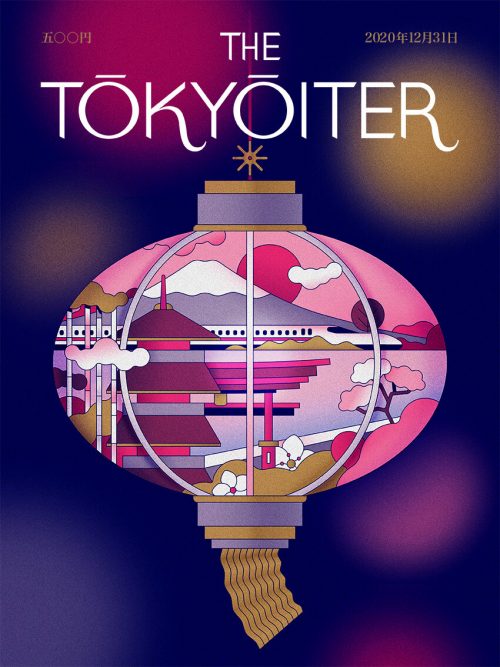
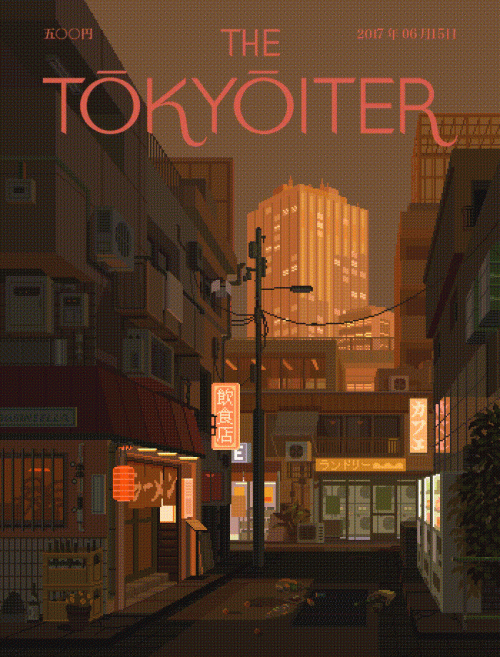
    After moving to NYC, the cover art of the The New Yorker has taken on a new significance as I recognize the buildings and street scenes depicted and appreciate the weekly snapshots of the world around me.

    Tokyoiter is an art project which challenges participants to depict the cover of an imaginary Tokyo city magazine in much the same way. As you can see, it takes its inspiration from The New Yorker (except the price, 500 JPY is a bargain). There are many images on the site but here are some of my favorites.

    Follow them on Instagram to see new submissions and learn about when they make prints available for purchase.

    Thank you dad for introducing me to The New Yorker many years ago and buying me a subscription as soon as I moved here.

    insta: @waneella
  • Tokyo Train Station Melodies

    If you’ve been to Tokyo, you’ve heard the melodies. Meet the man behind the music, the colorful Minoru Mukaiya. H/T to Tyler for finding this wonderful video.

    Oh, and if you want to hear samples, I linked to a site that exhaustively recorded and cataloged all the jingles back in 2004.

  • Walking Backwards

    Do you ever feel like you’re moving through a fog, going backwards? The clip from Tokyo Reverse is a highlight reel from a 9 hour video of someone who did just that, walk through the streets of Tokyo, in reverse. Ludovic Zuili, the man in the video, was filmed walking backwards and then the footage was flipped around so that he was shown walking forwards and everyone else is shown walking in reverse. The effect is strange and, trippy.

    Those of you who know Tokyo will recognize Shibuya, Harajuku, and Akihabara in the clip.

    Read more on BBC and Le Monde

  • PechaKucha Night

    While in Tokyo last week, I had the good fortune to attend a PechaKucha event in the place where it all started. PechaKucha is a simple idea delivery engine. The concept was invented by architects Mark Dytham and Astrid Klein as a clever way to keep architects from hogging the microphone and going on too long about their projects. Each presentation is limited to 20 slides which automatically advance after 20 seconds (20×20). The rest is history.

    Marking the City

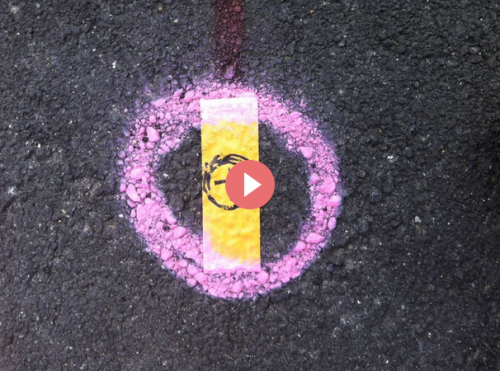
    Marking the City is an example of the weird and wonderful performances that take place. If you’ve ever been to Tokyo and have wondered about all the amazing markings on the pavement, Nick Bruscia attempts to explain the hidden meanings locked within.

  • Tilt Shift, Timelapse Cities

    I think I stumbled across a new genre. Shooting your city in time lapse and giving it the tilt shift treatment.

    San Francisco

    New York

    Tokyo

    Paris

    Does your city have a particularly nice timelapse, tilt shift video?

  • Update from Tokyo

    Following up on last week’s letter, here’s an update from my father who lives in Tokyo.

    –The New York Times says just short of half a million people are now in “shelters,” which in most cases means living on a blanket spread out on the floor of a high-school gymnasium. Most of these rural people have lost everything, even their money, which they did not keep in the local bank but in the top drawer of their bureau, which has been swept away.

    –Most recent addition to the shelters are a young boy and an 80-year-old woman rescued after eight days under rubble.

    –Shibuya crossing in front of Shibuya Station is known for its people jams, in which 600 people can step off the curb when the light changes. These days, however, it’s more like fifty people.

    –One fashionably dressed lady in the train this morning was wearing a highly polished helmet.

    –In the stations, escalators going up are operating, but people are expected to descend to the platform on their own. Elevators are kept operating, though, for people who genuinely have difficulty climbing stairs.

    –Although many stores in Tokyo are closed or at least partially shut down, the cosmetics counters on the first floor of department stores, where some of Tokyo’s most attractive ladies man the stands, are open for business. A morale booster, clearly.

    –Gasoline is being rationed, which everyone understands. By lining up early in the morning at the stand at the bottom of the hill, we were able to get 12 liters–maybe four gallons. But in Tokyo the trains take us wherever we want. In the rural disaster area, people can’t get anywhere without a car. They may have to drive 30 kilometers for gasoline.

    –We have heard of a family living uncomfortably close to the endangered power plants evacuating to Yokohama. A family of eight in a car driving 150 miles.

    –We learned a few days ago that radiation has been detected in shipments of spinach. In its determination to provide everyone with as much information as possible, NHK shows a map of the ten prefectures in question, with the precise level of radiation one could expect in the spinach from each prefecture.

    –“Foreigners” seeing videos of residents of Tokyo wearing white face masks might think they are protection against radiation. No, it’s protection against hay-fever pollen.

    –There are far fewer ads in the trains and stations than usual, although beer ads celebrating the coming of spring (tra la) are plentiful.

    My mother adds that she had to give up on getting milk at the local grocery store because the line was too long. Milk supplies are down because radiation contamination has impacted the supply. The local department store was only open from 4pm until 7pm as they were trying to save on electricity and she recently had to line up at 6am to get gasoline for the family car which is being rationed out to just 10 liters/car.

    —– 0 —–

    Meanwhile, I read in local press that the Finns have moved the seven staff in their Tokyo office down south with the Danes in their Hiroshima offices. This move was prompted, in a historic twist of irony, to avoid potential nuclear fallout from the reactors in Fukushima.