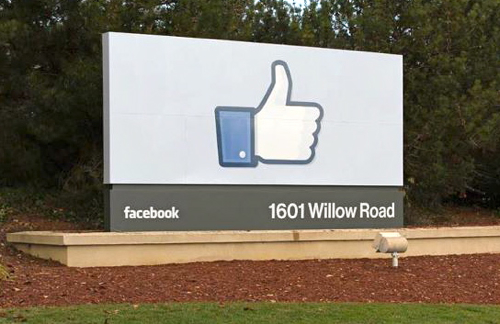
The Facebook “like” is a simple social action loaded with meaning. The act of Liking something online while sitting alone at the kitchen table in your boxers is, on the face of it, a solipsistic act, but it’s really much more complex. One click on that link causes a complex web of behaviors that ripple outwards across your social graph. By Liking something you are not only pushing a social signal to the author of the post, you are also signaling to all others that view the post that follow.
Social signals are often misunderstood online so it’s important to remember that a Like is not always just a Like. It could be any one of the following types of Likes.
I Saw It Like – this is the most basic type of Like. You want to let the author know that you saw their 49 photos of their trip to Costa Brava and therefore do not need to be reminded when you see them next. A simple click here allows you to cut off the conversation with a quick, “Oh yes, I saw them,” so you can move on.
Pile On Like – we all tend to swarm around causes. The Pile On adds your name to a long list of people as a way to add weight to someone’s mission. A friend posts how she was indignantly treated by the pizza delivery guy. Quel dommage! This is the perfect opportunity to add your name the pile. Satisfyingly non-commital. We feel your pain.
Like To Remember – we live in a busy world and our newsfeeds are always in motion. How to remember that clever t-shirt folding video that you saw? With this type of Like, it’s more because you want to retrieve it later, not really because you “liked” it. It’s a one-click ReadItLater link.
Lazy Like – this is another common type of Like. Writing something witty, especially when you’re late to the game and the one snappy comeback you had ready was hidden under the View More link – your wrung out but still want to contribute – it’s late, you’re lazy – Like.
Shine a Light Like – it doesn’t happen too often but every now and then something drifts across your feed that you just know no one else will see unless you breath some social air onto it by clicking Like. Maybe it’s that brilliant one-liner from your long lost surfer buddy from Chiba who usually only writes in Japanese. You want your friends to know him and his brilliance. You could Share but that feels like robbing him of something so you click Like.
Ironic Like – sometimes something is so awful that a Like is in order as the online equivalent of the Hardy Har Har. Someone listening to Katy Perry’s Firework Death Metal overdub? Like.
Like My Shit Like – God Dammit! I was so excited when I finished work on a animated mockumentary takedown of Sean Parker’s Redwood Wedding that I posted it at 3am as soon as it was done. Everyone was asleep so they missed it and now some big sports event is going off so all the conversation has pushed your video even further down somewhere below the copyright notices. It’s a last resort and a real noob move but you’re clicking Like on your own stuff just to put it back into rotation.
Condolences Like – while most times Facebook seems like a Happiness Competition, sometimes sad things happen and people post about them. Everyone knows you don’t “like” the fact that someone lost their job or didn’t get into their top choice school but you are sending good vibes and “I’m thinking of you’s” their way. That’s a Condolences Like, not to be confused with a . . .
Mercy Like – remember that loud PR girl you met in Austin that was discovering social media for the first time? She was so into you and was so grateful for all the tips and tricks you were sharing with her. She took out a little notebook and wrote down a bunch of URLs that you told her and she went home and got that dream promotion she told you about. She’s so grateful, a kid who just got the hang of her bike without training wheels. It’s such an *interesting* world out there! Did you know Samsung paid off their settlement to Apple with 30 trucks of nickels? Even though you know it’s not true, it’s easier just to click Like. Go get ’em kid!
Absence of Like – what does it mean? You know someone saw your post but they didn’t like it when you specifically shared it because you knew they would like it. . .but they didn’t. Existential Cognitive Dissonance.
Thanks to Adam Kazwell for sparking the conversation over lunch and all the folks on the Dev team at GigaOM for the extended exploration of Katy Perry overdubs during a lull in the action.