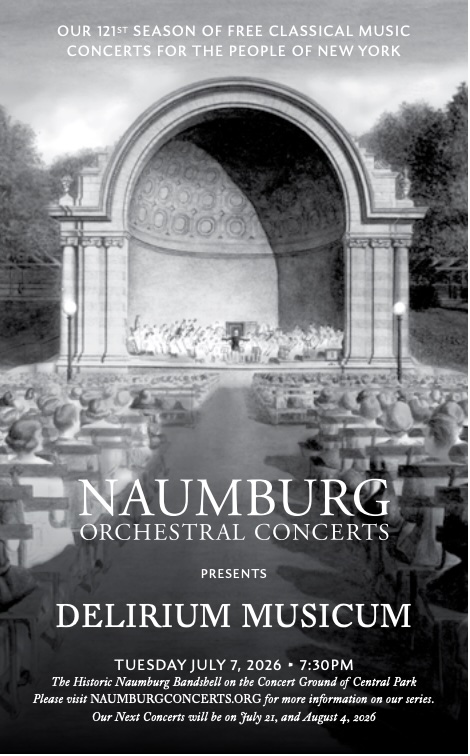
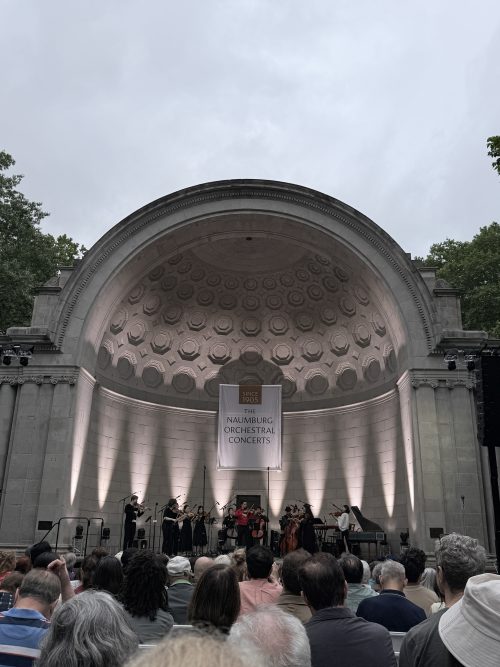
Mary Mitchell, a colleague from my days at Dow Jones, sent me an email the other day. She was inviting me to join a group of classical music fans in Central Park to experience an eclectic selection from the Los Angeles-based group, Delirium Musicum as part of the Naumburg Orchestral Concert series.
I didn’t know what to expect but I was very much looking forward to it as it had been a busy day at work and I needed to unwind. What unfolded was a beautiful selection of compositions, some original, some variations of familiar pieces, but all of them fresh and joyfully played. You can read the full program here.
You could see the orchestra was having fun and it was infectious.
Later, while listening to Erik Satie, the birds glided overhead in the dusk – seemingly dancing to the gentle, sparse melody. On the back of the program was this passage from EB White, describing the very spot where I was sitting,
Another hot night I stop off at the band concert in the Mall in Central Park. The people seated on the benches fanned out in front of the band shell are attentive, appreciative. In the trees the night wind sings, bringing leaves to life, endowing them with speech; the electric lights illuminate the green branches from the under side, translating them into a new language. On a bench directly in front of me, a boy sits with his arm around his girl; they are proud of each other and are swathed in music.
E.B. White’s Here is New York, 1949
The Naumburg Orchestral Concert series is a free concert series, perpetually funded by the late-Elkan Naumburg, a merchant banker, who established the series in 1905, “to encourage and stimulate the public’s interest in symphonic and classical music.”
Concerts are put on every summer at the Naumburg bandshell in Central Park. There are two more concerts this year (July 21st and August 4th) and I would encourage you to pack a snack, bring a friend, and enjoy the communal gathering.
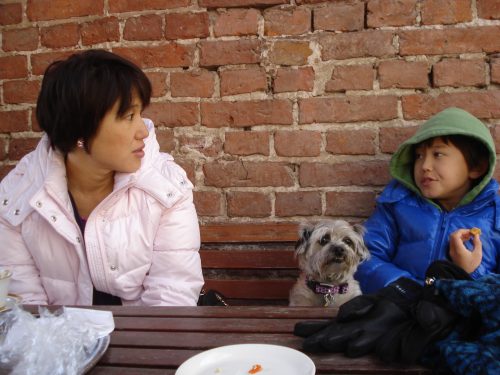
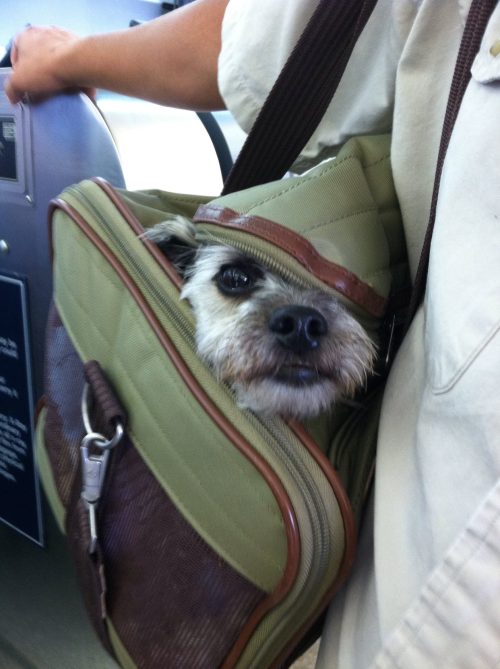
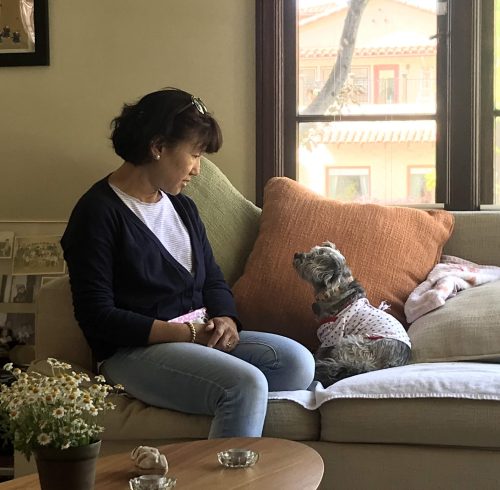
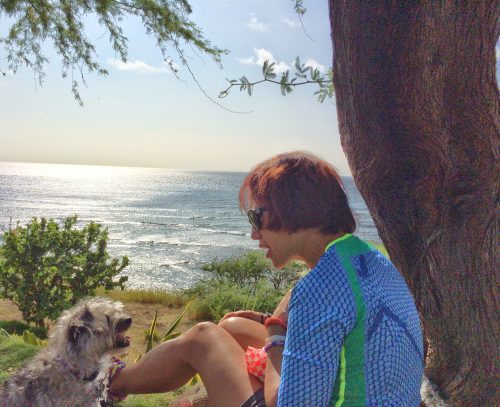
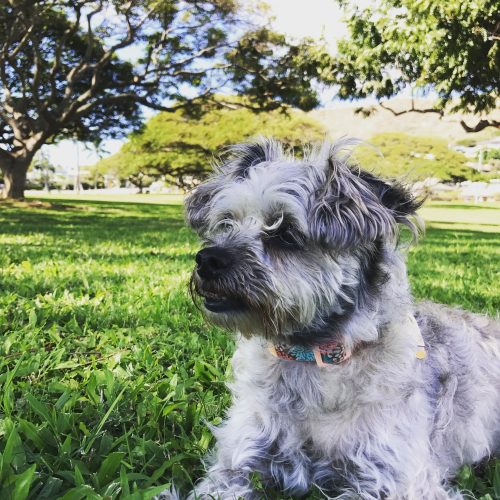
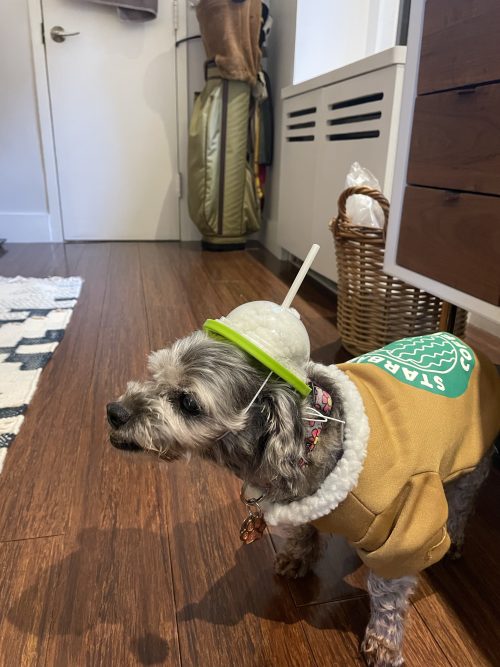
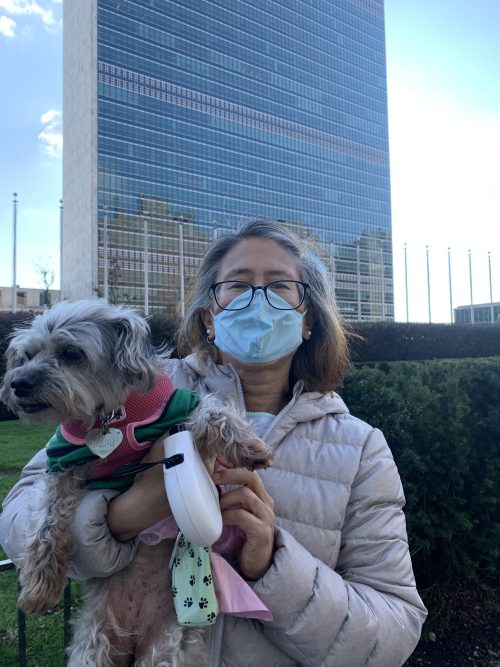
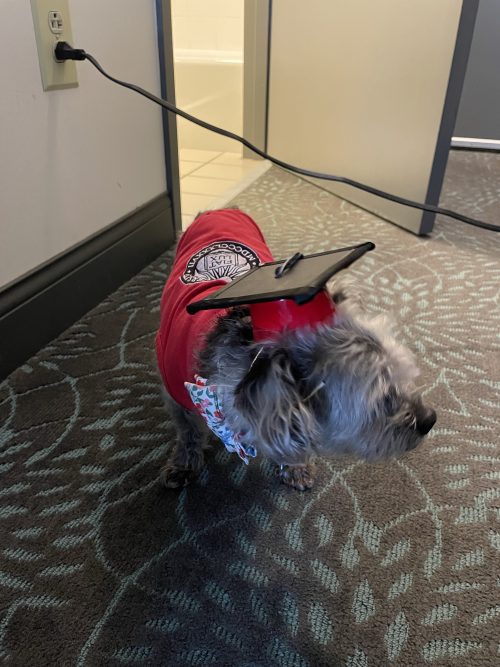
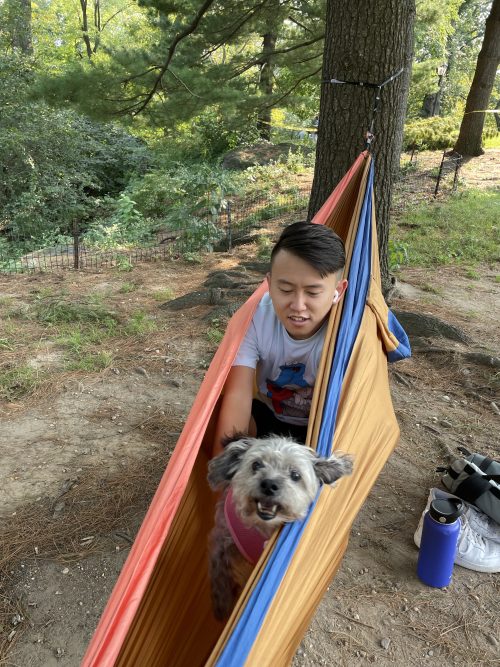
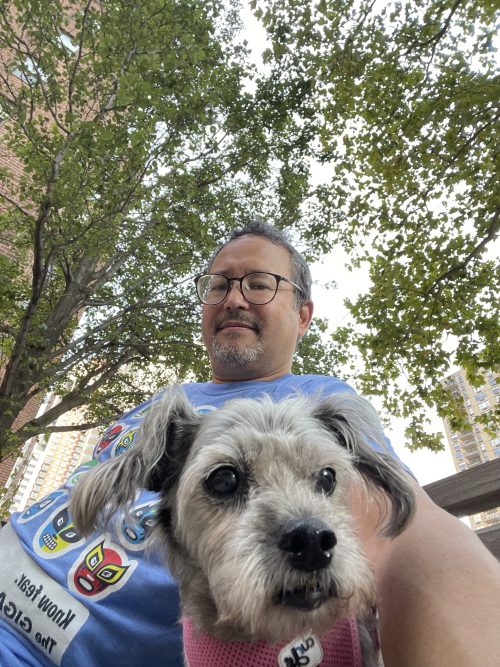
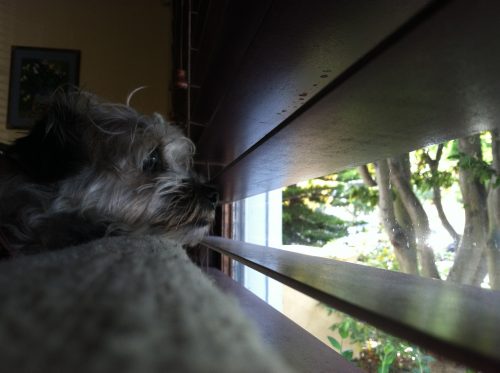
We lost Mimi last night. She would have been nineteen (!) in July and had slowed down considerably over the past six months. No pain, just a gradual fading out until she finally stopped breathing at around midnight.
Mimi has been with us since 2008 where she was thrust into Izumi’s arms at an Oakland shelter. “She belongs with you” said the lady and that was that.
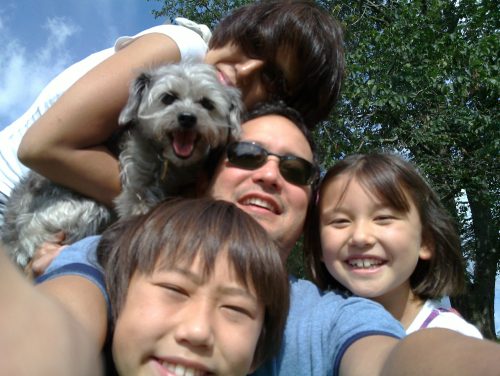
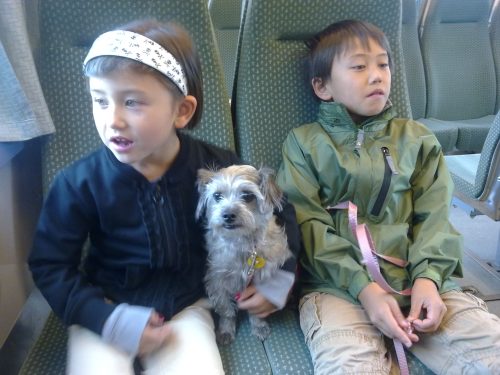
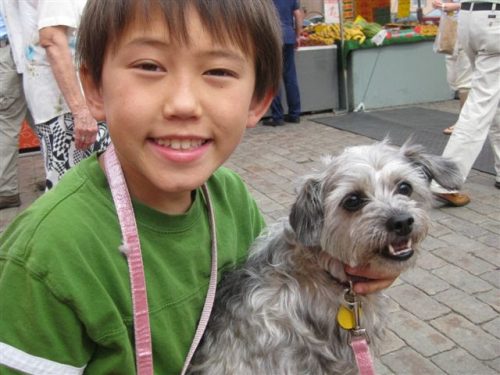
We called her Mimi (the Japanese word for ear) because of her expressive ears. She was a good dog, who lived a full life. She saw Julia and Tyler grow into adults, traveled with us all around the world (necessitating a Christmas Eve visit to the home of the top National Finnish Veterinarian authority) and literally led us up some stairs to discover our beautiful neighborhood here in NYC. Many of the friends we have here, we met through Mimi and the other dogs in the neighborhood.
We will miss her terribly but are thankful for everything she taught us and are happy to know she is now resting.
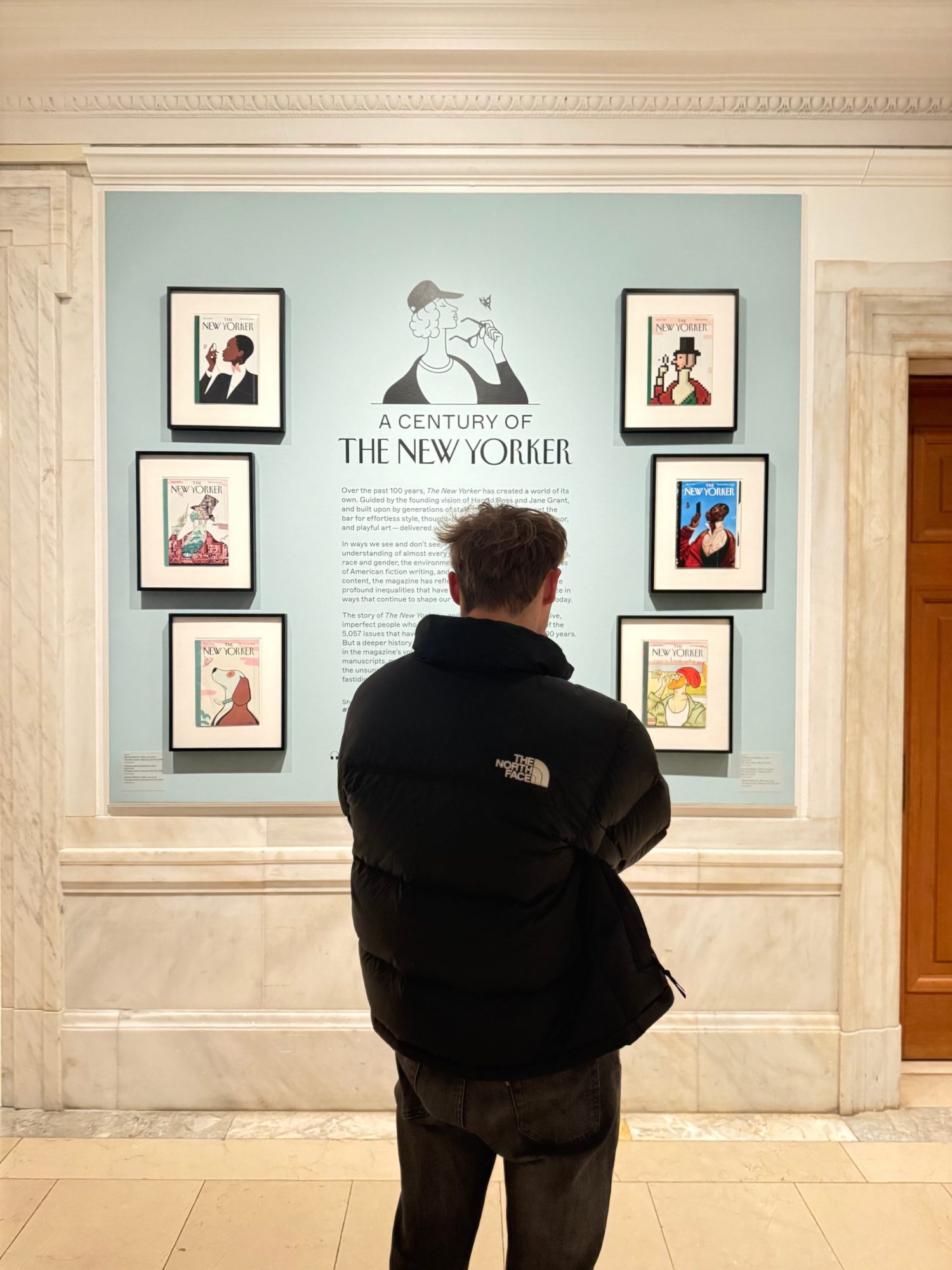
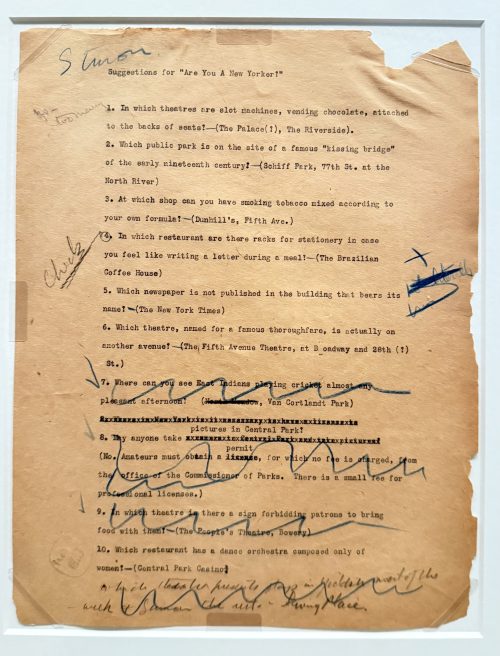
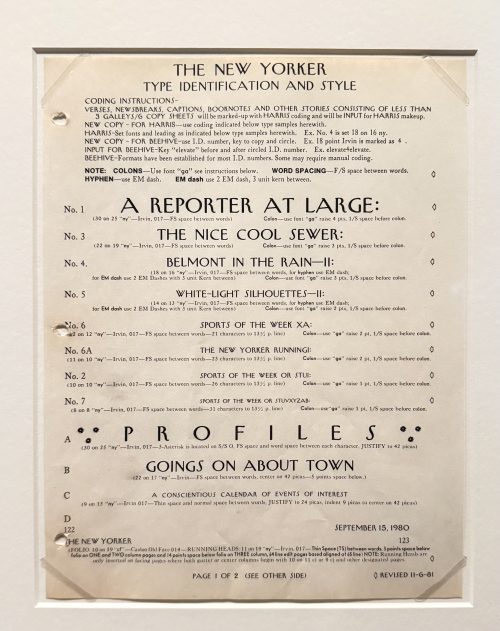
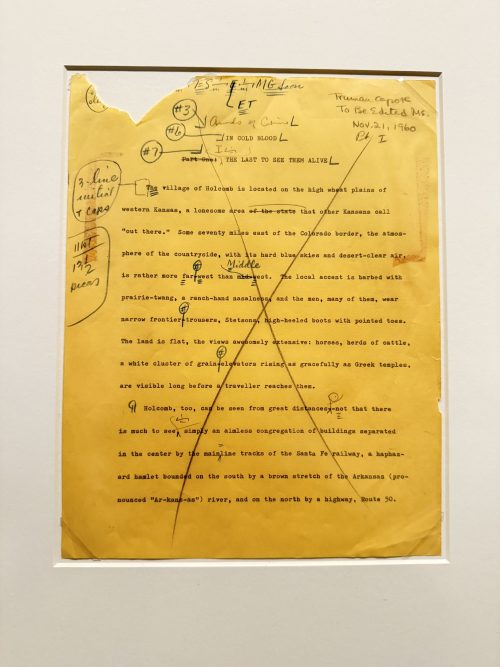
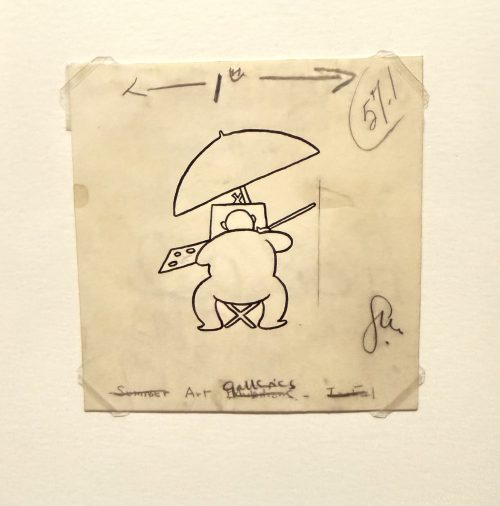
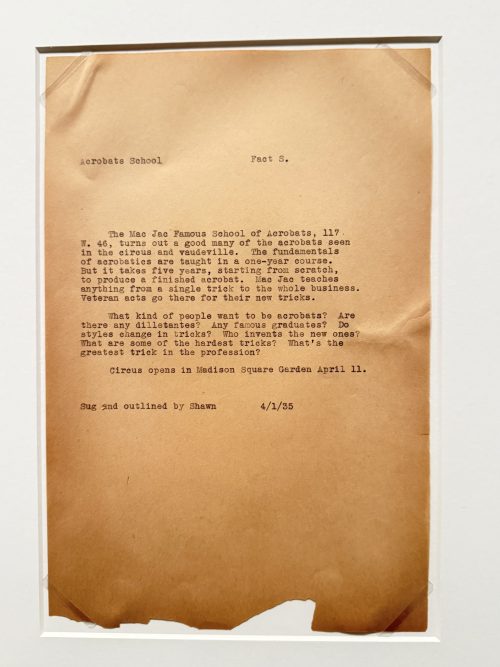
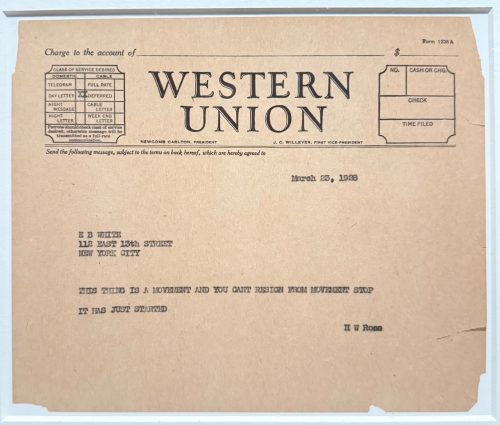
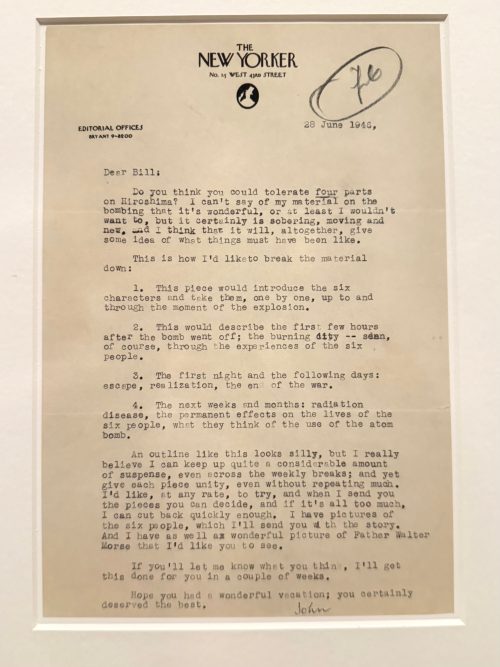
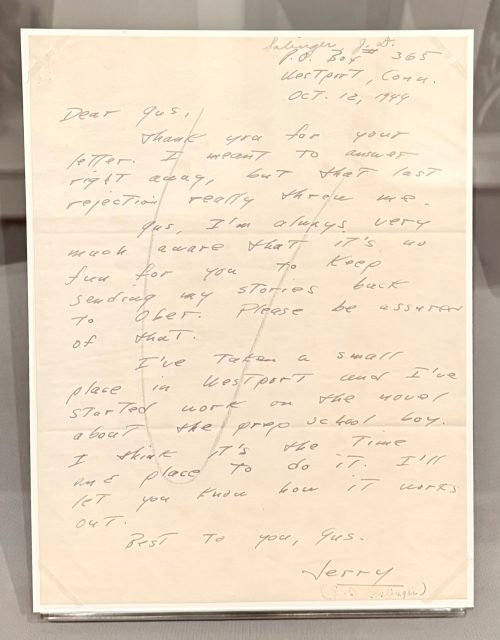
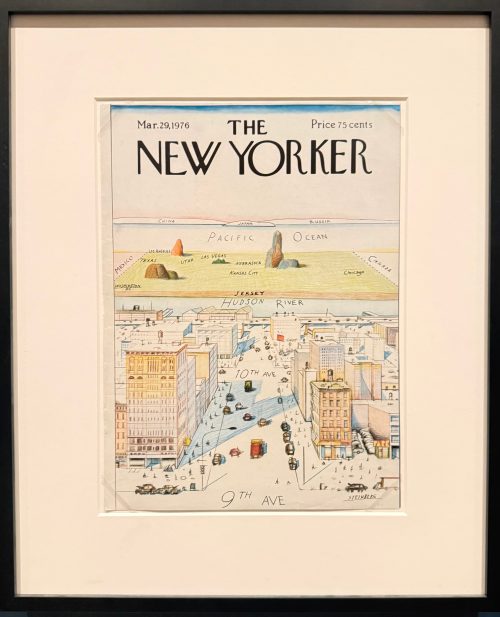
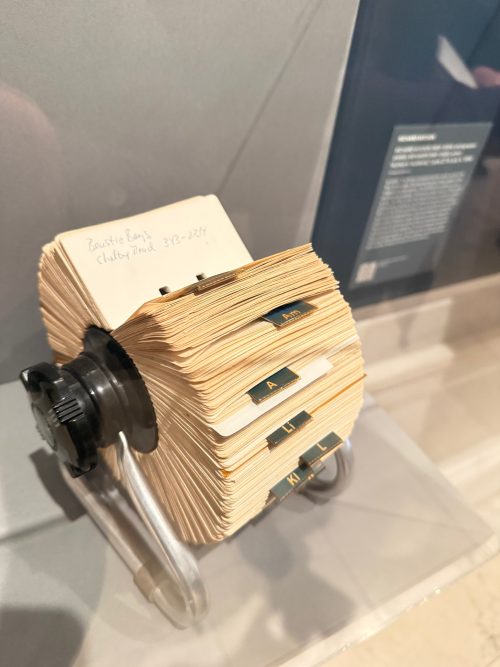
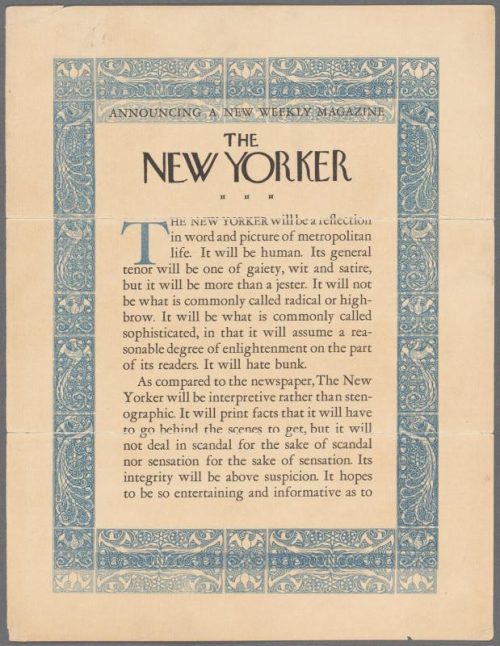
Went to visit the excellent selection of ephemera on display at the New York Public Library and picked out a few choice pieces to share.
Interview questionsFont Catalog“In Cold Blood” draft“Spot” illustrationTalk of the Town ideaTelegram to EB White“I want more money!”Oct 1942 coverPitch for “Hiroshima”“Hiroshima” issueJD Salinger letterNabokov doesn’t like editsThat famous coverTina Brown’s rolodexHarold Ross’ mission statement
A The Century of The New Yorker is free to the public on the third floor of the main Stephen A. Schwarzman Building on 5th Avenue in Manhattan and well worth the time. The exhibit closes on February 26th.
My father moved our family to Tokyo in 1978. As a local, he had a great run sharing his observations of Japanese culture from a Western perspective in a collection of of essays collected in a now out-of-print book, Home Sweet Tokyo.
Here’s his take on the Japanese culture of gift-giving.
It is curious that in a society as dedicated to sweetness and harmony as that of Japan, a tradition as potentially disruptive as the ritual giving of gifts has been allowed to flourish. People don’t talk much about the consequences of indiscriminate gift giving for fear of being seen as mean, but it is clear that in Japan gifts are launched as missiles, serving, if rightly chosen, to stun the recipient, or as least to nudge him or her off balance.
As gift giving proliferates, it tends to be taken for granted, and so to achieve its purpose of impressing the other fellow with the giver’s scarcely controllable generosity, the preferred gift has to be seen to be twice as magnificent as any sane person would deem reasonable.
In this way the ante escalates. If I give you a cheap souvenir teaspoon stamped “Shizuoka, counterpunch with a packet of fine tea. I fight back with an antique teapot; you ambush me with a round trip for two to a luxury hotel on the grounds of a Sri Lankan tea plantation. I, panicking, present you with a one-third interest in Twinings… and so on until we are both bankrupt.
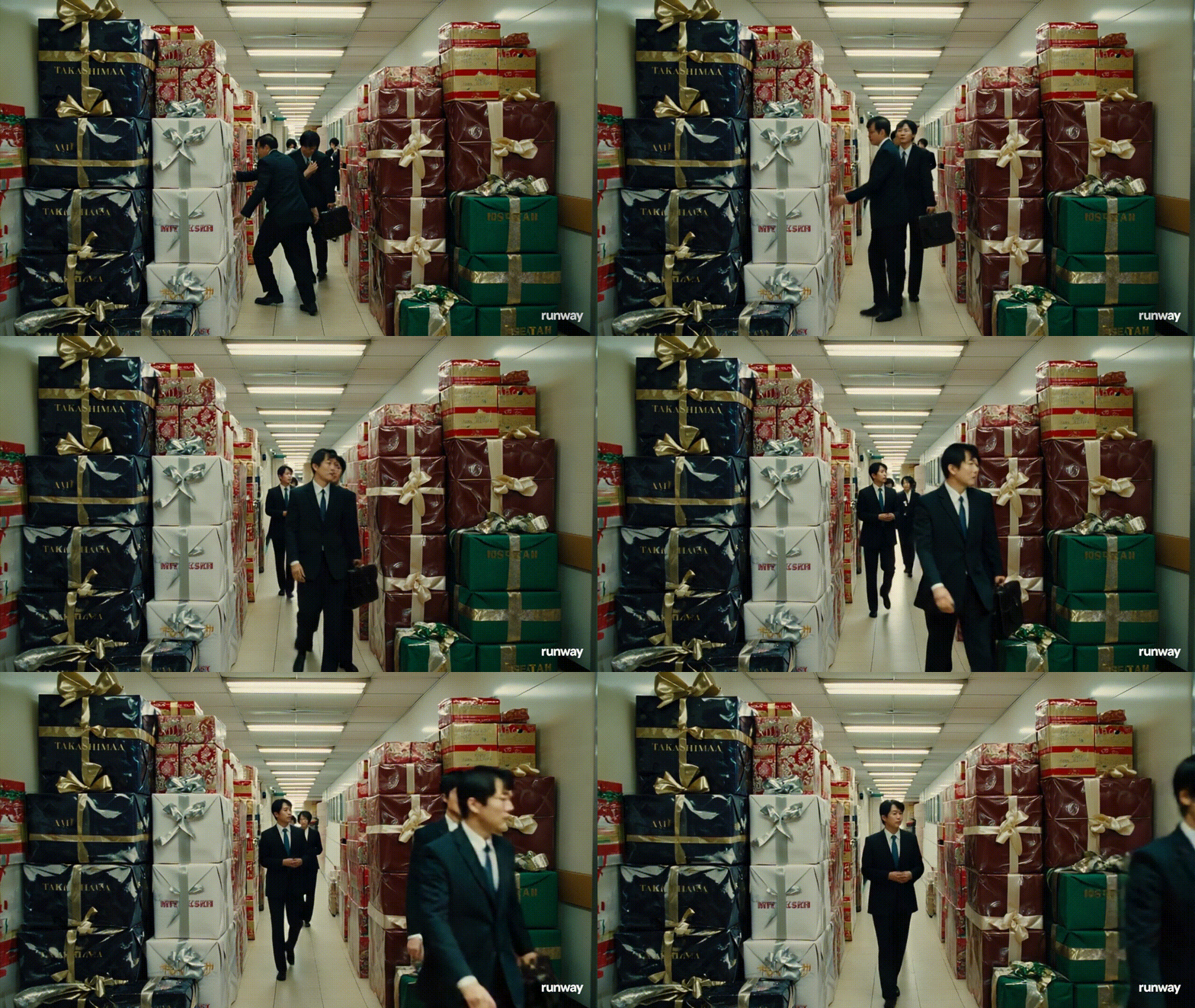
In Tokyo this annual escalation of gifts given takes place between companies who do business together: one company one year giving its client company ten cases of beer, the next twenty, the next forty, until all corridors, closets, washrooms, and space at the back of the recipient company’s garage are filled with brightly wrapped packages from Mitsukoshi Department Store. At the end of the gift-giving season, the employees of both companies thus locked in gift-giving combat must hire trucks to cart away their share of the bounty, wanted or not, to their own homes and garages.
At a higher level, the presidents of the companies involved will exchange exquisite lacquer boxes, larger ones every year, each requiring the attention of a master craftsman for several months and costing millions of yen. It is said that the hills outside Kyoto are heavily populated with subtle geniuses whose sole occupation is the crafting of fine lacquer boxes destined to be presented by the heads of Japanese industry to each other during the annual gift-giving seasons of o-chugen in the summer and o-seibo in the winter.
Escape from the gift-giving plague is impossible. On every train platform, boxes of the local specialty-pickles, bean cakes, rice cakes, fish cakes, twirligigs – are dutifully purchased by travelers (although they may only have gone overnight to Osaka to visit an aged aunt) to be taken back and presented to fellow office workers and neighbors as a gesture of their enduring concern.
The constant flow of gifts keeps the Japanese economy purring and out in front of the unsupercharged economies of nations that don’t indulge in frenzied gift giving. A good 15 percent of the revenue of the average department store is generated by gifts: boxes of bars of soap, cans of soup, tins of salad oil and pressed seaweed, matched bottles of wine and whiskey and 100-percent orange juice, and hampers of exotic foreign delicacies – a truly prodigious prodigality, as if to make up for the shameful thriftiness of the rest of the year.
Perhaps, though, this gift-giving reflex could be put to good use.
One hears that the American public continues to be concerned that they are buying more Japanese goods than Japanese consumers are buying American goods. Some Americans are evidentily itchier than ever about the trade imbalance and have convinced themselves that behind it all there lurks some great brooding conspiracy.
Would not an appropriate gift serve to ease the tension? Why don’t the Japanese people simply present the American people with a massive present, perhaps a video game or a motor scooter for everyone, or a new national railroad system (staffed by supernumerary JR railroad men), or maybe, because after all it is the thought that counts, an enormous lacquer box?
Tried something different this year, asked ChatGPT to summarize the year for me.
One benefit of having the entire archive of this blog part of OpenAI’s learning model is that it can spit back what it’s learned, not only in substance but also in tone. It’s uncanny.
Here’s how ChatGPT responded:
Absolutely — based on Ian Kennedy’s actual writing on everwas.com (which covers tech policy, AI’s impact on the open web, local NYC issues, and personal essays), a hypothetical 2025 Year-in-Review blog post from him would blend thoughtful analysis of tech trends with sharp local and cultural commentary.
Here’s how Ian Kennedy of everwas.com might write a “2025: A Year in Review” post:
2025 felt like the year the internet finally stopped pretending it was the open playground of ideas and began behaving like what it’s actually become: a contested battleground where ownership, access, and value are constantly being negotiated — not just by corporations, but by governments, communities, and the technology itself.
AI Changed the Web — But Not in the Way We Expected
At the start of the year, conversations around artificial intelligence were dominated by shiny demos and sci-fi ethics. By year’s end, the conversation shifted to who owns the data and who gets paid for it.
Policy makers, IAB task forces, and publishers around the world began framing the debate in terms of rights and compensation, not just innovation. The old model where content was indexed freely by search and repurposed by AI is now being replaced by a future where:
Content is tokenized and monetized rather than scraped for free
This wasn’t just theory — it became a reality for countless newsrooms and creators struggling to survive in an era where AI can answer queries without sending anyone to click a link.
Cloud Infrastructure vs. the Power Grid
Machine learning isn’t just a software problem. The massive energy demands of data centers pushing GPUs to their limit became a real infrastructure challenge this year. We saw:
Idle data centers waiting for electricity capacity to catch up
Real worries about quality of life when computing giants annex local power grids
The future of “compute anywhere” suddenly looks a lot more tied to where the electrons actually come from.
New York Showed the Rest of the Country
Living in this city means Local often becomes National. In 2025 New York city was a microcosm of the larger cultural and political shifts:
A mayoral election turned on cost of living and democracy reform
Community voice battled casino development bids on the East River
Neighborhood tech events and decentralized meetups flourished alongside big conference circuits
The city didn’t just make headlines — it embodied the tension between grassroots citizen engagement and centralized power.
Tech Week, Brand Conversations, and the (Un)Informed Public
2025 also saw a subtle but unmistakable shift in how technology and culture engage:
The growing success of events such as NYC Tech Week and Tech:NYC AI Demos which felt less like corporate showcases and more like community patchwork gatherings
Branding in an AI-driven world became less about identity and more about trust and permission
Conversations about Google, Perplexity, and discovery technology moved from technologist circles into mainstream debate
It’s hard to overstate how much that matters. When ordinary people begin arguing about the future of search and discovery, the underlying structure of the web itself has already changed.
Personal Notes from the Year
Beyond the geopolitical and technological, 2025 was also a year of small perspectives — hikes, travel, and moments that reveal a deeper truth about why culture still matters even when platforms shift.
Whether it was a hike near Kamakura or a rumination on a slow waterfall (ed. this is a pretty funny interpretation of this post), these personal essays reminded readers that tech is not just code — it’s lived experience.
Looking Ahead to 2026
If 2025 taught us one thing, it’s this:
The open web is not going quietly into the night — it’s being re-defined.
Access now has a price tag, and that price is up for negotiation.
The people using the technology are just as important as the companies building it.
The next year won’t be about whether the web changes — it’ll be about who gets to shape that change.
Here’s to the debates, the fights, and the small stories that make it all worth caring about.
It was one of those nights New York throws at you in midwinter, minus seventeen degrees, the kind of cold that silences everything. Pianist Gohei Nishikawa was home alone, the TV murmuring in the background, when he realized too late that he’d forgotten to lock his front door.
The sound came first, a soft rattle, the kind of noise that pulls you out of your half-attentive state. Then, before he could even reach the hallway, the door burst open. Two men shoved their way in, one an older, broad-shouldered African-American; the other, tall and wiry, maybe Latino, definitely younger. Neither had a gun. Instead, one held up a clear plastic case with a syringe inside, the kind of improvised threat that feels even more dangerous for its uncertainty.
Gohei froze, hands instinctively in the air. The younger man started sweeping through drawers and shelves, stuffing things into a bag, an iPad, wallet, whatever he could grab. The fear was real, sharp as the wind outside. But then, as the adrenaline began to settle, something unexpected rose in him, curiosity.
He had once studied to be a teacher before his life turned to music, early childhood education, educational psychology. He found himself wondering, what kind of childhood leads someone to walk into a stranger’s apartment with a syringe?
Against every instinct of self-preservation, he asked.
“Can I ask you something?”
The younger man barked back, “Shut up!” His voice was rough, not just angry but wounded. Gohei apologized. “I was just wondering what kind of childhood you had.”
That question hung in the air. The man froze, then finally said, almost quietly,
“You know pain?”
“What kind of pain?”
“I was four,” the man said. “My real mom used to beat me. Then I got put in foster care. My parents left me. I was homeless. You know that kind of pain?”
Gohei, who’d spent years teaching four- and five-year-olds, felt tears sting his eyes. “You’ve been through a lot,” he said softly. “Take whatever you need.”
They did, even started to haul out the TV. But watching their backs, he felt something else: not fear, but a strange tenderness. If that’s the life they’ve lived, he thought, maybe this is the only way they know to keep living.
He surprised himself again:
“Can I give you a hug?”
“Don’t come closer!” they shouted.
Then the older man, the one holding the syringe, asked,
“You Japanese?”
“Yes,” Gohei said.
“I like Japanese people,” the man said gruffly, “You all got a kind culture.”
Something about that moment — there, with his hands still raised — felt absurd and profound at once. Complimented on his culture by the man robbing him. So very New York.
And so, in perfect Japanese fashion, he made an offer.
“I have some green tea from Japan. Would you like to try it?”
To his shock, they both said yes.
He boiled water, his hands trembling so badly the kettle clattered, and brought out some rice crackers. When they smiled and said thank you, he found himself laughing too. They talked. And kept talking. For eight hours.
At some point, they noticed a poster on his wall of a Carnegie Hall performance.
“You played there?” “In the small hall.” “What’s that? There’s a small one?”
He explained, and the older man admitted he’d never been inside a concert hall, only ever seen one from the outside. The younger one said quietly, “It’s my birthday today. Play something.”
So Gohei sat down at his piano and played Happy Birthday. The man cried.
“No one’s ever played for me before,” he said.
Gohei kept playing — a full hour of impromptu recital in the dead of night for two men who’d broken into his home. When he finished, he realized it was still below freezing outside.
“You can’t go out there like that,” he said. “Why not take a hot bath first.”
That’s when the miracle happened. The two robbers, noticing his broken heater, started fixing it. Then they repaired a loose window latch, warning him, half-joking, “A thief could get in through this!”
When they finally left, they hugged him, their idea this time. The older man looked him in the eye and said,
“Yo — lock your damn door next time.”
They made two promises that night: He wouldn’t call the police, and they’d find honest work.
“If I ever get to play in Carnegie’s main hall,” Gohei said, “I’ll invite you both as VIP guests.”
They exchanged phone numbers.
A year passed. One morning, Gohei’s phone lit up with a message:
“Am I still invited?”
The sender’s name read simply: Dorobō — “Thief.”
He’d seen Gohei’s Christmas concert on TV — a solo performance at Carnegie Hall’s main stage.
“Congratulations,” the message said. “I’m still waiting for my invitation.”
Gohei called the concert organizer, explained everything. The response was pure New York pragmatism:
“You made a promise. Keep it.”
And so, he did. The two men came, wearing suits. They sat in the same box seats once reserved for presidents and royalty. Afterward, they sent a long email:
“Thank you. I’ve been working in cleaning since then, saving money. I finally bought a used car, Made in Japan. I wanted to show you.”
Gohei laughs now when he tells the story. People ask if he made it up. He didn’t.
“I don’t know if it was the right thing to do,” he says. “But I learned that night — if you try to understand someone instead of hating them, things somehow work out.”
Later, one of the men told him he was the first person ever to ask about their childhood. The first who didn’t shut him out.
Somewhere in New Jersey, one of those men, maybe both, is still out there, driving a secondhand Japanese car, cleaning office buildings. And every once in a while, a pianist in New York remembers a winter night when a robbery turned into something like grace.
This post is a translated transcription of an Instagram reel excerpt from an story told by pianist Gohei Nishikawa. I used Summary AI to transcribe the Japanese text and Chat GPT to translate the dialog into English and transform it into a blog post “in the style of Ian Kennedy’s blog everwas.com” which I lightly edited (mostly removing the em-dashes).
tl;dr – Applications will be accepted on June 27th. The decision to approve applications will made in September by the six-member Community Advisory Committee nominated by the current administration. Those currently up for election will not be sworn in until January so they may not have influence over these important decisions but their position will be important nonetheless.
There is a 6.7 acre swampy lot in between Tudor City and East River. It’s the largest empty lot in Manhattan and the site of a former ConEd power plant.
The developer, The Soloviev Group, bought the plot (quaintly known as the First Avenue Mud Pit) from ConEd back in 2000 for $680 million.
A 2023 plan called for an extravagant design which featured a massive Ferris wheel. Later, perhaps responding to local resistance and derision, the plans were scaled back, nixing the Ferris wheel but keeping the garish, gold-mirrored building looking down on the United Nations.
To say I’m concerned is an understatement. I live in Tudor City, a rare gem of a neighborhood, that, despite being only a few blocks from Grand Central, is a peaceful eddy from the rush of downtown Manhattan. This is due to the dual dead-end streets of 41st and 43rd that do not punch through to First Avenue. This keeps traffic to a lazy minimum. It’s wonderfully quiet here with two small parks that were designated a Historic District by the Landmarks Preservation Commission in 1988.
What do those running for City Council say?
If you live in the area, you know all of the above and know that the democratic primary election is on June 24th. As I was researching each candidate running for City Council District 4, which has jurisdiction of the area, I was looking for any statement on the candidate’s website about their position on the casino. None of them had a position so I took it upon myself to email each one and share responses below to help my neighbors cast their ballots.
First, here’s what I asked:
Thank you for running for City Council. I’m trying to help residents of Tudor City understand your position on an issue very important to our community.
Can you share your position on the proposed Freedom Plaza Casino proposal on the East Side next to the UN? I live in Tudor City and am not a fan of having a casino in my neighborhood. What can you do to arrive at a compromise that will prevent a casino in our neighborhood while also allowing the Soloviev Group a return on their investment?
Here are the replies I have received, updated in the order received;
I appreciate your question and your thoughtful take on the issue. I am opposed to the casino. My background is in housing policy and when Borough President Mark Levine commissioned a study in 2022 of all the locations in Manhattan that could accommodate new housing, the Soloviev site accounted for 86% of the possible new residential space on the East Side. There are just not that many large sites in this part of the City, and we need to take opportunities for reasonably-scaled apartment buildings when we can get them. I think it would be a waste to lose that opportunity to something like a casino in a residential neighborhood. I am not insensitive to the Soloviev family’s need to make a return on their investment, and would love to work with them and the City Planning Commission to put together a plan for a residential development that includes public open green space and homes serving people at different income levels at a scale that fits the rest of the neighborhood. It may not have as large a proportion of “affordable” housing as I might like, but there could certainly be some and it would be a viable use for the property that would meet their business’s needs without a disruptive gambling license.
I’m listening carefully to the community and have heard a number of concerns that I take very seriously. Should this issue come before me, I’d want to hear from my constituents about the specific proposal and follow their lead. But I can tell you the feedback I’m hearing right now from voters is one of deep skepticism that a casino in Midtown East is in the best interest of this community. And I’m running to be the voice of the community.
That said, I want to be very honest with you that the City Council Member will likely have no control over this decision other than being a community advocate. This is going to be decided at the state level and the City Council will not vote on the project unless it ends up having an aspect of it that needs a variance or change in zoning. It is my understanding that the current proposal is “as of right,” so the City Council will not weigh in.
I am against the proposed casino at Freedom Plaza. Our community is deeply in need of affordable housing, and green spaces. I’d like to prioritize investment in those areas over a casino in Manhattan.
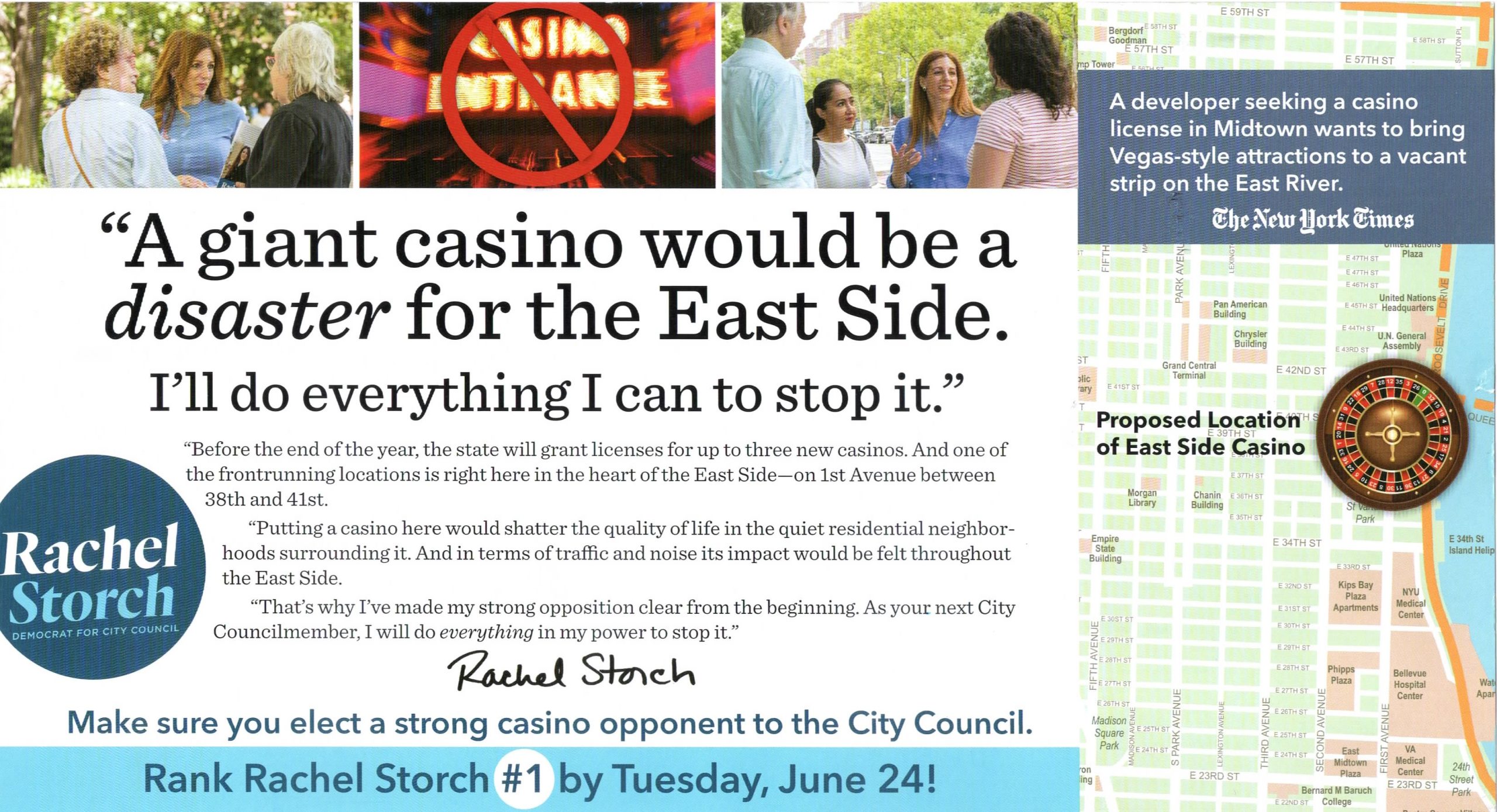
All residents in the neighborhood received the flyer below and Rachel called me personally to discuss my concerns stating the area could be put to much better use for housing, open space, and expansion of the green way.
Mailer sent to the neighborhood is pretty clearly against the casino.
I am against the casino but would be more than willing to at least view any proposal which would be beneficial for the community. So far nothing has been submitted and the Soloviev Group refuses to compromise on the casino.
No reply from candidate Faith Bondy.
Thanks to Vanessa Aronson, I now know that it’s really Keith Powers, the current District 4 City Council Member, that is in a position to push back on the Freedom Plaza casino project at this stage. He has not, pushing the final decision to the Community Advisory Committee that will be put together to asses community support.
The six-member Community Advisory Committee (CAC) needs to approve the license by a two thirds majority. The CAC members will be appointed soon after June 27th which is when applications for licenses are submitted.
CACs must vote on their respective project by September 30, 2025. Those Applicants approved by their CAC will then submit supplemental application material – including a proposed tax rate – to the Board for evaluation and consideration.
The Board expects to make decisions by December 1, 2025, followed by Commission licensure by December 31, 2025. This ensures that New York State will collect the already-booked casino license fee(s) ahead of schedule.
Watching for who is appointed to our district’s CAC in the next few weeks and attending their open meetings and hearings is key. Watch the Gaming Facility Location Board page for updates.
But input from the next District City Councilmember and Manhattan Borough president will be important. Powers debated with his opponents on May 30th and the casino issue came up right as things got started. Holyman-Sigal came down firmly against Powers deferred taking a side and Sun seemed to indicate he welcomes the potential influx of funding.
15 years ago a friend asked me for tips on what to do in Tokyo. I’ve updated the post a few times with new information but never shared anything about where to stay and what to eat so here’s text lifted from a long message to another friend.
Where to Stay
Old Tokyo
I like Yanaka in eastern Tokyo. This area was not bombed during the war so many of the old buildings and temples remain. I used to live there and enjoyed having good access to downtown but still retreat to a neighborhood when you want to decompress. For visitors, it’s a more authentic Japanese experience than the hustle, bustle and glitz of Ginza or Shibuya.
I recently went back to visit and now it’s been rediscovered as a nostalgic neighborhood and has transformed a bit like Williamsburg in New York.
There’s a family-run inn in the neighborhood that’s still there. I’ve never stayed there but imagine it’s a bit like a backpacking experience. You’ll definitely meet other travelers that might be fun to hang out if you’re traveling solo.
When I worked at SmartNews and traveled to Tokyo every couple of months, I would stay at the Shibuya Dormy Inn. The rooms are tiny but they have a large shared bath & sauna and the breakfast buffet is a good deal. Location-wise you’ll be a 15-minute walk from Shibuya station so if you go out late, it’s a cheap cab ride home. Stay here if you want to be in the thick of it. Pro-tip, ask for a room away from the train tracks which run right next to the hotel.
Tokyo is like NYC in that there is anything you want and the baseline quality isn’t bad. If you know what you want and plan ahead, you will have access to some truly unique dining experiences. Off the top of my head, here are some places to try.
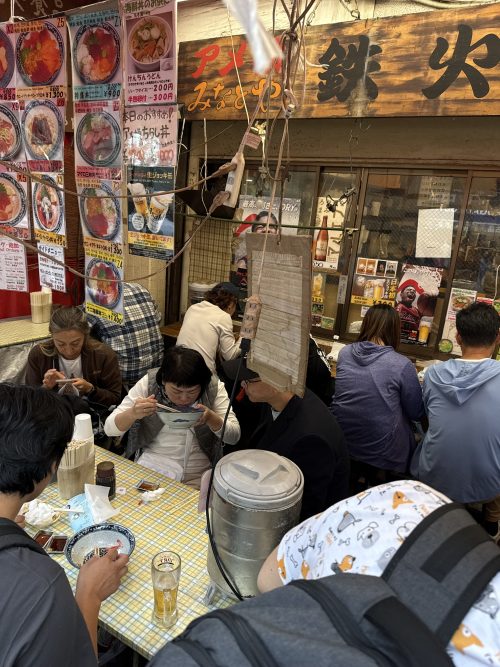
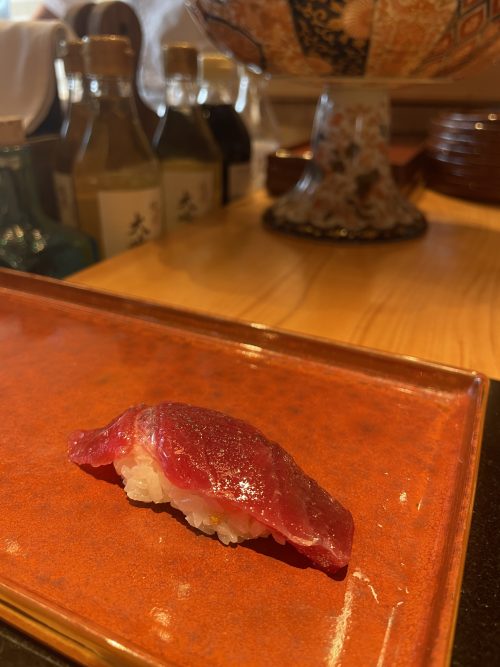
Minatoya – cheap sushi-don under the tracks. The whole neighborhood was where the black market was after the war and still is a neighborhood full of niche shops selling their wares at a discount. After visiting the rabbit warren of shops, be sure to stop by here for your requisite $8 lunch.
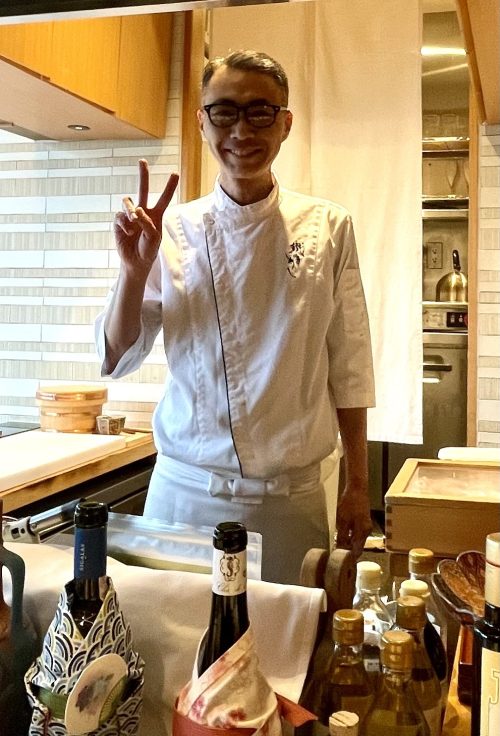
Bayside Sakura Olion-sushi – if you’re looking for a different take on sushi, this place pairs olive oils and salts with their fish to serve a somewhat hybrid meal. The chef trained in Southern Europe (Spain I think) so came to appreciate the Mediterranean way of eating and fused that with traditional Japanese sushi. High end eating but well worth it.
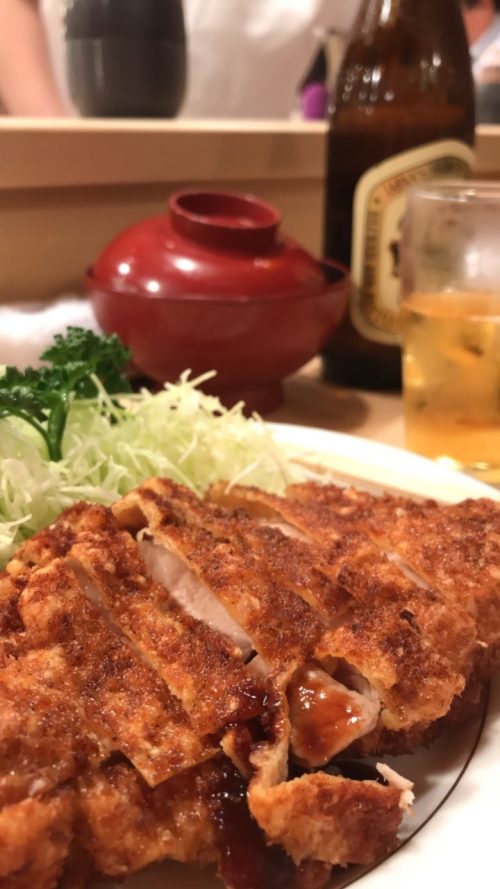
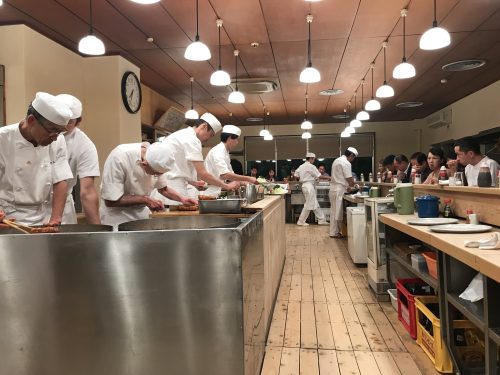
Tonki – Fried pork cutlet is not for everyone but if you want to try the best Tonkatsu in the world, this is the spot. The place is immaculate and they run people through there like it’s a factory. You’ll get to sit at the counter and watch the open kitchen work in quiet efficiency. The rice is fluffy, the sliced cabbage is sweet and the roast pork done to perfection. Truly a temple to the pork cutlet.
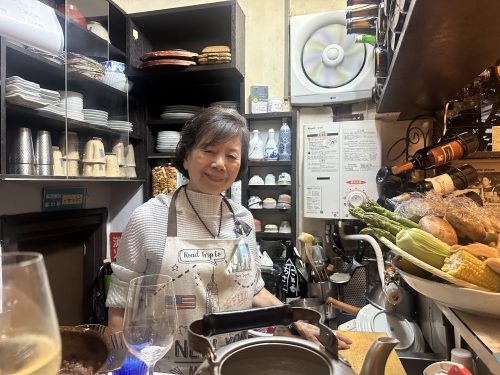
Enoki – Tiny Japanese bar that seats 6 in the shadow of the skyscrapers of Shibuya. I have been going here since the 80s (Enoki was in my post 15 years ago) so Chizuru, the proprietor has know me since I was in my twenties. It’s super hard to get in so if you want to go, call a day or two ahead.
Tokyo is a city that gives more than it takes. If you go in with an unstructured schedule with only one or two things to do each day and leave yourself plenty of time to poke around surrounding neighborhoods and open yourself to sidebar explorations, you will be amazed at what you’ll find.
Be observant, marvel at the intricate designs on the manhole covers, see a line of folks at a sweet treat shop? Queue up and try it out. Ask questions, have conversations, connect with humanity and celebrate what brings us together.
I was just back there last month to visit my parents to celebrate my dad’s 90th. While I spent most of my time with my parents, I did manage a couple of focused days out and caught a whiff of that Tokyo magic. Here’s what I did.
It’s been said that Tokyo is Disneyland for adults. If you approach the city with a beginner’s mind the city will reward you many times over.
I’m back in Tokyo visiting with my parents (who have been living here since 1978!) and while I spent most of my time visiting with them, I did go out a few days just to poke around. Here’s what happened on one of those days.
On Tyler’s recommendation, I went to the Tokyo City Flea Market, held on Saturday from 9 – 2 pm down by the Kawasaki horse racing track. Like most large flea markets it was mostly vintage clothing and collectables but there was some cool finds such this game my sister and I used to play.
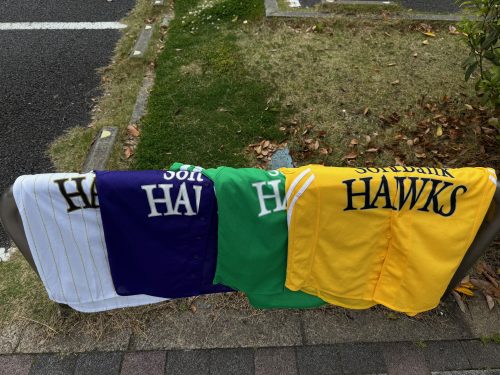
I also found a guy selling cheap, Japanese baseball jerseys and managed to buy an assortment of Softbank Hawks jerseys for the family. We can wear them at a Mets game in honor of Kodai Senga, their new Japanese pitcher who used to play for the Hawks
500 JPY ($3.50) each, not a bad haul!
I then went to Akihabara to check out the latest gadgets. I spent some time in the main Bic Camera branch playing Japanese Go against a robot. I lost all five times.
I then walked up to Okachimachi to wander around the warren of shops tucked in under the tracks. This area was a huge black market region after the war and it retains the feeling of a place where you can strike a bargin. I visited Minatoya, a great place for a donburi bowl topped with sushi.
1,200 JPY ($8.50) for the lot (yes, including the beer!)
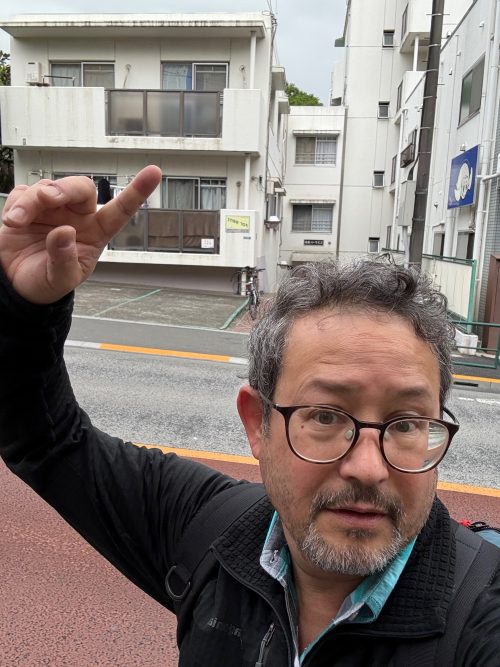
From there I punched through Ueno park to my old neighborhood in Yanaka to visit my old apartment.
Doesn’t look like much but Nezu/Nippori is one of my favorite neighborhoods in Tokyo
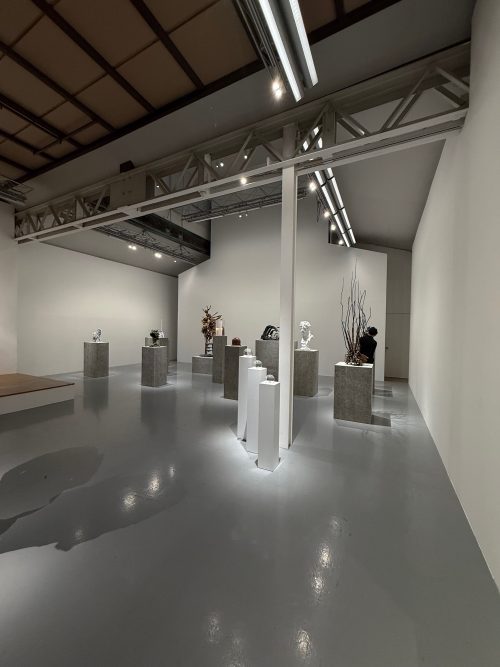
Around the corner is SCAI the Bathhouse. True story, when I just moved to the neighborhood, I went there when it was still a public bathhouse. As I entered, everyone was singing songs and greeting each others as if in a large family reunion. The atmosphere was unusually jovial for a public bath which is usually a reflective place where one goes to scrub down and soak up to your chin while gazing at Mount Fuji depicted on the tile wall. When I asked the proprietor if it’s usually this festive, she replied that that day was the last day in their 165-year existence as they were converting the structure to an art gallery!
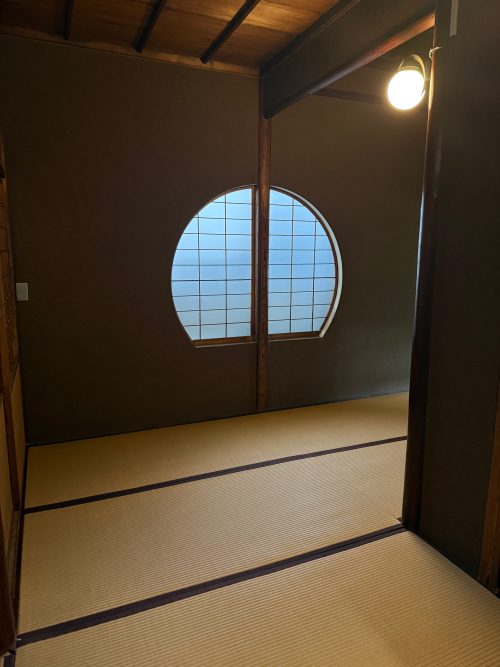
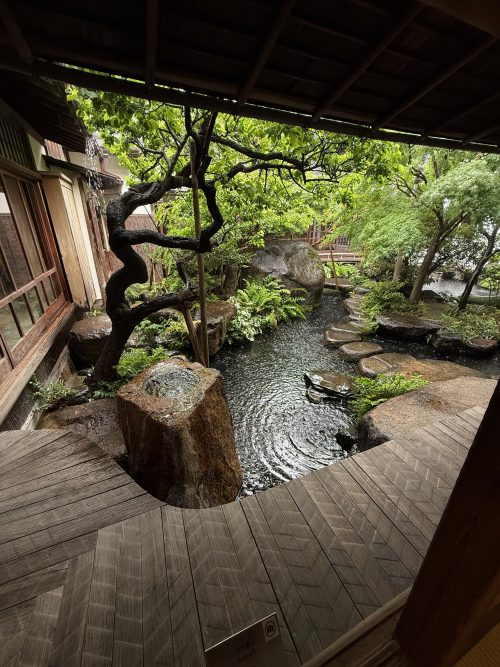
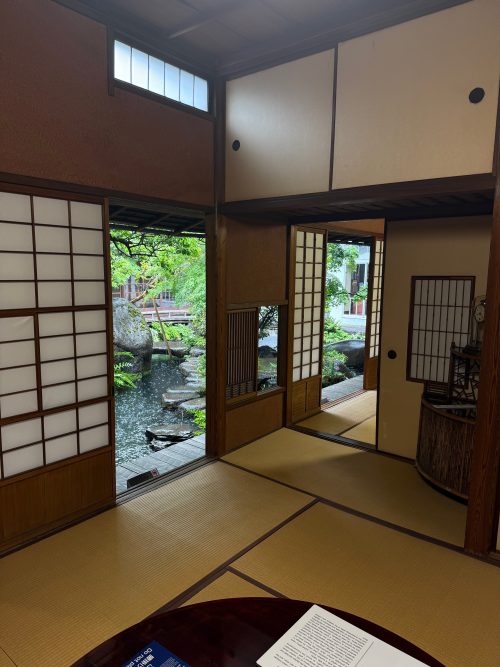
As I was walking the old neighborhood it started to rain so I ducked into another neighborhood favorite, the Asakura Museum. The home is unique in style with a wonderful blend of early 20th century Eastern and Western styles. I would often go just to gaze out on the beautiful garden and it’s amazing carp. The rain sprinkling drops on the water made it even more magical.
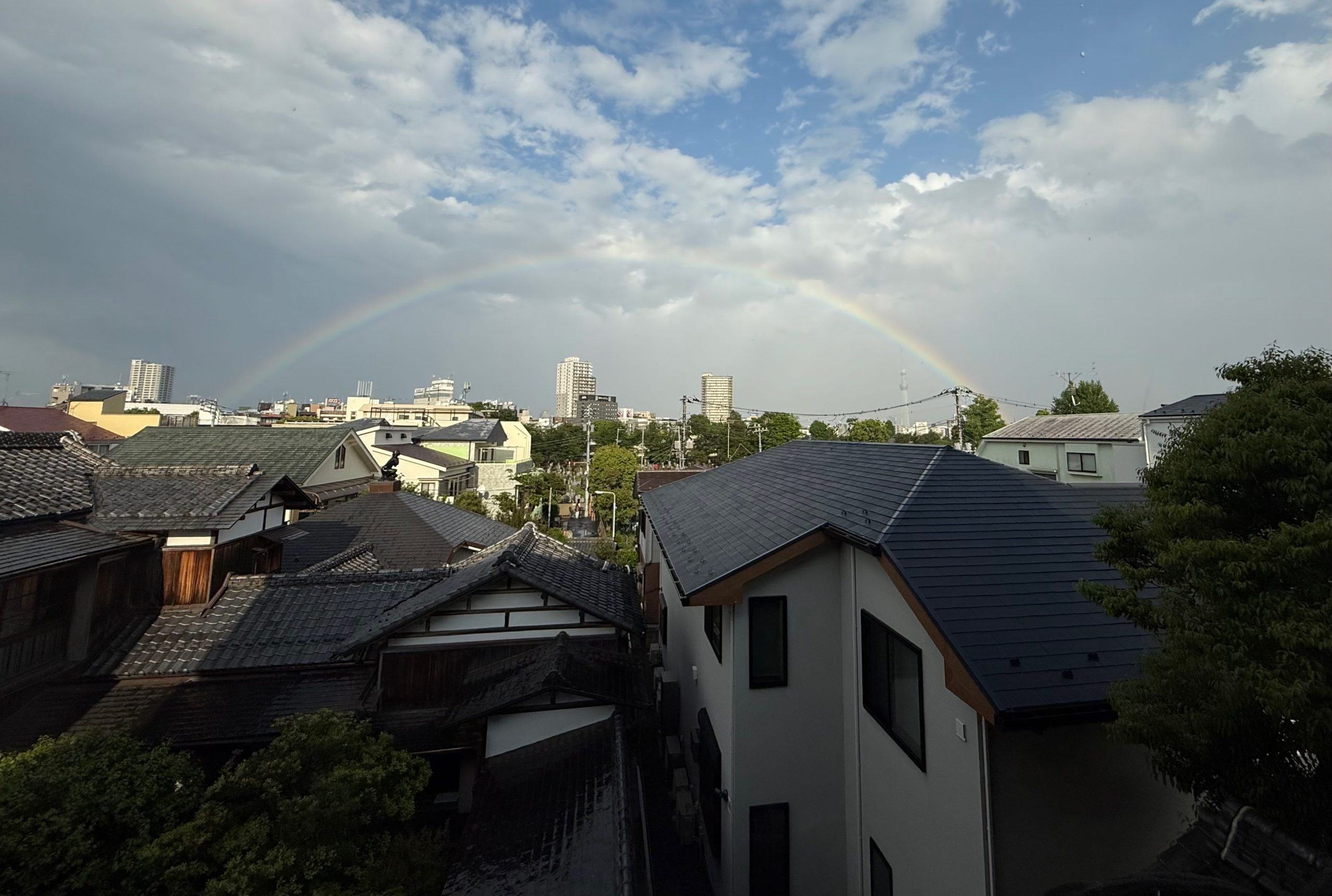
Later the rain cleared up and the ladies who run the museum let us know excitedly that we should make our way to the top floor to view the rainbow.
If you look carefully, you’ll see the Akasaka Sky Tree near the right base of the rainbow.
Next, I went to meet my sister at the Yanaka Ginza shopping street where we had a nice cup of coffee and then headed to meet my friend Yuji and his lovely wife Yumi at a local beer hall. Yuji and I met at a Grateful Dead concert in Oakland and when I moved to Japan he introduced me to the surfing culture as well as the downtown community spirit of shitamachi in the working class neighborhoods of Eastern Tokyo. After sampling their beer and light snacks, we headed to Asakusa for some monja, a local dish cooked over a teppan stove with copious amounts of beer and chu-hai.
Yuji makes the monja
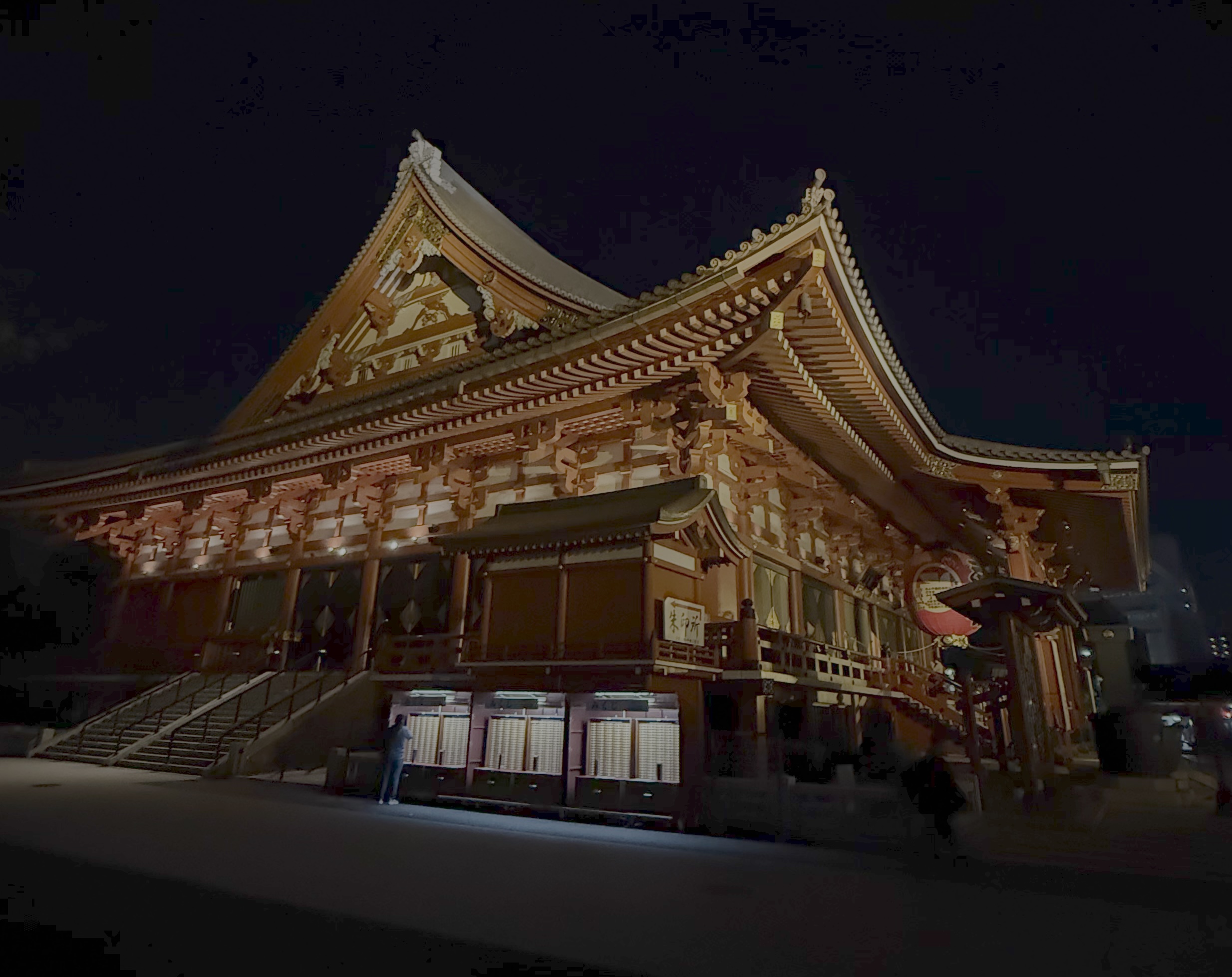
By then it was getting late so we walked through the Sensoji temple grounds which were mostly empty but lit up majestically.
Sensoji at night
By the time my sister and I got back to Hiyoshi station where my parents live, we had just enough time to grab “one more drink” so we looked for bar on Google Maps and were drawn to a place called Valhalla.
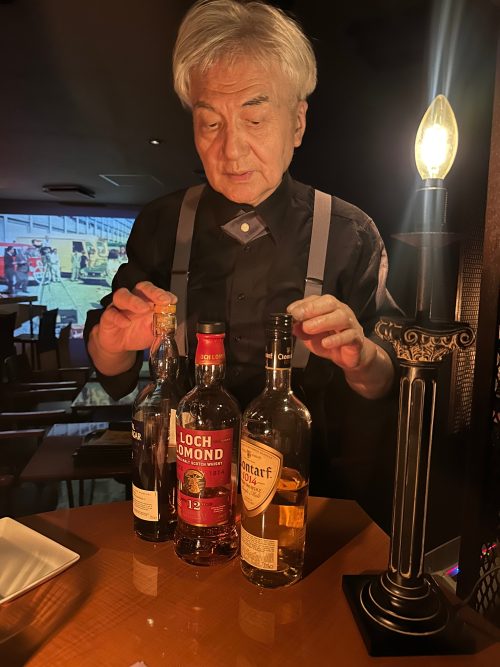
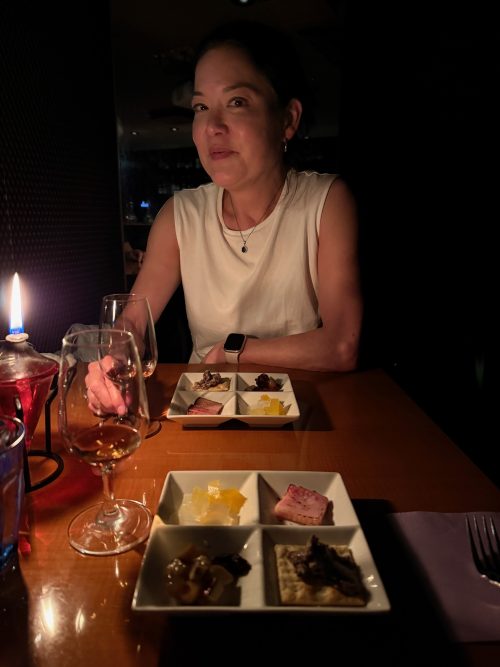
We stepped in timidly as it was dark and there was no one else in the place. Pink Floyd was playing gently on the hi-fi and the proprietor warmly welcomed us and motioned us to sit down. He brought an oil candle and the menu and we flipped around looking for the beer or chu-hai selections.
When he brought over light snacks and laid out a collection of cigars we asked what kind of bar we were in. It was clear from the many pages of single malt whiskeys listed, this was a place for serious drinking. The master said the cigars were for people who enjoy a smoke with their whiskey. As he was explaining all this, he frowned as my sister flipped to the cocktails page. When I asked for something “on the rocks” he looked at me as if I had asked for a mug of mulled wine. We were gently guided to the topic at hand. Were locked in, whiskey it will be.
The master instructsMy sister not sure what she’s in for
For the next hour, my sister and I were given a master class on single malts. Their history, the varieties, some of the distillers, and, most importantly, how to appreciate and drink properly. He wielded the sipping glasses as deftly as a magician. Vigorously swirling the liquor in the glass, the master instructed us to jam our nose in and take a deep inhale before taking a single drop. Notes of peanuts I think. Then he had us take a very small sip and then to smell again and note how the “nose” had changed. He later dipped a fork in some water and let a single drop fall into the whiskey and go through the whole process again. Completely different once again.
We were both amazed how a single drop of water could alter the entire experience. I could understand how he would be offended by anyone who would plunk an entire ice cube into his precious elixir!
After a second round of a different whiskey (we thought he’d cry if we left after only one) it was time to call it a night. Mie and I both laughed how, only in Tokyo, you could go from wolfing down monja and beers in shitamachi to finishing the night with an instructive tour of finer points of Scottish single malts. All completely unplanned and completely serendipitous.
When in Japan, things work out best if you surrender to the flow.
Cookie Consent
We use cookies to improve your experience on our site. By using our site, you consent to cookies.
Contains information related to marketing campaigns of the user. These are shared with Google AdWords / Google Ads when the Google Ads and Google Analytics accounts are linked together.
90 days
__utma
ID used to identify users and sessions
2 years after last activity
__utmt
Used to monitor number of Google Analytics server requests
10 minutes
__utmb
Used to distinguish new sessions and visits. This cookie is set when the GA.js javascript library is loaded and there is no existing __utmb cookie. The cookie is updated every time data is sent to the Google Analytics server.
30 minutes after last activity
__utmc
Used only with old Urchin versions of Google Analytics and not with GA.js. Was used to distinguish between new sessions and visits at the end of a session.
End of session (browser)
__utmz
Contains information about the traffic source or campaign that directed user to the website. The cookie is set when the GA.js javascript is loaded and updated when data is sent to the Google Anaytics server
6 months after last activity
__utmv
Contains custom information set by the web developer via the _setCustomVar method in Google Analytics. This cookie is updated every time new data is sent to the Google Analytics server.
2 years after last activity
__utmx
Used to determine whether a user is included in an A / B or Multivariate test.
18 months
_ga
ID used to identify users
2 years
_gali
Used by Google Analytics to determine which links on a page are being clicked
30 seconds
_ga_
ID used to identify users
2 years
_gid
ID used to identify users for 24 hours after last activity
24 hours
_gat
Used to monitor number of Google Analytics server requests when using Google Tag Manager
1 minute
You can find more information in our About Me and .